 Evy Coe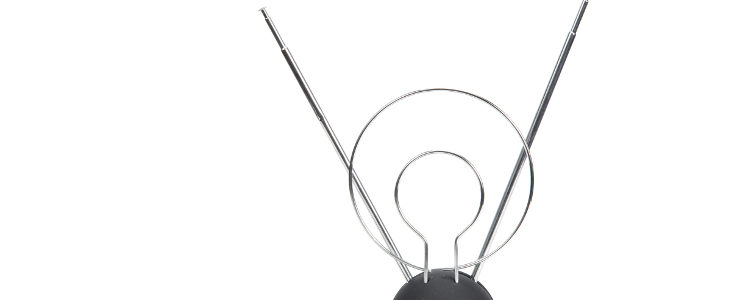
TV aerials have been a commodity since the 1920s, when televisions were first made commercially available. Although nowadays there are other ways of picking up TV channels, aerials remain necessary and very much in demand.
Aerials work by receiving signals through the air and transmitting them to the TV they’re connected to. There are lots of different types around, like indoor, outdoor and multi-directional aerials. Indoor aerials are very common and are well worth considering if you need to invest in a new aerial.
To help you work out if an indoor aerial would be a good purchase for you, we’ve come up with a list of their advantages and disadvantages.
Advantages of indoor aerials
Low cost
If you want to use an indoor aerial, you need to start off by buying it. But after this an indoor aerial is basically free. You can install most indoor aerials yourself and won’t need to pay a subscription fee, like cable and satellite users. There are now lots of channels that you can pick up using an aerial, so they’re well worth the little you’ll pay.
Versatile
Another great thing about indoor aerials is that they’re versatile. You can put them pretty much anywhere – on top of the TV, on a shelf or mounted on a wall. Plus, they can work well in both rural and urban areas.
Disadvantages of indoor aerials
Less channel choice
Unfortunately, if you’re going to install an indoor aerial then you’re going to have to accept that you’ll have limited channel choice. You can access a high number of channels using an aerial, but cable and satellite networks provide far more. So if there’s a channel you’re dying to get, it’s a good idea to check whether you can access it with an aerial or if you need to invest in a cable connection or a satellite dish.
Susceptible to interference
Another downside to indoor aerials is that they’re susceptible to interference. The walls and ceilings of a building can prevent them from receiving signals properly. Other signals in your home can also cause interference. If you live in a rural area that already has fairly weak signals then an indoor aerial might not be the best choice.
So an indoor aerial can be a great, low-cost way to get TV in your home. But if you want to learn about other types of aerial, see our information on outdoor and multi-directional aerials.
Installation time
Less than 1 hour
Price
Approx. £5 - £50
Advantages and disadvantages
- Low cost
- Versatile
- Provide less channel choice
- Susceptible to interference