 Evy Coe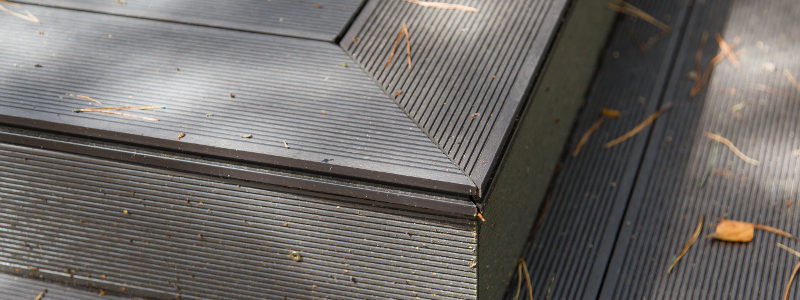
When it comes to building decking, lots of people assume that they need to use wood. But uPVC is also a great material for decking and is definitely worth considering.
If you’re thinking about using uPVC, or are unsure what decking material to use full stop, use our pros and cons list to help you decide.
uPVC Decking Pros
Customisable
A big benefit to uPVC decking is that it’s customisable. You can get the material in lots of different colours, which is really handy if you want to coordinate it with your home or garden. Lots of people go for uPVC decking with a wood effect finish – a great way to get an attractive wood look without having to use the material.
Durable and low-maintenance
uPVC is also a really popular decking material because it’s durable. It won’t rot, crack or splinter like wood is prone to. It also won’t stain or need any protective treatment. The most you’ll need to do to keep your uPVC decking looking good is to give it a wash every now and then.
Recyclable
Another bonus to uPVC is that most high-quality types are recyclable. This is great if you want to reduce your damage to the environment. Of course, uPVC is far from harmless – plastic manufacturing processes burn fossil fuels and add to carbon dioxide levels in the atmosphere. But using recyclable uPVC will help to reduce the amount of uPVC that’s being manufactured and lower waste levels.

Affordable
Lots of people also choose to use uPVC for their decking because it’s affordable. It’s generally cheaper than other decking materials, like wood and composite. So it’s well worth considering if you’ve got a tight budget.
uPVC Decking Cons
Can look cheap
A downside to uPVC – whether it’s used on windows, guttering or decking – is that many people think that it looks cheap. Even though there are many uPVC decks out there with a convincing wood effect, lots of people choose wood over uPVC over its appearance.
Prone to UV damage
Whilst uPVC is generally pretty durable, exposure to UV light will eventually cause it to deteriorate. Under prolonged sunlight, uPVC can fade and become brittle, which makes it more susceptible to damage. As decking is often in sunlit areas, this damage is pretty hard to avoid.
Difficult to repair
Another disadvantage to uPVC is that it’s difficult to repair. If some of your decking does get damaged, you’ll probably have to replace the whole section. This can be expensive and tricky if your decking is a custom colour.
So uPVC decking has a range of pros and cons. If you’re still undecided on which material to use, take a look at our articles on wooden and composite decking. Or if you need some professional help, click ‘Start my project’ and complete our online form. We’ll get you free, no-obligation quotes from up to 4 professionals.
Price
Approx. £20 - £40 per square metre
For uPVC decking boards
Installation time
Approx. 1 - 3 days
Depending on decking size
Advantages and disadvantages
- Customisable
- Durable and low-maintenance
- Recyclable
- Affordable
- Can look cheap
- Prone to UV damage
- Difficult to repair