 Evy Coe
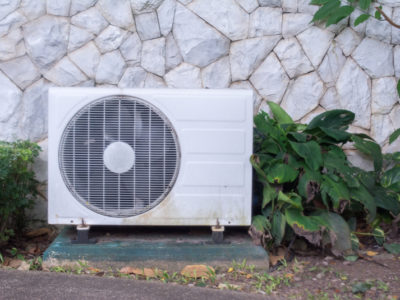
Air-to-air air source heat pumps work by extracting heat out of the air and circulating it around your home. They’re generally classed as an environmentally-friendly type of heating. This is because, although they need electricity to run, they heat your home using heat from the outside air, which is a form of renewable energy.
If you want to start heating your home using renewable energy, air-to-air heat pumps are certainly worth considering. But they’re not suitable for every property. To help you work out whether installing an air-to-air air source heat pump would benefit you, we’ve made a list of their pros and cons.
The pros to air-to-air air source heat pumps
They’re more eco-friendly than other types of heating
Lots of people decide to install air-to-air air source heat pumps because they’re eco-friendly. If you’ve currently got gas, electric or oil heating, swapping it for a heat pump could reduce your carbon emissions by around 1,000 – 7,000kg a year. So if reducing environmental damage is one of your priorities, an air-to-air source heat pump is worth considering.
They can lower your energy bill
Another benefit to air source heat pumps is that they can dramatically reduce your energy bills. This is mainly because air heat is a free energy source and fuels like electricity and oil aren’t. You will still have to pay for the electricity that your heat pump needs to run. But if you replace your electric or LPG heating system with an air source heat pump, you could save between £290 and £1,000 a year.

They’re all you need to heat your home
Air-to-air heat pumps are also popular because they completely take care of your home heating. Because they heat and distribute air rather than water, you don’t need to install things like radiators or underfloor heating for your pump to work. As long as there is air flow to all of your rooms, an air-to-air air source heat pump is all you need to warm up your home.
Air-to-air air source heat pump cons
They don’t provide hot water
Unfortunately, air-to-air air source heat pumps are not suitable for heating water. This means that if you install one, you’ll need another system for heating your water. If you’d prefer a heat pump that heats both your home and water, take a look at our article on air-to-water air source heat pumps.
They’re not eligible for RHI
Another downside to air-to-air heat pumps is that they’re not eligible for Renewable Heat Incentive (RHI) funding. This means that unlike air-to-water air pumps, an air-to-air pump won’t give you the chance to earn money for the energy you generate.
They’re not an ideal replacement for gas
While replacing an electric or LPG heating system with an air source heat pump will save your money, it’s unlikely to do so if you have a gas system. This is because they cost very similar amounts to run. Plus, running a water heating system and an air-to-air heat pump might actually cost more than just having a gas system.
So an air-to-air air source heat pump can work really well for some people and properties but not so well for others. If you want to find out about other kinds of air source heat pump, take a look at our article on air-to-water pumps.
Installation cost
Approx. £7,000 - £11,000
Installation time
Approx. 2-3 days
Advantages and disadvantages
- They’re more eco-friendly than other types of heating
- They can lower your energy bill
- They’re all you need to heat your home
- They don’t provide hot water
- They’re not eligible for RHI
- They’re not an ideal replacement for gas