 Evy Coe
An air-to-water air source heat pump works by heating water and distributing it around your house. This is very similar to the way that most boilers work.
Lots of people fit an air source heat pump because they want to heat their home in a more eco-friendly way. But is it the best choice for you? We’ve come up with the advantages and disadvantages of fitting an air-to-water air source heat pump to help you decide.
Air-to-water air source heat pump advantages
They’re an eco-friendly option
Fitting an air-to-water heat pump is a great move if you want to make your heating more eco-friendly. It’s not 100% carbon neutral, as it needs electricity to run. But compared to electric, oil or gas central heating, an air source heat pump is a much greener way to generate heat.
They’ll lower your energy bill
If you replace electric or LPG heating with an air-to-water heat pump, you’ll notice a significant reduction in your energy bills. This is because they extract heat from the air, which is a free, renewable source, rather than generating it. Depending on your current system, you could save up to £1,000 a year with a new heat pump. So installing an air-to-water heat pump is a great way to save money in the long-term.
They’ll heat both your home and water
Another advantage to fitting an air-to-water air source heat pump is that you can use it to heat both your home and water. This is great if you only want to rely on one heating system to heat your home. This is different to air-to-air heat pumps, which are rarely able to heat water.
You could earn money
You’ll also benefit from installing an air-to-water heat pump because it can earn you money through the Renewable Heat Incentive (RHI). This is a government scheme that offers financial incentives to property owners who install renewable heat technologies. Depending on when you install your heat pump, you could earn more than £800 a year. You can find out more about RHI here.

The disadvantages to air-to-water air source heat pumps
They run at lower temperatures
A downside to air-to-water heat pumps is that they deliver heat at lower temperatures than other heating systems. This means that they function best with underfloor heating and large radiators. If you only have small radiators or your home isn’t very well insulated, it may not be the best heating system for you.
They take up space
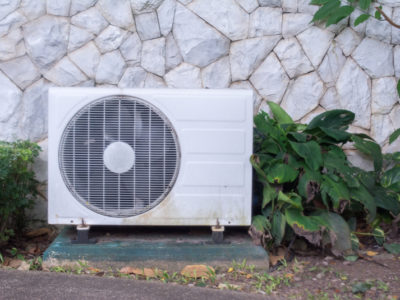
Air-to-water heat pumps are also not always ideal because they take up space. You’ll need an outside space where you can fit a unit to the wall or ground. There also needs to be a flow of air around it. So if you haven’t got a lot of outdoor space, this might be a problem.
They’re not an ideal replacement for gas
Although heating your home with an air-to-water heat pump can cost much less than electric heating or LPG, its costs aren’t so different compared to mains gas. Using a heat pump can often still be cheaper, but it’ll take you much longer to get back the money you invest on purchase and installation if you’re replacing a gas system.
So air-to-water heat pumps have a range of advantages, but they have some downsides too. To get a quote for or advice about installing an air-to-water air source heat pump, click ‘Start my project’. We’ll connect you with up to 4 heat pump installers in your area.
Installation cost
Approx. £7,000 - £11,000
Installation time
Approx. 2-3 days
Advantages and disadvantages
- They’re an eco-friendly option
- They’ll lower your energy bills
- They’ll heat both your home and water
- You could earn money
- They run at lower temperatures
- They take up space
- They’re not an ideal replacement for gas