 Evy Coe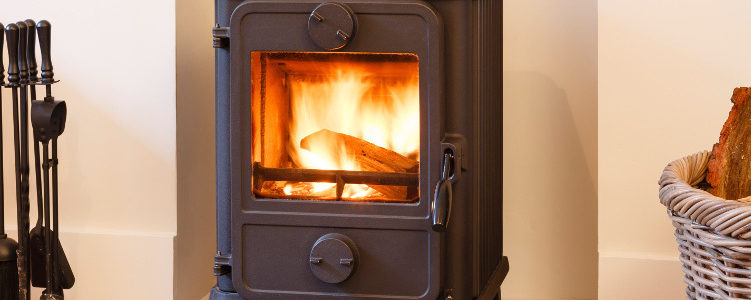
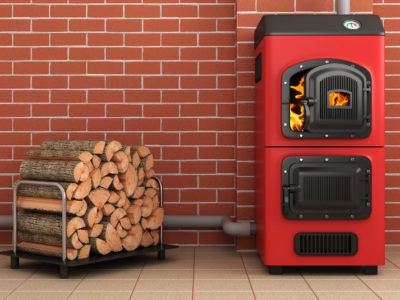
A biomass stove is also known as a wood burner or wood stove. It runs on wood, usually in the form of logs or pellets. Biomass stoves heat the space around them and can be connected to a back boiler to heat water.
Biomass is considered a renewable fuel. So installing a biomass stove is a great idea if you want to reduce your carbon emissions.
Biomass stoves have lots of advantages but they aren’t suitable for everyone. To help you decide if a biomass stove is right for you, we’ve come up with a list of its pros and cons.
Pros
Smaller than a boiler
One advantage to biomass stoves is that they’re smaller than biomass boilers. Boilers can take up a significant amount of space but stoves are much more compact. So if you want to heat your home with biomass but don’t have space for a boiler, getting a stove could be a great solution.
Cheaper than a boiler
Biomass stoves are also popular because they’re cheaper than biomass boilers. According to the Energy Saving Trust, an automatic biomass boiler can cost anything between £9,000 and £21,000 to buy and install. Biomass stoves, on the other hand, start at around £250.
Range of different types
There are lots of different types of biomass stove to choose from. They come in different shapes and sizes. You can also choose your stove based on the type of fuel you want to use and how much money you want to spend. So you should be able to find a stove that suits your home and budget.
Compatible with a boiler
Lots of biomass stoves are compatible with boilers. You can fit your stove with a back boiler if you wish, which will use the heat your stove generates to heat your home and water.
Cons
Need fuel storage space
While biomass stoves take up less space than boilers, you still need room to store their fuel. The amount of space you’ll need will vary depending on the type of fuel you use and when you want to use your stove. However, it’s worth having around 6 square metres of indoor space for fuel storage.
Not suitable for heating large areas
Biomass stoves are ideal for heating rooms. However, they aren’t designed to heat whole houses unless fitted with a back boiler. So if you want to replace the heating system for your whole house, you’d probably be better off with a biomass boiler.
High maintenance
Another disadvantage to biomass stoves is that they’re high maintenance. Whilst there are lots of types of automatic biomass boilers around, biomass stoves usually need feeding manually. They also need emptying of ash a certain amount, depending on how much you use them. So if you want a low-hassle heating system, a biomass stove may not be the best choice.
Most types ineligible for funding
As biomass boilers are a form of renewable heating technology, if you have one you could be eligible to receive funding through the government’s Renewable Heat Incentive (RHI). However, biomass stoves are only available for funding through the RHI if they are fuelled by pellets and connected to a back boiler. So choosing a biomass stove over a boiler could mean that you miss out on valuable funding.
Price
Approx. £250-£3,000
Installation time
1-3 days
Advantages and disadvantages
- Smaller than a biomass boiler
- Cheaper than a biomass boiler
- Range of types available
- Compatible with a boiler
- Needs fuel storage space
- Not suitable for heating large areas
- High maintenance
- Most types ineligible for funding