
 Evy Coe
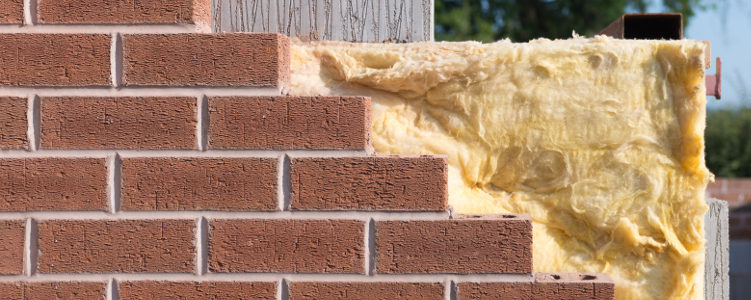
Installing cavity wall insulation is a really popular way to insulate your home. It can prevent heat loss, save energy and reduce your energy bills.
If you’re not sure what cavity wall insulation is or whether it would benefit your home, you’re in the right place. Keep reading to find out everything you need to know about cavity wall insulation.
What’s a cavity wall?
A cavity wall consists of two walls with a gap or cavity in between. The outer wall is usually brick and the inner wall tends to be brick or concrete.
Most modern houses tend to have cavity walls. If your home is less than 100 years old then it’s likely to have them.
What’s cavity wall insulation?
Cavity wall insulation fits in the gap between the internal and external parts of your cavity wall. It’s usually made of mineral wool, polystyrene beads or foamed insulants. During installation it’s blown into the gap from the outside. This ensures that it fills the whole gap and is as efficient as possible.
How do I know if I’ve got cavity wall insulation?
If you’re not sure if you’ve got cavity wall insulation, there are two ways that you can check. You can either ask your local authority’s building control department or get a registered installer to do a boroscope inspection. They’ll drill a small hole into your outside wall to see whether the walls are hollow or filled.
If your home is less than 20 years old, it probably already has sufficient insulation.
Is cavity wall insulation suitable for my home?
If you find that your home doesn’t have cavity wall insulation and you want to install it, your home needs to meet certain criteria. It must have:
- External walls with a cavity at least 5cm wide
- No damp on internal walls
- Masonry or brickwork in good condition
If in doubt, you can ask an insulation installer to come out and take a look at your home. They should be able to tell you whether you can install insulation in your cavity walls.
If you need help finding an insulation installer, click ‘Start my project’ and complete our online form. We’ll connect you with up to 4 professionals in your local area.
Cost
Approx. £300 - £750
Including materials and installation
Installation time
Approx. 2 hours - 1 day
Depending on property size
Advantages and disadvantages
- Helps to prevent heat loss
- Reduces your energy consumption
- Lowers your energy bills


