 Emily Rivers
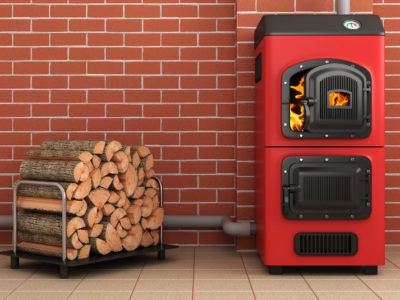
As with many heating systems, there are building regulations in place that govern biomass boilers. These regulations are designed to ensure that biomass boilers run safely. In addition, they set standards for energy efficiency and air pollution. These standards make sure your biomass boiler will have a positive impact on the environment.
This article has information about building regulations and how they apply to biomass boilers.
What are building regulations?
Building regulations are a set of standards defined by the government. They apply to many types of building work. Building regulations are designed to make sure that buildings are safe and energy efficient. They also set targets for things like insulation ratings, electrical safety and fire prevention.
Building regulations and biomass boilers
Building regulations apply to many aspects of biomass boilers. These include:
- Fuel stores
- Location of the boiler
- Air supply to the boiler
- Size and position of flues and chimneys
- Construction and size of hearth
- Carbon monoxide alarms
- Safety notices
The way your biomass boiler will have to meet these regulations varies depending on the property. For some properties, you can have the boiler and fuel store inside the building. However, for others, the boiler will be located in a smaller building separate to the main house. This will affect how the building regulations apply to the biomass boiler.
If you are in a conservation area or listed building it may be difficult to meet the regulations. There are extra restrictions in place on the types of flues and chimneys that you can have in these buildings. If you live in a listed building, speak to your local authority for advice on how to meet building regulations and the other restrictions.
The Clean Air Act may also apply if you are in a smoke control area. This means that your biomass boiler will have to use the correct fuel to ensure smokeless operation. You may also have to have your biomass boiler certified as exempt to these requirements. To find out more about these areas, click here.
Meeting building regulations
The easiest way to make sure your biomass boiler meets building regulations is to choose an installer certified by the Heating Equipment Testing and Approval Scheme (HETAS). HETAS accredited installers can self-certify that their work meets building regulations. You will get a Certificate of Compliance after installation that demonstrates that your biomass boiler meets the relevant building regulations. For more information about competent persons schemes click here.
If you want to, you can install a biomass boiler using builders who are not certified. But if you do this, you need to notify the local authority of the work. You will also need to arrange site inspections so that the authority can check that the work meets building regulations.
Building regulations for biomass boilers cover many aspects of their design and installation. It can be daunting to fit these regulations to your property’s needs. Speak to your local authority for guidance. Expert solid fuel heating companies will give you lots of advice on how to install a biomass boiler in your property and meet building regulations.