 Emily Rivers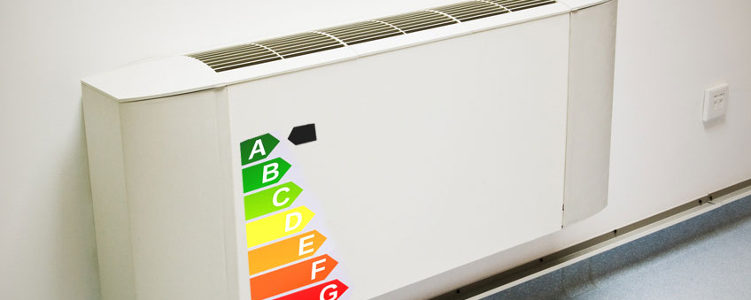
Electric heating is a popular alternative to gas boiler systems. It can also be installed as an addition to these systems. Electric heating comes in a variety of different forms. For example, the very popular underfloor heating or space heaters or heat storage systems.
Electric heating systems have to comply with building regulations. These set the energy efficiency target that the system must meet. They also ensure that the system is installed safely and properly maintained. Building regulations set an emissions target that your home must meet. To meet this target, you may need to install extra installation.
Read on to find out more about how building regulations apply to electric heating systems.
What are building regulations?
Building regulations are a set of design and construction targets that building work is required to meet. They are in place to set standards for safety and energy efficiency. They also make sure that buildings are suitable for people with disabilities.
Do building regulations apply to electric heating systems?
Building regulations do apply to electric heating systems. The regulations apply to electric heating systems in two main areas. These are around energy efficiency and electrical safety.
Energy efficiency and electric heating systems
Electric heating systems have to meet efficiency targets set out by building regulations. These targets set out an efficiency target for the system itself. To ensure your system meets this target, choose one with the appropriate energy rating. You should also use a certified installer to ensure the system is installed correctly. Improperly installed systems may perform in a less efficient manner.
The building regulations for electric heating systems also set out a target for emissions. These targets set out a CO2 emissions target that buildings have to meet. They are not generally a requirement for older homes. However, if you are building an extension or changing your heating system you may need to meet them.
It can be a challenge to meet CO2 emissions targets for electric heating. Electricity is considered to be a fuel with a high carbon impact. Typically this is offset by installing solar photovoltaic panels to generate renewable electricity. It may also be necessary to upgrade the insulation of the building. This will reduce the amount of heat lost and therefore increase the heat efficiency of the electric heating system.
Electrical safety and electric heating systems
Electric heating systems must meet electrical safety building regulations. This ensures that the system does not pose a risk to either you or your property.
The best way to do this is to use a certified electrician to install the system. The Oil Firing Technical Association (OFTEC) operate a certified persons scheme for heating systems. There are other certified electrician schemes such as the National Association of Professional Inspectors and Testers (NAPIT). You can find out more about certified person schemes here.
If you choose a certified electrician they will be able to self-certify that their work meets building regulations for electrical safety. You can choose a non-certified electrician to carry out the work. However, if you do you will need to schedule a visit from a building control inspector from your local authority. They will inspect the work and check that it meets building regulations.
Building regulations can be a tricky issue. A professional electric heating company can advise you of the best way to ensure that your system meets building regulations. You can find the government’s guidance on building regulations here.