 Evy Coe
Paving is a great way to create pathways, patios and other hard surface areas in your garden. It offers attractive and low maintenance surfaces that can be used for decorative purposes or access. Generally, you won’t need to apply for planning permission to add new paving or repair old paving.
However, there are some restrictions in place on the size of paved areas and their drainage requirements. Read on to find out more about which areas of your garden these apply to and which types of paving are exempt.
What is planning permission?
Planning permission is a system where local authorities can approve building works. This is to ensure that building work is planned properly and does not damage the surrounding area. Not every project needs planning permission, and some kinds of building work are exempt.
Planning permission for paving in the front garden
There are specific restrictions in place for paving in the front garden. You will need to apply for planning permission if all the following conditions apply:
- The area is over 5 square metres
- You use an impermeable surface
- The water runs from the surface into roadside drains, rather than to a lawn, border or soakaway
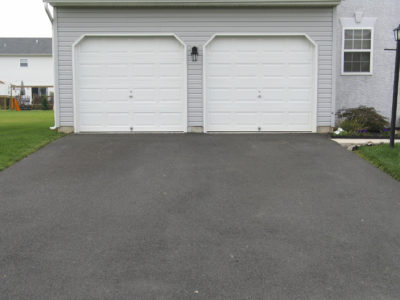
The easiest way to avoid having to apply for planning permission for paving the front of your house is to use a permeable surface. There are a variety of permeable hard surfaces available such as permeable block paving and permeable asphalt. All these options provide a hard surface that allows water to drain through into the ground.
The other option for carrying out paving work without having to apply for planning permission is to ensure that the area of impermeable surface has sufficient drainage. The rules are designed to prevent homeowners from directing water runoff from their paving into the drains on the road. Over time the strain on the drainage system in urban areas has increased, causing flooding.
There are a number of ways of providing drainage for impermeable surfaces. The water run off can be directed towards a lawn or border, or even transported into a rain garden or soakaway area. Specialist paving companies can advise you of the most suitable way of providing drainage in your front garden.
Planning permission for paving in other areas of your garden
For the rear and side garden of your property, there are no restrictions on the size or type of paving. You will normally not need to apply for planning permission to pave these areas. You can pave small areas for paths or patios at the rear or your property under permitted development rights.
However, if you are planning to pave a very large area or make significant alterations to the elevation of your garden, speak to your local authority. There may be restrictions in place on landscaping work in your area. If you plan on carrying out paving work on the grounds of a listed building, you will need listed building consent.
This information should help you understand how planning permission affects paving and pathways. Specialist paving companies will be able to help if you have any questions about planning permission for paving on your property. Your local authority’s website may also have guidance for your area.