 Emily Rivers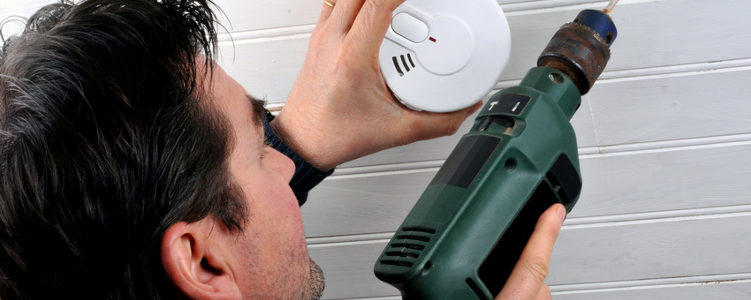
It’s important to make sure that your property complies with building regulations. These regulations will only apply to certain alarm installations. For example, Part P building regulations only apply to certain categories of electrical work, such as installing new fixed circuits.
If you have work done on your home that does not meet building regulations, you may face prosecution by the local authority. They could also enforce the law by requiring you to have remedial work done. Also, if you plan on selling the home, any work that does not meet building regulations may affect your ability to sell.
What are building regulations?
Building regulations are standards for building design and construction. The government sets the regulations, and building work must meet them. The building regulations are in force to make sure that buildings are safe and energy efficient.
How do building regulations apply to alarm installations?
Two parts of the building regulations apply to alarm installations. Part P covers electrical work, and Part B covers fire safety.
Part P regulations for electrical work
The part of the building regulations that applies to electrical installations is called Part P. It only applies to some kinds of alarm installations. If your alarm system is a ‘plug and play’ type which uses batteries or plugs into a standard mains socket, in general Part P regulations don’t apply. This means that for these types of alarms you can carry out the installation yourself without notifying your local authority.
However, for installation of alarm systems which connect directly to the mains, Part P regulations will generally apply. Part P of the building regulations specifies that a competent person must install new electrical circuits and spurs or you must have the local authority inspect them.
The easiest way to comply with Part P regulations is to use a certified electrician. There are a range of competent persons schemes in place, such as NAPIT.
A certified electrician should carry out all electrical work. This gives you peace of mind that the installation is safe and reliable. For alarm systems, it’s vital to have a reliable source of power to make sure your alarm can operate effectively.
Part P regulations also require circuits for mains powered smoke alarms to be separate from circuits with other electrical appliances. If you’re not sure how you power your smoke alarms, have a certified electrician carry out an electrical survey on your home. A professional electrician can advise you of the best way to meet Part P building regulations. Your local authority may also have advice.
Part B building regulations for fire safety
Part B of the building regulations covers fire safety. This includes the number of fire alarms that a property must have, as well as where they must be positioned. These regulations only apply to newly built properties or to properties that have had major refurbishment work. Different local authorities have different standards of what major refurbishment means in practice. Generally, it means an extension or loft/garage conversion. Check with your local authority if you’re not sure.
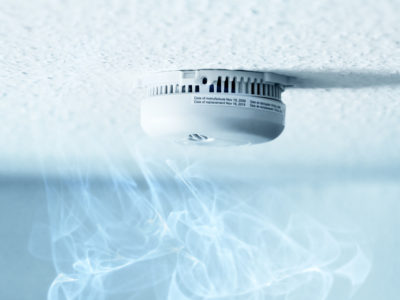
Part B states that a fire alarm early warning system must be installed in domestic properties. The number of alarms varies depending on the size of the property. In general, you should install at least 2 optical smoke alarms and a heat alarm in the kitchen. These alarms should all be mains powered and have a battery backup. The alarms must also meet British Standards.
Overall, it’s best to speak to a professional electrician or alarm installation company to make sure the installation of your alarm system meets building regulations. They will make sure they install your alarm system safely ensure that it is effective. You can also check with your local authority. Their website may have advice on alarm systems and building regulations in your area. If you want to find out more about building regulations, click here.