 Emily Rivers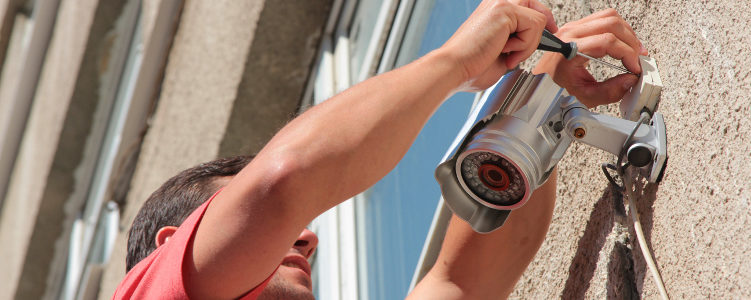
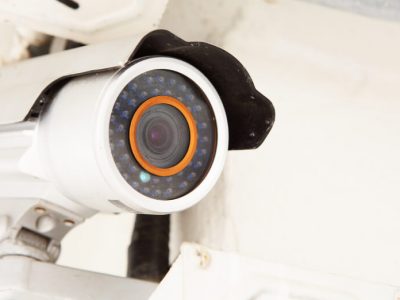
CCTV systems are great for protecting your property. They could provide you with evidence to submit to the police if a crime occurs. CCTV systems will also deter opportunist criminals. CCTV traditionally refers to closed circuit cameras which write to local video storage. However, network and internet-enabled cameras are growing in popularity. These cameras capture video that you can access from anywhere in the world over the internet. Read on to find out more about the Part P building regulations and how they apply to CCTV installations.
What is Part P?
Part P is the section of the building regulations which govern electrical work. Part P regulations cover all types of electrical work. They require that electrical installations meet fixed standards. These standards make sure that electrical work is safe.
Different types of electrical work have to meet Part P building regulations in different ways. Small-scale work such as replacing socket outlets or light switches is not notifiable. This means that you do not have to get the local building control office to check that the work meets regulations. Larger works such as adding a new electrical circuit or spur, or fitting a fuse box or RCD, are notifiable. If you complete notifiable work yourself or use a non-registered electrician, you will need to ask the local authority to come and inspect the work to make sure it is safe. However, there is usually a charge for this inspection.
The easiest way to make sure electrical work you have done meets Part P regulations is to use a registered electrician. Electricians who register with competent persons schemes can self-certify that their work meets building regulations. This can save you time and money. There is a range of competent persons schemes in place for the electrical industry. For example, the National Inspection Council for Electrical Installation Contracting (NICEIC) or the National Association of Professional Inspectors and Testers (NAPIT).
How do the Part P regulations apply to CCTV systems?
Different CCTV systems will need to be installed in different ways. Single camera systems are generally simple to install as you can often plug them into existing electricity sockets. Multi-camera systems are more complicated to install and will generally need extra electrical work such as new sockets or spurs to be fitted. You should always get electrical work such as this done by a registered electrician.
Any CCTV system installation where a new electrical circuit needs fitting is notifiable work. Most multi-camera systems will need to operate on their own circuit as they are external electrics. The hardware for viewing and recording the video may also need separate electrical protection.
It’s important to make sure your CCTV system is installed correctly. The safety of an electrical system is vital, but a CCTV system will also need to be reliable to be effective. Having reliable electrical wiring and sources is vital to keeping your CCTV system operational. Using a registered electrician to install your CCTV system will give you peace of mind that it will be reliable and meets Part P building regulations.
So now you know how CCTV installations must meet Part P building regulations. For more information on Part P, see the Government’s Approved Document.