 Emily Rivers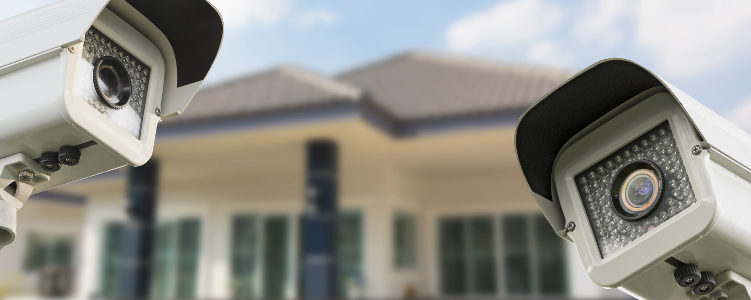
CCTV systems are becoming very popular in the UK. They are a good way to secure homes and businesses. CCTV systems may deter crime and can also be used to provide evidence to the police if a crime is committed. You will not usually need to apply for planning permission to install a CCTV system on your property. However, if the system is particularly large or obtrusive, it may need planning permission. If you’re not sure if your CCTV installation needs planning permission, check with your local authority. They may have guidance and policies for CCTV systems in your area.
What is planning permission?
Planning permission is a system which allows local authorities to control building work that is carried out in their area. It means that for certain types of building work you have to apply for permission from the local authority. This system is in place so that the authority can make sure that all building work is suitable for the area.
Planning permission for CCTV
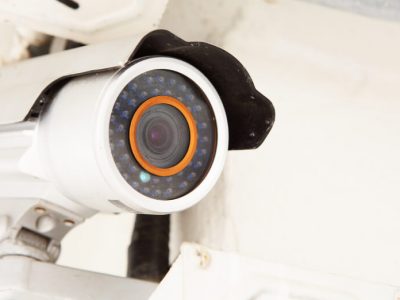
Small domestic CCTV installations will not usually need planning permission. You can install a small number of unobtrusive cameras on your property without having to apply for planning permission. Installing a large CCTV system may need planning permission. This generally includes systems with many cameras, and especially those with large cameras. Large CCTV cameras generally have big housings to allow for a mobile camera that can pan and tilt.
If your CCTV system involves putting up fixed poles for the cameras, this may mean you have to apply for planning permission. Poles higher than 4 metres will usually mean you need planning permission. Poles lower than this will still sometimes need planning permission. This depends on its exact location and the policies of the specific local authority.
If you live in a listed building or conservation area, you will need to apply for listed building consent or planning permission. Speak to your local authority for more information about how this is managed in your area.
Other regulations
It’s also important to make sure that your CCTV systems do not overlook neighbouring properties. This is especially true if your camera overlooks windows into a neighbouring building. Speak to your neighbour before installing CCTV cameras and explain the benefits of the CCTV system. This may mean that they are less likely to complain to the local authorities.
The Data Protection Act 1998 does not apply to domestic CCTV installations. You should still be careful to respect the privacy of your neighbours and of people passing by your property. You can do this by carefully planning your CCTV system to only capture video in specific areas. By doing this, you will make sure your CCTV installation is as effective as possible. You’re more likely to capture high-quality images that you can use as evidence if your plan your cameras and target them appropriately.
Commercial CCTV installations need to follow the Data Protection Act. This may involve putting up signs to inform members of the public of the CCTV system. Also, you will need to let the Information Commissioner know about the system. Ensure you store captured video securely and delete it after a certain amount of time.
While most CCTV installations won’t need planning permission, it’s still important to know the rules. Check with your local authority if you’re not sure, as planning permission mistakes can be expensive. You may even need to remove your CCTV system, if it’s found that it needed planning permission. Some local authorities may require that CCTV installations are appropriate for the area. If you’re not sure who your local authority is, you can use the government’s tool to find out.