
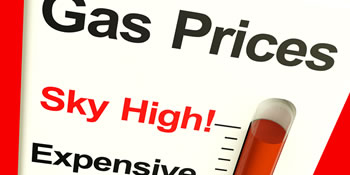
For many homeowners in the UK, the dual cost of gas and electricity is now the third largest expense, behind only mortgage or rent payments and food bills. And after the latest round of price hikes from the major energy suppliers, the average annual household energy bill now stands at £1,400.
As a matter of fact, these expensive prices have doubled in the last seven years, as in 2006 the average energy bill was between just £600 and £700 a year. And because of the rising gas and electricity prices, more and more households have been pushed into fuel poverty.
At the end of 2012 there were around 300,000 families suffering fuel poverty, which is classified when 10% or more of income is spent on dual fuel bills.
And the Fuel Poverty Advisory Group (FPAG) chairman, Derek Lickorish, said: “A toxic cocktail of rising wholesale prices, the high cost of energy reforms and cuts in incomes for many households, means fuel poverty levels are set to sky rocket without radical action.”
Why is energy so expensive?
There’s no hiding from the fact that gas and electricity rates have climbed significantly over the last few years, but what is the main reason?
Well according to the Committee on Climate Change (CCC), which was established in 2008 to help advise the Government, a rise in wholesale prices is mostly to blame. Their research suggests that two thirds of energy rises can be put down to higher wholesale gas prices in the last seven years.
Will prices continue to rise?
The committee believes that energy prices will continue rising, especially because of low-carbon policies in place. At least £100 a year is expected to be added to an average annual energy bill by 2020.
And the recommendation to homeowners is to invest in renewable energy products to help generate their own power, rather than relying on the grid. Solar panels, for example, take natural energy from the sun and convert it into electricity for the home. It’s 100% free, therefore slashing your bills.
But one thing’s for sure, and that’s not to expect national rates to fall any time soon, as Confused.com’s Gareth Kloet advises.
He said: “Our infrastructure is old, massively expensive to replace and maintain, and with so many nuclear power stations coming to the end of their economical lives, prices have risen as has our reliance on imports.
“The government can do little to prevent these rises apart from allowing some of the more controversial projects to go ahead, for example the Severn barrage, shale fracking, as well as investment and planning for wind farms.”
Reduce your energy consumption
Of course, with energy prices being at a record high, you should also consider ways to reduce the amount you use in the home. It’s a great way to see cuts to your expenses.
Some of the best ways to reduce your energy usage include:
- Turning down the heating when possible
- Switching off lights and appliances at the plug when not used
- Investing in an energy monitor to track the amount of power used
- Consider insulation to make your home more energy efficient. This would include loft lagging, wall cavity
insulation and double glazing, with each measure being able to save you hundreds of pounds each year.
Facts & Figures You’ll Love To Share
- [tweetable alt=””]After the latest energy price hikes, the average annual UK bill stands at £1,400.[/tweetable]
- [tweetable alt=””]In 2006 our annual energy bills were just £600.[/tweetable]
- [tweetable alt=””]At the end of 2012 there were 300,000 families suffering from fuel poverty.[/tweetable]
- [tweetable alt=””]At least £100 will be added to your yearly gas and electricity bill by 2020.[/tweetable]