
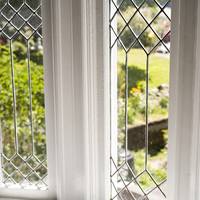
Insulating the home is very important these days because of high energy costs. There are many options to consider including wall cavity insulation, loft lagging and double glazing. Though for some homes it’s not as simple as that because of special regulations, and this is where secondary double glazing comes in.
Secondary double glazing has become very popular around the UK for a number of reasons, but mainly because of stringent laws which apply to buildings changing their windows. Principally, properties in conservation areas and listed buildings are prevented from installing double glazing as it’ll change the exterior look of the home.
However, with secondary double glazing an extra pane is fitted on the interior of the original window, adding insulation. There are a number benefits too, including noise pollution reduction, a warmer home and reduced carbon emissions.
With secondary double glazing you can choose the frame material that suits you and your home. There are three main options: aluminium, hardwood and uPVC. uPVC tends to be the most popular of the three, being cheap, durable and weather resistant. It’s also used for conservatories and doors.

If you want a stronger material, then aluminium would be your best bet. However, you should expect to pay out more for this natural metal. Wood is chosen for traditional homes and if you’re in a conservation area, you’re more likely to be granted permission by opting for wood frames.
In secondary double glazing you should be looking to have the second pane fitted 100mm from the original glass. This will provide energy efficiency to your home, helping to slash annual bills.
Remember, by installing secondary double glazing you can:
- Reduce your energy bills by £300 a year
- Cut condensation by having a warmer home
- Have an installation for a cheaper price than double glazed windows
- Have the windows fitted DIY, but always use an expert for best results
- Slash CO2 emissions your home creates.
Facts & Figures You’ll Love To Share
- [tweetable alt=””]Replacing your inefficient windows with double glazing will help you save up to £200 a year on expensive household bills.[/tweetable]
- [tweetable alt=””]Installing double glazing is an environmentally friendly option, slashing carbon by 680kg annually.[/tweetable]
- [tweetable alt=””]As well as a monetary saving, double glazing will cut condensation and reduce noise pollution.[/tweetable]
- [tweetable alt=””]Switching your old windows will boost your property’s EPC rating and make your home a more attractive buy in the market.[/tweetable]
- [tweetable alt=””]For homes in Conservation Areas, consider secondary glazing to make energy savings when double glazing isn’t permitted.[/tweetable]