
Design and Planning for a Self Dwelling Granny Annex in Chepstow
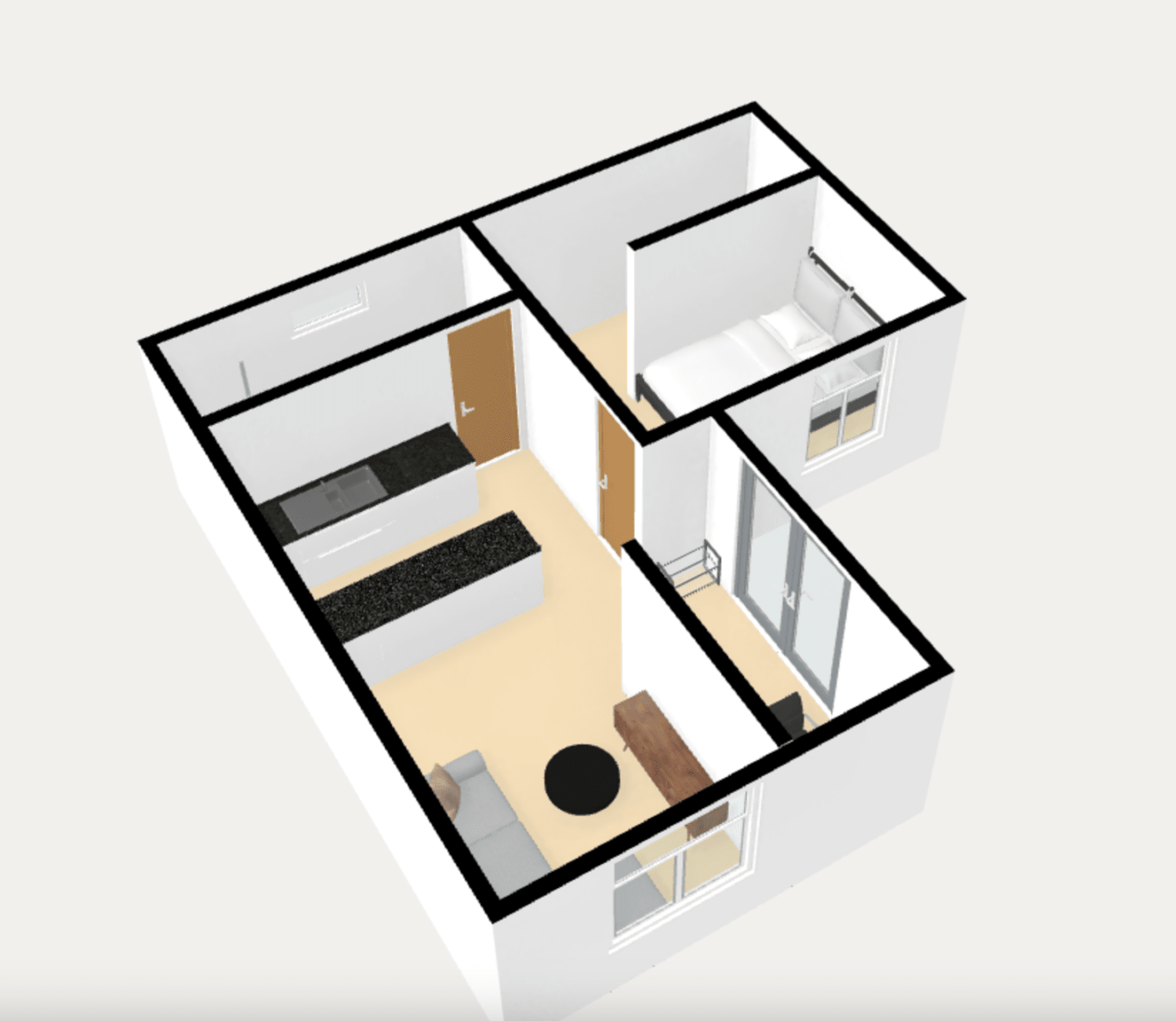
I’m planning to build a self-contained granny annex in my garden in Chepstow. The structure will be 7.5m x 7.5m and will include a bedroom, a living room combined with a kitchen, and a separate bathroom with a WC. I’d like advice on how to proceed with the design, planning permissions, and the best way to maximise the space while keeping it comfortable and functional.
Understanding the Requirements for a Granny Annex
Creating a granny annex requires careful consideration of design, planning permissions, and construction techniques. In this case, the proposed dimensions of 7.5m x 7.5m offer a good amount of space to accommodate the required amenities. A well-thought-out layout is crucial to make the annex both functional and comfortable.
Key Steps to Planning and Building
1. Planning Permission and Regulations
In Chepstow, located in Monmouthshire, planning permissions are often required for standalone structures like a granny annex. It’s essential to check local planning authority guidelines to ensure compliance with size, height, and placement regulations. Monmouthshire Council’s online portal is a helpful resource for submitting planning applications and checking requirements. Additionally, Building Regulations approval will likely be needed to ensure the annex meets safety and insulation standards.
2. Designing the Layout
The proposed layout of a bedroom, living area with a kitchenette, and a bathroom can be achieved efficiently within the 7.5m x 7.5m space. Incorporating open-plan designs for the living and kitchen areas will maximise the available space. Sliding doors or pocket doors can be a smart choice to save on floor space compared to traditional hinged doors.
3. Materials and Construction Techniques
Using high-quality, sustainable materials can enhance the annex’s durability and energy efficiency. Popular choices include timber frames for their insulation properties and aesthetic appeal or SIP panels for rapid construction. Local suppliers in Chepstow and nearby towns often stock materials that align with British building standards.
Additional Considerations
Cost and Budget
Construction costs can vary widely, but a ballpark estimate for a project like this might range from £50,000 to £75,000, depending on the quality of materials and finishes chosen. Factoring in professional fees for architects, surveyors, and contractors is also vital.
Access and Utilities
Ensure that there’s adequate access for construction equipment and materials to the garden area. Connections for water, electricity, and drainage must be planned in advance, as they will involve integrating the annex into the existing home’s infrastructure.
Energy Efficiency
Opting for energy-efficient windows, doors, and insulation will keep running costs low and ensure the annex is comfortable year-round. Solar panels or a heat pump can be worthwhile investments in the long run.
Local Expertise and Services
Architectural services in Chepstow can provide tailored advice for this project. Engaging a local architect familiar with Monmouthshire regulations ensures that the design process is smooth and compliant. For structural materials and supplies, local businesses or larger chains like B&Q in Newport or Wickes in Caldicot are excellent resources.
For those interested in learning more about architectural services in Chepstow or related home improvement projects such as garden landscaping in Chepstow and timber decking in Chepstow, additional resources are available online.
Preparing for the Project
Homeowners can prepare by clearing the site of obstructions, confirming property boundaries, and arranging temporary accommodations if construction affects daily life. Being proactive about neighbour notifications can also help avoid disputes during the building process.
Serving the Surrounding Areas
This type of project is common in Chepstow and surrounding areas such as Caldicot, Newport, and the Wye Valley. Professionals in these regions are experienced in delivering high-quality annexes that meet diverse needs.
For tailored advice and professional support, don’t hesitate to contact an experienced architectural consultant in your area.

