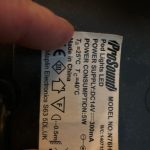
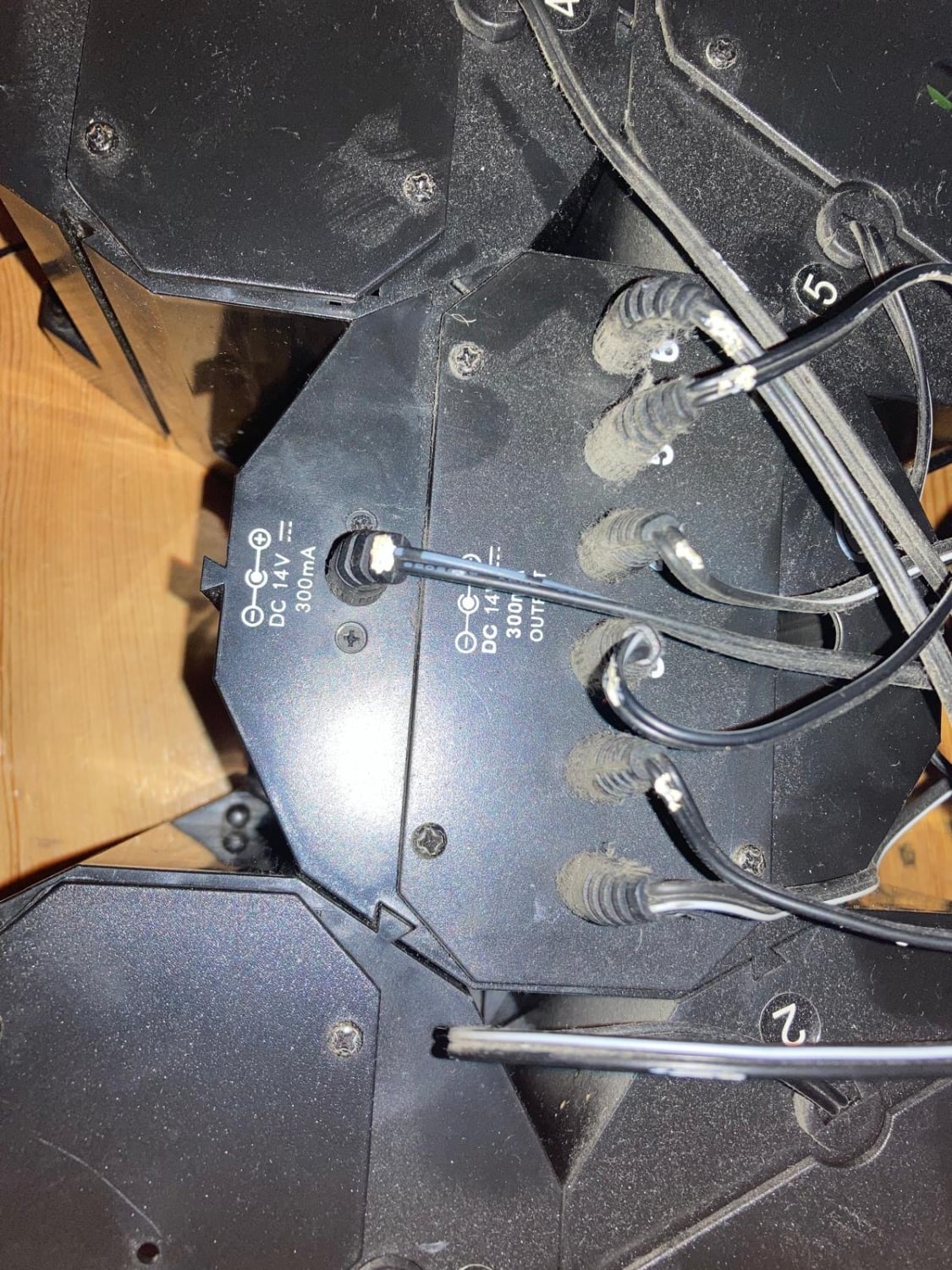
Advice needed, and possible testing: Small set of disco lights (ProSound N76HZ) to be used by PTA at a school disco.
I think they are double insulated and in good condition, and we can plug in via an RCD, but do they need a qualified assessment before using in school? Thanks if you could advise.
PAT Testing for School Disco Lights in London
Understanding PAT Testing Requirements
Portable Appliance Testing (PAT) ensures electrical devices are safe to use and is especially important in environments like schools where safety standards are stringent. For Fiona’s case, the ProSound N76HZ disco lights, while appearing to be in good condition, may require testing depending on school or local authority policies.
When Is PAT Testing Necessary?
In general, PAT testing is recommended for all electrical appliances used in public or communal spaces. Key considerations include:
- Usage Environment: Schools typically have strict safety policies, and equipment used around children often requires documented testing.
- Type of Appliance: Double-insulated devices, identified by a square-within-a-square symbol, are less likely to require testing but should still undergo visual inspections.
- Frequency of Use: Appliances used sporadically, like disco lights, may have less wear but still need checks if they’re used in a school setting.
Steps to Ensure Safety
To use disco lights safely in a school, consider these steps:
1. Visual Inspection
Check for visible signs of wear, including frayed cables, damaged plugs, or loose connections. If the lights are double-insulated, look for the double-square symbol on the casing or manual.
2. Use an RCD
Plugging the lights into a Residual Current Device (RCD) offers an additional layer of safety, reducing the risk of electrical shock.
3. Consult School Policies
Most schools require PAT certification for electrical equipment brought onto the premises. Verify whether your local education authority mandates testing, regardless of the appliance’s condition.
4. PAT Testing
If required, hire a qualified electrician to perform a PAT test. This involves checking the insulation, continuity, and overall safety of the device. Testing costs are typically £1 to £5 per appliance, with minimum call-out fees around £40 to £60.
Benefits of PAT Testing
Even if not legally required, PAT testing provides peace of mind and ensures compliance with school safety policies. It reduces liability risks and demonstrates due diligence in maintaining a safe environment for children and staff.
Additional Considerations
When testing or using electrical equipment at school events:
- Storage: Keep appliances stored safely to prevent accidental damage.
- Usage Guidelines: Ensure only authorised personnel handle and operate the lights.
- Documentation: Maintain a log of tested equipment for future reference.
Local Services in London
We provide PAT testing services across London, including E17 and nearby areas. Learn more about our PAT testing in London or explore related services such as electrical safety inspections in London and RCD installation in London.
Conclusion
While the ProSound N76HZ lights may appear to be in good condition, it’s advisable to confirm their safety through visual checks, RCD usage, and possibly PAT testing. Following these steps ensures compliance with school policies and guarantees a safe, enjoyable event for all attendees.