
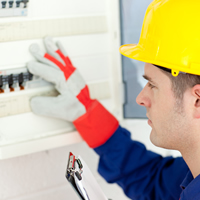
For any electrical work that’s carried out in your home you need to ensure the electrician is Part P registered. Once the job has been completed, a certificate is issued to say it’s been carried out in line with British standards.
So what does this mean? Well, fortunately now you won’t need to contact your local building authority to have the work approved and signed off. Now all it takes is a ‘competent person’ to inspect the work and issue the certificate. This can be a Part P registered electrician. By this means you’re able to save both time and money as they’ll be no external charges of bringing someone else in.
Remember, you’re not qualified to work on the electrics in your own home. Without the correct skills and knowledge you can cause a massive hazard and poor electrical work can result in a fire or even fatality. For this reason, the Part P certification is a great scheme and ensures your home is safe.
By working on your own electrics you could be at risk of invalidating your home insurance too, which is the last thing you want if an accident was to occur. Also know that some electricians will refuse to rectify poorly maintained electrics, which could be the case if you have attempted DIY.
Part P certification isn’t easy to obtain either and electricians go through years of training to earn the accreditation. The electrician will need to adhere to safety and electrical standards, whilst demonstrating technical competency. The Part P scheme is run by the Governmental bodies such as NICEIC, NAPIT or ELECSA.
Once passed onto the scheme, that’s not the end for electricians either. In fact, they’ll undergo yearly checks to ensure they still maintain the appropriate skills and practices. The equipment they use will also be checked.
There are a number of reasons you could require a Part P registered electrician to work on your home. Examples include electrical inspections, PAT testing, building rewires and socket extensions.