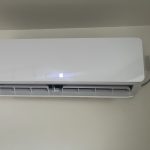

New Eletriq R290 Air Source Heat Pump Installation Issue in London SE25
We recently had a brand-new Eletriq R290 air source heat pump installed at our property on Holmesdale Road, London SE25. The installation appeared to go smoothly, but now it seems the unit may need a gas top-up. It looks like something may have gone wrong during the purging process. Can someone shed light on what might be the issue and how to resolve it?
Diagnosing and Resolving Gas Issues in Air Source Heat Pumps
Air source heat pumps, particularly modern models like the Eletriq R290, are efficient and environmentally friendly heating solutions. However, even with professional installation, occasional issues can arise, especially when handling refrigerants like R290 (propane), which require specific expertise during setup. Here’s an in-depth look at the potential issue and how to address it.
Common Causes of Gas Loss During Installation
Gas top-up requirements for new air source heat pumps often stem from an incomplete or improper purging process during installation. Purging involves removing air or non-condensable gases from the system before charging it with refrigerant. For R290 units, this step is critical due to the specific properties of propane, which is a natural refrigerant requiring precise handling.
Steps to Diagnose the Problem
1. **Check Refrigerant Levels**: Using a specialised gauge, a professional can measure the current refrigerant levels in the unit. If they are lower than specified by Eletriq’s guidelines, a top-up is necessary. 2. **Inspect for Leaks**: Even minor leaks in valves or connections can lead to a loss of refrigerant. Technicians will use tools like a leak detector to ensure the system is sealed properly. 3. **Review Installation Records**: Reviewing the steps taken during the installation can help identify if purging was conducted correctly or if any oversight occurred.
Resolving the Gas Top-Up Issue
If the refrigerant level is indeed low, a licensed HVAC technician will perform the following steps:
- Recover any remaining refrigerant safely to comply with environmental regulations.
- Recheck the system for leaks and repair them if necessary.
- Recharge the system with the appropriate amount of R290 refrigerant, as specified by the manufacturer’s guidelines.
These steps typically take a few hours to complete, depending on the complexity of the issue. Homeowners should expect costs to vary based on the technician’s rates and the amount of refrigerant required, but for an R290 unit, it could range from £150 to £300.
Why Professional Expertise Is Essential
Handling R290 refrigerant requires training due to its flammable nature. Licensed professionals adhere to strict safety standards, ensuring both the system’s efficiency and the homeowner’s safety. In London, regulations also dictate how refrigerants must be managed, so hiring certified technicians is non-negotiable.
Preparing Your Home for Repairs
To ensure a smooth repair process, homeowners can:
- Clear the area around the heat pump for easy access.
- Notify the technician of any access restrictions or specific issues noticed during operation.
- Plan for a temporary disruption in heating while repairs are carried out.
Long-Term Maintenance Tips
After resolving the issue, homeowners should schedule regular maintenance checks to prevent similar problems. Periodic servicing can identify potential issues early, maintain energy efficiency, and extend the lifespan of the heat pump.
Related Services in London SE25
If you’re dealing with an air source heat pump issue, you might also consider other related services such as:
- Air source heat pump maintenance in London
- Boiler servicing and repairs in London
- Underfloor heating installation in London
For more information on maintaining your air source heat pump, or to schedule a service, get in touch with certified local HVAC specialists in London SE25.