
Installing a Wood Burner in a 1970s Terrace Home in Brixham
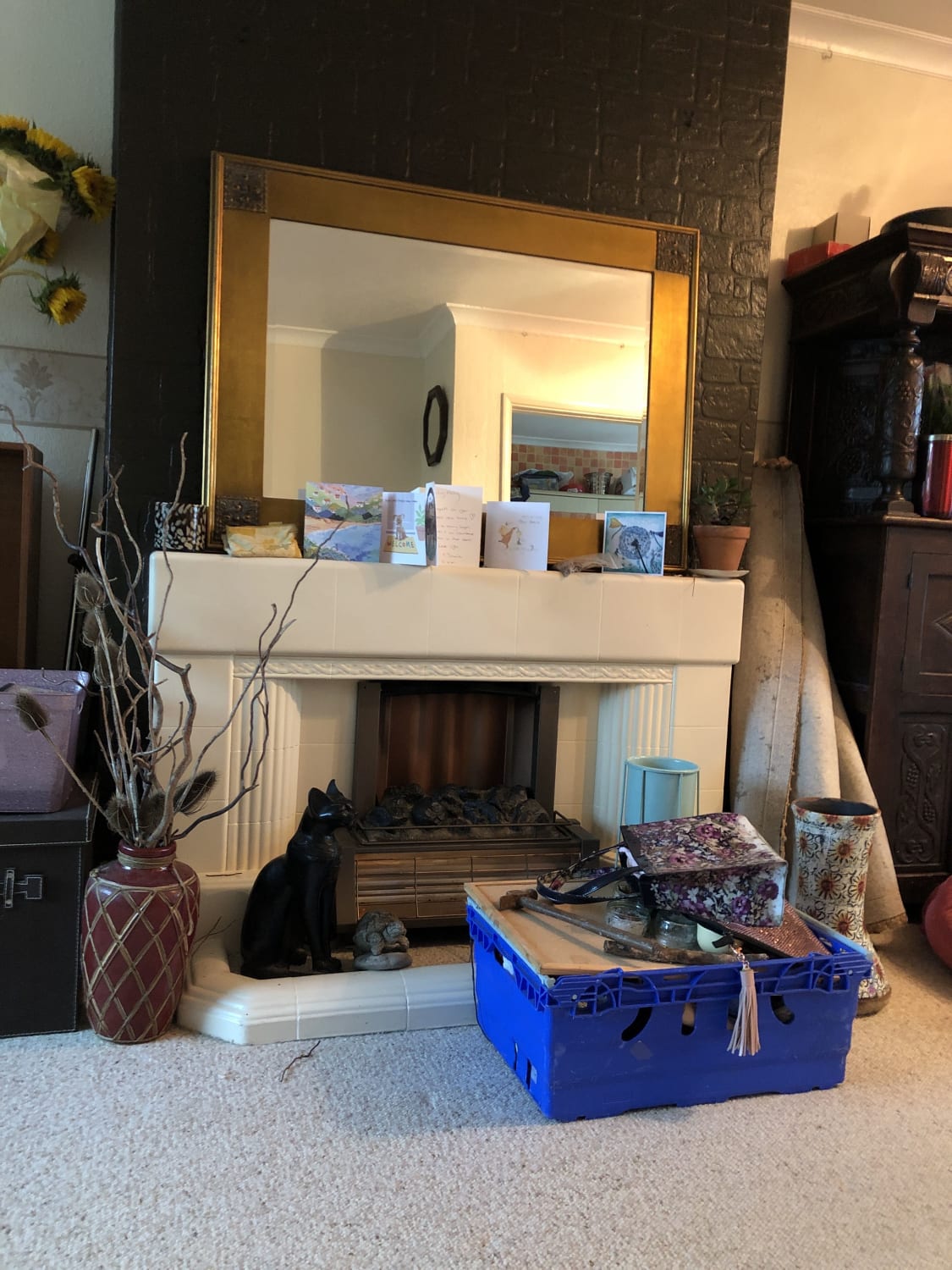
I’ve just moved into a 1970-built home with an electric fire in the fireplace. There’s a proper chimney, and I’m interested in installing a wood burner. I don’t know if the chimney is lined. I may already have a wood burner that I could use. I’d like to discuss my options and costs.
Steps to Install a Wood Burner in an Existing Fireplace
Installing a wood burner in a home with an existing chimney involves several steps to ensure safety, efficiency, and compliance with regulations.
1. Chimney Inspection
- Professional Assessment: A HETAS-registered installer will inspect your chimney for structural integrity, blockages, and suitability for a wood burner.
- Chimney Lining: If the chimney isn’t already lined, a liner may be required to contain the high temperatures and ensure proper draft control.
2. Fireplace Preparation
- Electric Fire Removal: The existing electric fire will be safely removed to make way for the wood burner.
- Opening Resizing: The fireplace opening may need resizing or reinforcement to accommodate the wood burner.
3. Installing the Wood Burner
- Wood Burner Placement: The burner will be positioned within the fireplace, ensuring sufficient clearance from walls and combustibles.
- Connection to Chimney: The wood burner will be connected to the flue system, ensuring airtight joints.
4. Chimney Lining Installation (if needed)
- Liner Type: Flexible stainless steel liners are commonly used, providing durability and heat resistance.
- Insulation: The liner may be insulated to improve draft and prevent condensation buildup.
5. Final Testing and Certification
- System Testing: The installer will test the system for proper airflow, draft, and safety.
- HETAS Certification: A certificate of compliance will be issued, confirming the installation meets UK safety standards.
Costs for Wood Burner Installation
The cost of installing a wood burner varies based on the condition of the chimney and additional work required:
- Installation Only: £800–£1,500, assuming the chimney is in good condition and no liner is required.
- Chimney Lining: £500–£1,500, depending on the length and complexity of the installation.
- Fireplace Alterations: £300–£800, if resizing or structural modifications are needed.
- Total: £1,300–£3,800, with work typically completed in 2–4 days.
Benefits of Professional Installation
Engaging a certified professional ensures:
- Safe and efficient operation of your wood burner.
- Compliance with building regulations and manufacturer guidelines.
- Optimisation of heat output and draft control.
Preparing for Your Installation
Before installation, consider these steps:
- Wood Burner Specifications: Provide details of the wood burner you plan to use, including dimensions and heat output.
- Chimney Access: Clear access to the chimney and fireplace for inspection and installation.
- Consultation: Discuss design preferences, such as hearth material or decorative surrounds, with the installer.
Local Wood Burner Installation Services in Brixham
Residents of Brixham and nearby areas like Paignton, Dartmouth, and Totnes can rely on local HETAS-certified installers for professional wood burner installations. These experts understand the unique requirements of terrace houses and 1970s-built properties.
Contact specialists in wood burner installation in Brixham for a detailed consultation and quote. For additional services, explore chimney sweeping in Brixham.
Long-Term Benefits of a Wood Burner
Installing a wood burner enhances your home’s efficiency and comfort while adding a cosy aesthetic to your living space. Regular maintenance, including annual chimney sweeping and burner servicing, ensures optimal performance and safety for years to come.
