
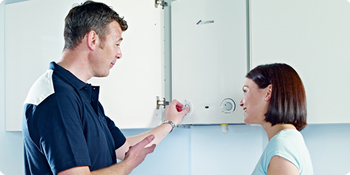
It’s officially the start of National Gas Safety Week, aimed at improving the awareness of gas appliances in the home. If you have gas hobs you’ll be used to switching them off straight after cooking, not just as a way to reduce energy bills, but to prevent a fire too.
Because of the visual warning gas hobs provide when on, it’s a lot easier to remember. The boiler, on the other hand, is often overlooked. In fact it’s not uncommon for boilers to fault and thousands of homeowners in the UK are diagnosed with carbon monoxide poisoning on a yearly basis.
What is carbon monoxide? It’s a colourless and odourless gas which is released in inefficient boilers. It can be fatal, hospitalising hundreds of people annually. Ensuring your boiler is working efficiently is the best way to avoid this silent killer.
It’s recommended to have your boiler serviced once a year to prevent faults and protect you and your family. But there are still 43% of the British population not following this advice. Are you one of them?
Whilst the summer looks to be over, the temperature hasn’t astronomically dropped. Many people wait for this to happen (mid to late November), before switching their central heating back on again, especially because of the rise in energy bills. But be proactive and have your boiler inspected now, so you can beat the rush and have any hidden faults detected. You can then enjoy your warm and cosy home whilst others are left to spend big on boiler repairs.
A boiler service won’t break the bank either, especially when you compare it to the cost of repairs or a call-out in the middle of winter. A typical service will cost between £50 and £80, whilst high efficiency condensing boilers may stretch to £160.
But a call out in the Christmas period could be £300 before parts and repairs. So you can see the benefits of acting early. And remember, it’s boilers of 10-years or older which are more prone to faults and breakdowns.
Remember, only a Gas Safe registered engineer should be looking at your boiler. This is a legal requirement and DIY is strictly prohibited. Never allow an engineer to look at your boiler without seeing the appropriate identification first. They should have a Gas Safe Register ID card and the identification number can be checked with the official list on the Gas Safe Register.
One check you can complete by yourself is to look at the boiler’s pilot flame. If it’s bright blue it should be healthy, whilst a yellow or orange flame would require the attention of a boiler engineer.
If you’re particularly concerned about your boiler, have a quick check of the flame. If it’s bright blue, it’s looking healthy but if it’s yellow or orange, don’t delay in calling in that heating engineer to check it over.