
The cold months are back and you’ve probably switched on your central heating to keep the home warm as the temperate has dropped significantly over the last few weeks.
Unfortunately the conditions are only going to get worse so make sure to finish any home improvements before winter hits.
There are five main areas to consider with home improvements for the winter: The roof, guttering, heating, windows and doors. Assess each part of your home and ensure you’re ready for the colder months.
Heating
As already mentioned, by now you’re likely to have switched on your heating. But did you know it’s this time of the year that heating engineers are often at their busiest? But why is this? Because after a long period of rest, the boiler has a habit of breaking down when it’s needed again after six months of no action.
Research shows that 43% of homeowners in the UK don’t have an annual service. Instead, people often wait for a problem before calling out a local tradesman and by this time it’s too late. You should be having an annual service for your boiler, especially if it’s over five years old.
Please remember that boiler work needs to be carried out by professionals. If you have a gas boiler you can only allow Gas Safe Registered engineers to carry out work and always check for ID. A boiler service will cost between £50 and £80, whereas if you wait for a fault you could spend hundreds and possibly even thousands of pounds on repairs.
A more efficient combi boiler will mean a warmer home for you and you’ll even be able to reduce those expensive energy bills.
Windows and doors
As well as the roof, your windows and doors will take a beating over the next four or five months from the wind and rain. So it’s important to ensure your windows and doors are in the best condition possible heading into this period.
For starters you should look for any signs of the paintwork cracking. If there’s any evidence of this it’s very worthwhile sanding the woodwork back and repainting to prevent rot.
Typically windows and doors should last for decades but wooden installations should really be repainted every five to ten years to keep them in the best condition. By leaving any woodwork untreated, you risk having to pay out for a full replacement.
As well as ensuring there’s no damage, the windows and doors will need to be as efficient as possible over the colder months ahead. Any draughts will mean you’re losing heat and simply draught proofing these areas can save you up to £80 a year on energy bills. On top of this, with a warmer home you can even consider turning down the thermostat, which could save a further £65 a year saving. Always check the profile of the window installer to ensure that they have good reviews.
Roofing
This is the time of year when your roof is really tested. Over the next few months it’ll be battered by wind and rain so you need to ensure no maintenance is left in waiting. It may not be the cheapest of projects, but just leaving a leak unrepaired could cost you thousands of pounds in damage later down the line.

So how do you go about checking the roof? First off, many roofing problems can be spotted from the ground. You could notice loose or missing tiles, or perhaps even see broken tiles on the ground around you. Of course, it’s important to have these replaced and there’s only one way to do this – go up onto the roof.
A professional roofer can be of assistance if you’re not keen on the job yourself and you won’t have to break the bank either to ensure a quality job is completed. Without the correct fitting you can cause further damage which will result in more expense.
Also go into your loft to look for any signs of leaking. You can spot puddles of water or even a drip coming from above. Check to see if your insulation is wet or mould has formed as this is a clear sign there are damp issues. A leak is likely to be caused from damaged roofing material.
Guttering
The chances are you pay little attention to your guttering. It works throughout the year and you’ve yet to experience a problem, so why worry? Because if you don’t ensure it’s cleaned often enough, significant damage can be caused resulting in a large repair bill coming your way.
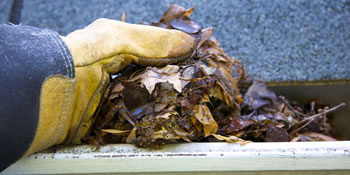
The autumn is a particularly bad time for your home’s guttering because of leaves and twigs dropping off trees. If these clog your gutter, rainwater won’t be able to flow efficiently.
Fortunately, dealing with the issue is something you can do yourself. First off you’ll need a ladder long enough to reach the gutter and you’ll then need to clear out the debris and even rinse with a hose pipe to ensure everything has been removed. This is easy enough and you should always consider this at least once a year.
By not sorting out your gutter you risk structural damage to the home and a leak could be caused from the water which has nowhere to drain. If you have any worries about your roof or gutter, then you could call in a professional guttering installer to take a look and ensure you’re prepared for the winter.