
Installing a Block-Paved Half Driveway in Lytham St. Annes
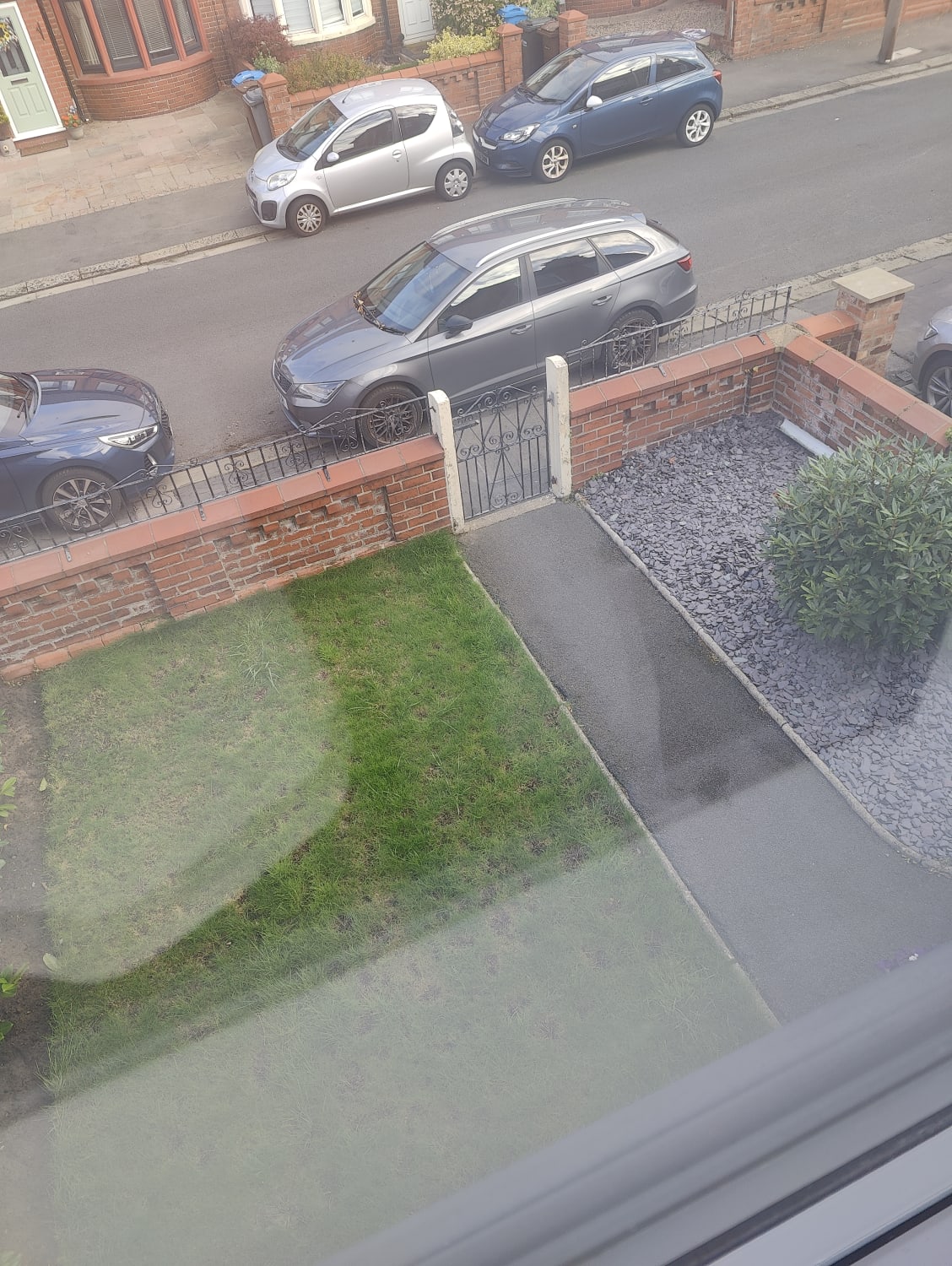
I want to create a half driveway in block paving in the front garden, which currently has a brick fence, a small gate, and a pathway. I’ll probably also need to lower the curb. Do I need council permission for that?
Steps to Create a Block-Paved Driveway
Installing a block-paved driveway involves planning, preparation, and professional installation. Here’s an outline of the process:
1. Planning and Design
- Site Assessment: A contractor will assess the front garden, considering its size, layout, and existing features like the brick fence and pathway.
- Design: Choose the block paving style, pattern, and colour to complement your property’s aesthetics. Common patterns include herringbone, basketweave, or stretcher bond.
- Drainage Planning: Ensure compliance with regulations requiring proper drainage to prevent water runoff onto public roads.
2. Removal and Preparation
- Removing Existing Features: The brick fence, gate, and pathway will be removed to make way for the driveway.
- Excavation: The ground will be excavated to a depth of 150–200mm, depending on the sub-base requirements.
- Sub-Base Installation: A layer of MOT Type 1 aggregate will be compacted to provide a stable foundation.
3. Laying the Block Paving
- Edge Restraints: Kerbs or edging stones will be installed to define the driveway’s borders and prevent movement of the blocks.
- Sand Layer: A layer of sharp sand is spread and levelled to create a smooth base for the blocks.
- Laying Blocks: The chosen paving blocks are laid in the desired pattern, ensuring tight joints between each block.
- Compaction: The blocks are compacted using a vibrating plate to secure them in place.
- Jointing Sand: Kiln-dried sand is brushed into the joints to lock the blocks together and provide stability.
4. Curb Lowering (Dropped Kerb)
- Council Permission: Lowering the curb requires permission from your local council. You’ll need to apply for a dropped kerb permit, which usually includes an inspection and a fee.
- Approved Contractors: Most councils require that the work is carried out by approved contractors to ensure compliance with safety and highway regulations.
Costs for Block Paving and Curb Lowering
The costs for a project like this can vary based on size, materials, and additional work required:
- Block Paving: £50–£100 per square metre, including materials and installation.
- Curb Lowering: £800–£1,500, depending on the council’s requirements and the extent of work needed.
For a half driveway of approximately 20–25m², expect total costs to range from £2,000 to £4,000, including paving and curb lowering.
Local Council Requirements
In Lytham St. Annes, you’ll need to contact the local council to apply for a dropped kerb permit. The process involves:
- Submitting an application with a site plan showing the proposed driveway and curb work.
- Paying a fee for the application and inspection.
- Using council-approved contractors for the curb lowering.
It’s important to get approval before starting any work, as unauthorised curb alterations can result in fines or additional costs to restore the area.
Local Driveway Installation Services in Lytham St. Annes
Homeowners in Lytham St. Annes and surrounding areas like Blackpool, Kirkham, and Fleetwood can rely on local professionals for driveway installation and curb lowering. These experts ensure compliance with council regulations and deliver high-quality results.
Contact specialists in driveway installation in Lytham St. Annes for a detailed quote. For additional services, explore block paving contractors in Lancashire.
Long-Term Benefits of a Block-Paved Driveway
Installing a block-paved driveway enhances your property’s functionality and curb appeal. Block paving is durable, low-maintenance, and customisable, making it a long-lasting and attractive solution for your front garden. With proper drainage and regular care, your driveway will remain in excellent condition for years to come.
