27 Sep
Damp Proofing
Insch - AB52
Enquiry from: Sarah P
Start Date: Immediate
Quote for dry rot treatment plus solution for damp solum



Extensions including garage conversions will usually require additional damp proofing to be installed through the conversion, as the existing garage normally has a single skin design for walls and floors, which was not built to conform to building regulations for habitable rooms. This damp proofing should be added to walls and floors. Furthermore, the roofing of the garage conversion will require water proofing. The damp proofing for the floor of the garage conversion will usually be performed by by using a damp proof membrane. This membrane is available in either solid or liquid form. The damp proof membrane will be put down either on top of the pre-existing concrete floor, underneath the new floor, or as part of both, depending on whether the floor will be a solid or a floating floor. In a few garages, the walls will have already been damp proofed, but this may have to be improved as part of the conversion in order to meet current building regulations. The walls should be damp proofed to be able to safeguard the brickwork from rotting gradually as moisture sets in. This is carried out by either applying damp proof membranes, waterproof rendering, or cavity insulation, depending on the type of walls already present in the garage. Damp proofing is an important part of the building regulations that the garage conversion should comply with, therefore is it important to ensure that your garage conversion makes use of appropriate damp proofing methods.
The average cost of Damp proofing is £1500. Costs vary based upon the materials and the organisation selected. The upper price range can be as high as £1725. The material costs are in general about £375
| Avg. price low | Avg. price low |
|---|---|
| Avg. price | Avg. price |
| Avg. price high | Avg. price high |
£1900
£1425
£950
£475
£0
| Labour cost | £1,050 | |
| Material cost | £375 | |
| Waste removal | £75 |
Searches that showed one of our pages for Aberdeenshire, all services
Searches that showed our Damp proofing page for Scotland
Searches that showed our page for Inverurie
Insch - AB52
Enquiry from: Sarah P
Start Date: Immediate
Quote for dry rot treatment plus solution for damp solum
Peterhead - AB42
Enquiry from: Jackie P
Start Date: Immediate
Farmhouse with damp in lower floor plus 1 room on upper floor
Property: detached
Aberdeen - AB23
Enquiry from: Sam O
Start Date: Immediate
Damp ceiling needs to be sorted out
Inverurie - AB51
Enquiry from: Ellen F
Start Date: Immediate
Damp in bedroom corner - gradually creeping up resulting in plaster falling off walls
Answer a few quick questions, so we can match you with local damp proofing specialists who can help.
Get free, no-obligation local damp proofing quotes from 4 verified damp proofing specialists working in Aberdeenshire.
Compare customer reviews, services and prices, and choose the right tradesperson for you.

He gave me a call within a couple of of hours
Promptly allocated the correct trade
Very efficient and prompt service
Damp is a serious problem, particularly if you live in an old property, because it can lead to structural damage. This will cost you big money and could be very dangerous, to yourself and the property. Take damp seriously and get it inspected and resolved as soon as you discover it!
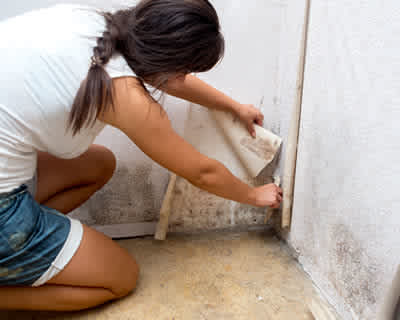
There are a few visible signs of damp, although it often goes undetected. However, in older or empty properties, this made become detectable through its smell. These include peeling paint and wallpaper, crumbling plaster, mould growth, black spots or spores on walls and ceilings, and rotting skirting boards and flooring.
Signs of rising damp tend to be close to the ground, usually no higher than a metre. It usually works its way up walls in horizontal lines. Penetrating damp usually develops in patches and can often be much higher up. For more advice, speak to a damp proofing professional.
You should make sure that all signs of damp have gone before you redecorate your walls. If you want to paint your walls with a water-permeable emulsion paint, you can usually do this after 1 or 2 months. For other types of decoration you should wait longer.
We can help you get more damp proofing work with our qualified job leads and boost your business.
Join today