17 Feb
Asbestos | Removal
Woodhall Spa - LN10
Enquiry from: Richard S
Start Date: Immediate
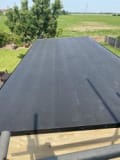
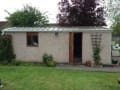
single garage roof asbestos and 6 7 sheets in larger profile


Over 558 reviews & an average rating of 4.7/5 stars, you'll find the right pro
Use the shortlist button to select up to 4 tradespeople, enter your project details and press send
Get up to 4 quotes from local Asbestos Removal Contractors near you





Woodhall Spa - LN10
Enquiry from: Richard S
Start Date: Immediate
single garage roof asbestos and 6 7 sheets in larger profile
Woodhall Spa - LN10
Enquiry from: Paul W
Start Date: Immediate
i need a small external asbestos chimney removed from side of a single storey dwelling. i think it’s a 6” flue. are you the property owner: owner of the property what level of service do you requi...
Woodhall Spa - LN10
Enquiry from: Jim H
Start Date: Less than one month
internal asbestos roof board, single garage but double length are you the property owner: owner of the property what level of service do you require for the asbestos: asbestos removed property type: d...
Woodhall Spa - LN10
Enquiry from: Ann P
Start Date: Immediate
Enquirer: Property Owner General information: Log store 8x10
Woodhall Spa - LN10
Enquiry from: David C
Start Date: Immediate
removal of chrysotile acm from roof void (70m2) and cement double skinned perimeter and partition walls (total 150m2) and replacement with traditional building materials
Woodhall Spa - LN10
Enquiry from: John M
Start Date: 1 to 3 months
Garage removal Time scale: 1-3 months Please call to appoint
Woodhall Spa - LN10
Enquiry from: Neal J
Start Date: Immediate
8x chicken sheds to remove at about 30 ft x 50ft
Woodhall Spa - LN10
Enquiry from: David R
Start Date: Less than one month
I have two barn doors to be removed. They have been removed from the barn. They have been sprayed with a foam rigid system. Don't know if there is any asbestos on them. Just want rid of them.
Woodhall Spa - LN10
Enquiry from: Helena N
Start Date: Immediate
Removal of asbestos garage roof
Woodhall Spa - LN10
Enquiry from: Graham P
Start Date: Immediate
remove single garage roof
If you're thinking about having your asbestos tested or disposed of, you have 2 options - either you take on the task yourself or you call a trustworthy asbestos company for assistance. If you do not have enough time on your plate or maybe, you're not confident adequate to perform this project by yourself, after that you would certainly have to reach out to an professional and naturally, it comes with a expense. .
The final price charged by asbestos specialists is, nonetheless, not repaired as it depends on lots of elements. These factors work to reduce or raise the price of disposing of asbestos. The aspects include the sort of asbestos product that needs to be removed, if the product can be enveloped rather than disposed of, if the product has been sampled and tested, the place where the jobs would be performed, size of the location, the ease of access of the asbestos, if various other sites users or neighbours will certainly be influenced in addition to the kind of the building be it property, business, commercial.
With a wide variety of important things to put into factor to consider, it's as a result important to call in a certified, qualified and also expert asbestos elimination firm to provide a reasonable quote for your special task. Normally, in the UK, you can anticipate to pay the approximate expense of around £1000 or much less for smaller sized areas. Nevertheless, for larger areas the expense of removing such an asbestos will certainly cost you significantly extra. The expense can be within the series of £2500 and also above in the UK.
These costs might seem high at first however it's absolutely worth it when you look at it's possible result on the health and wellness of you as well as your loved ones.
View our Asbestos Removal Contractor cost guide View our Asbestos Removal Contractor advice| Asbestos Removal Contractor job | Asbestos Removal Contractor cost in 2026 |
|---|---|
| Asbestos removal in Woodhall Spa | £600-£920 |
| Asbestos survey in Woodhall Spa | £150-£230 |
Asbestos is basically a naturally occurring fibre which, until the 1990s, has been a commonly used material in construction and other industries. There are three major kinds of asbestos fibres in the UK and they include crocidolite or blue, amosite or brown as well as chrysotile or white.
Before it’s life threatening potentials were exposed, asbestos was commonly used across the globe in buildings and structures as a means of insulation, roofing, flooring and was also sprayed on ceiling as well as walls. Upon the discovery of its hazardous features however, it has been swiftly banned in the UK but it may still be discovered in buildings and structures that have been erected before the year 2000.
In the event whereby a building or structure possesses asbestos within them, it can pose only a little risk but only if they remain undisturbed. It’s only when they’re disturbed or damaged that the tiny asbestos fibres are usually discharged into the air and can be easily inhaled into the lungs. Breathing in of asbestos is a very harmful thing as the fibres can have a terrible impact on your lungs and their linings. What’s more? Asbestos-related health conditions’ symptoms normally takes several years to surface which means that an exposure to the deadly substance many years ago may only start to show symptoms today. Therefore, if you’ve worked in a building or construction industry especially within the time period of 1970s to 1990s, there is a real chance that you’ve been exposed to asbestos. This type of jobs include ship building, construction and insulation projects, but this doesn’t necessarily imply that asbestos exposure can not occur in other jobs as well.
The deposits of asbestos are commonly found in both rocks and soil throughout the globe. Historically, this material has been incorporated for more than 4,500 years for a number of purposes by our ancestors. However, mining of asbestos in large scale started only in the 1870’s in Quebec, Canada. It only took about a decade after this commencement before other countries picked the trail and also began the production of asbestos for industrial uses as asbestos rapidly grew to become an ubiquitous phenomenon across many nations of the world such as the USA, Russia, Italy as well as South Africa.
Today, several countries have placed a total ban on the production as well as exportation of asbestos as a result of the harmful fibre it contains. Asbestos has been discovered to be a life threatening material which when disturbed, it releases a harmful fibre that can lead to a number of serious health issues if inhaled over a long period of time. Most recently in 2019, the material was popularly banned in Canada, who for several years has operated the world’s largest mine of asbestos in Quebec.
Despite how harmful the material is, it’s however still being mined in some countries with some of its exporters being Russia, Kazakhstan, China as well as Brazil, with Russia taking the lead, covering for over 53 percent of the world’s total production.
Contrary to many beliefs, asbestos is not a man made material but a group of six types of naturally occurring fibrous minerals that are commonly found in rock and soil which are collectively known as asbestos. These minerals are primarily composed of both silicon and oxygen but also includes other minor elements.
How To Remove Asbestos
Asbestos are naturally occurring fibrous material that used to be incorporated into fabrics or mixed with cement for insulation purposes be it electrical or building. As it’s highly dangerous and life threatening if disturbed, the material has been in the UK since 1999, however there are some exceptions. If you happen to reside in a house that has been in existence prior to 1980, then there is a chance your house contains some asbestos. You may discover it in your home when carrying out some DIY tasks or renovation. And once you do, you should waste no time in having it removed as the longer you’re exposed to it, the more life threatening it becomes.
Removal of asbestos is a task you should never try to do by yourself as it becomes harmful when disturbed. In an event whereby you suspect something to be asbestos, do not touch but rather have it isolated and call in a specialist for help. So it’s therefore not recommended to attempt asbestos removal as a DIY project unless you’re are experienced in the techniques below:
✓ Before you get started, it’s crucial to wear the necessary protective gear. These include wearing a respirator, a disposable coverall, disposable rubber gloves, rubber boots as well as safety eye goggles. And ensure that you remove all protective gear clothing and gear before exiting the containment area.
✓ Remove the materials and place in asbestos waste disposal bags
✓ Ensure to remove the asbestos without breaking it up.
✓ Make use of double bag and seal all debris containing asbestos.
✓ Wipe down all surfaces with a damp cloth
✓ Fold and roll the polyethylene sheeting on the floor and dispose them same way as the debris - double bag and seal.
✓ Clean all tools and equipments used.
✓ When done, ensure to wash face, hands and bathe thoroughly.
Asbestos refers to a group of minerals made up of tiny fibres. If you become exposed to these fibres and breathe them in, you’re at risk of contracting a dangerous lung-related disease.
Asbestos is strong and a good insulator, which means it was previously used to insulate and reinforce parts of buildings, like ceilings, roofs and guttering. Its use has been banned in the UK since 2000, but it is still present in lots of domestic and commercial buildings today.
Asbestos usually only poses a health risk if the material it’s contained in is damaged and its fibres are released into the air.
Being a commonly used building material in the 1950’s to about 1990’s, asbestos is very popular back in the days and used for almost every roofing project because of it fire resistant properties. They’re mostly mixed with cement and are known to last for over 4 decades.
Due to the harmful properties found in asbestos, the material was totally banned in the UK since the year 1999. It’s found that when disturbed, asbestos releases some fibres which when inhaled can result in some deadly health conditions such as lung cancer and asbestosis, which are all fatal. These diseases are mostly not detected until several years after the first exposure to the asbestos fibres, which makes them even more deadly. Hence, it’s crucial to know how to identify asbestos roof tiles so you can have them removed by a professional immediately. In this article, we’ll show you what you can look out for to identify asbestos roof tiles. Let’s take a look!
Asbestos roof tiles are typically square shaped and they also generally possess a combination of grey and black colour. Although asbestos can feature a number of colours based on the kind of material you mix with it. In truth, asbestos can be very tricky to identify, when disturbed not only are their fibres totally invisible to the naked eye but they’re also completely odourless. This implies that you may not even be aware that you’re exposed to such harmful material for a prolonged period of time. In order to accurately identify asbestos roof tiles, the only thing you can possibly do is to call in a UKAS accredited laboratory to have them tested. This way, you’ll have a peace of mind knowing the result will point you in the right direction.
An asbestos survey is a property inspection to check for the presence of asbestos. A professional will go around your building and look at and take samples of any materials that they think may contain asbestos. These will then be tested to see if asbestos is present.
There are two types of asbestos survey, a Management Asbestos Survey and a Refurbishment and Demolition Asbestos Survey. A Management Asbestos Survey is mainly conducted to check if any materials containing asbestos pose a risk to inhabitants during everyday use of a building. A Refurbishment and Demolition Asbestos Survey is designed to check for any asbestos exposure risks before building work is started on a property.
What Does Asbestos Cause?
The perfect example of a silent killer is asbestos. Wonder why? From the day of exposure, you might not see any symptoms of the asbestos containing material disease till years later and more often than not, these disease are not treatable. And as dangerous at it is, it’s most likely not something you’d think about on a daily basis unless you’ve been affected by this harmful material or probably someone you know has.
Found in rocks and soils, asbestos have been an important material for manufacturers across the globe for numerous reasons. Not only are they exceptional insulation materials in both electrical and buildings, but they’re also flexible and resistant to heat, chemicals as well as electricity. And due to this fact, they represent a very common material that’s used in automotive parts, construction materials as well as textiles.
Asbestos when disturbed and inhaled for a long period of time can significantly increase your risk for diseases such as lung cancer, mesothelioma as well as asbestosis. Smokers are more likely feel a greater impact as cigarette smoke irritates lung passages which makes it a lot more difficult for the lungs to remove asbestos fibres.
Mesothelioma. This is a form of cancer that affects the lining of the lungs as well as the lining surrounding the lower digestive tract. By the time diagnosed, it’s almost always fatal.
Lung Cancer. This asbestos related lung cancer is almost the same with that caused by smoking and other causes.
Abestosis. This is a serious scarring condition of the lung which usually occurs after exposure to asbestos after a lengthy period. It can lead to shortness of breath, and in some cases, can be fatal.
Asbestos fibres are very small, so they’re not possible to identify with the naked eye. However, they’re common in particular materials of a certain age, so you can work out if there are any parts of a building that are likely to contain asbestos.
Start by checking the date that the material you suspect contains asbestos was installed. If it was in 2000 or after then you don’t need to worry, it definitely doesn’t contain asbestos. However, if it was fitted before 2000 it may contain asbestos, particularly if this was between 1940 and 1980.
Materials that used to commonly contain asbestos include ceiling tiles, guttering, soffits, fascia, external cladding and facades, vinyl flooring, artex, cement roofs and insulation.
Answer a few quick questions to help us match you with the right Asbestos Removal Contractor
Receive no-obligation quotes from 4 Asbestos Removal Contractors working in Woodhall Spa.
Compare prices, customer reviews and services, and hire the right Asbestos Removal Contractor.
View our open Asbestos Removal Contractor jobs near you
Join today

