

15 Oct
Porches
Totnes - TQ9
Enquiry from: Susan W
Start Date: Immediate
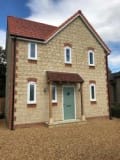
Small Porch on Front of house UVPC


Over 46 reviews & an average rating of 4.6/5 stars, you'll find the right pro
Use the shortlist button to select up to 4 tradespeople, enter your project details and press send
Get up to 4 quotes from local Builders near you




Totnes - TQ9
Enquiry from: Susan W
Start Date: Immediate
Small Porch on Front of house UVPC
Teignmouth - TQ14
Enquiry from: Romany N
Start Date: Immediate
First floor extension on top of an existing ground floor room. Have planning permission
Totnes - TQ9
Enquiry from: Florence P
Start Date: Immediate
Cavity wall insulation of three outside walls and possibly roof insulation too
Teignmouth - TQ14
Enquiry from: David T
Start Date: Less than one month
Submit your free quote for rated tradespeople
Brixham - TQ5
Enquiry from: Nik L
Start Date: Immediate


We have an existing garage conversion to an office which was done approx 5 years ago. Part of the room is a diagonal void behind which the gas meter used to sit. We now have a heat pump and the gas is
Sidmouth - EX10
Enquiry from: Tony H
Start Date: Immediate
Repairs to some of the paving stones grouting to a communal area affecting 5 houses
Paignton - TQ3
Enquiry from: Stevie Y
Start Date: Immediate
Installation, house extension, upvc double glazing
Torquay - TQ1
Enquiry from: Susan M
Start Date: Immediate
One wall paneled in a bedroom
Paignton - TQ4
Enquiry from: Peter M
Start Date: Immediate
4 x 3 kitchen extension. Removal of existing kitchen window and lower wall. Probable resite of external grid. Concrete tile roof. uPVC soffits windows and door. Reposition of cold water feed from old
Ottery St. Mary - EX11
Enquiry from: Tim T
Start Date: Immediate
We currently have a garage, we would like an extra floor on top of the garage and a living space room in it
Exmouth - EX8
Enquiry from: Peter M
Start Date: Immediate
Builders waste removal/ general household waste
How much do Builders cost? Prices for Builders in 2026 can fluctuate relying on the sort of work that you need to have carried out in your residence.
Are you planning to erect a new house or structure? If yes, then you’d probably want to know just how much it’ll take to get the project over the line to help you set a budget and start to plan. Building a new house is requires huge financial investment and as a result, there’s the need to carry out your due diligence before you proceed. In this post, we’re going to give you an insight into the prices charged by builders to erect a new home or structure.
First and foremost, like every other home project, the price charged by builders to construct a new house or structure depends on a wide range of factors. These factors include the size, location, accessibility as well as qualifications of the builders you wish to employ just to mention a few. For instance, you’d expect the cost of building two-storey in London to be a lot more expensive than the price of a one-story building in Scotland. However, we’ll try our best to give you an idea of the price range you can expect to incur to complete your project.
In general, a builder will charge within the range of £10 to about £15 per hour on the average. For small building projects which includes wall and foundations repairs, a builder will typically charge about £11 per hour. However, the price charge will depend on the extent of the job due to the fact that simple tasks such as repointing only costs about £10 per hour, while laying new foundations can cost up to £15 per hour.
The table shows the types of work that Builders typically do and the average cost range of these tasks. Some tasks take longer to finish than others so prices do fluctuate by job.
View our Builder cost guide View our Builder adviceIf you’re planning to construct a kitchen diner extension, to help you set a budget and start planning you must first have a cost estimate that’ll complete the entire project. If not, there’s a probability that you may have to spend more than would have been necessary or probably break the bank to have the project done. In truth, there’s no single and short answer to this question as the cost of a kitchen diner is largely dependent of several variables. In this article, we’re going to give a good insight into kitchen diner extension cost so as to help you make informed decisions moving forward. Let’s take a look!
On the average, a kitchen diner extension will cost within the range of £25,000 to about £45,000, however if you happen to reside in London, you can expect the cost to be a lot more than that - closer to £60,000. And due to the fact that there happens to be a plethora of options out there, any decision to make be it on the size, tradesman, flooring, finishes or type of the kitchen diner extension, will have a considerable impact on the overall cost of the project. For instance, a basic kitchen diner extension cost can be within the range of £12,000 to about £15,000., while a high end kitchen diner extension can reach a whooping price between £80,000 to about £100,000.
The total cost of your kitchen diner project will rely heavily of the size as well as the quality of the finishes. For example, a kitchen diner extension that’s small and basic is likely to cost about £1,300 to £1,500 per square metre. However, if you’re going for higher quality finishes, you can expect to pay within the range of £1,900 to about £3,000 per square metre.
Driveway surfacing materials like concrete, asphalt and clay brick usually crack because they’ve been exposed to extreme temperatures or put under high pressure. It’s important to repair driveway cracks before they get worse and cause damage to vehicles and perhaps others to trip on raised cracks.
The best type of insulation for your property will depend on the type of walls and any insulation that’s already present. It’s usually a good idea to have some form of wall insulation as well as loft insulation, as this helps to prevent heat loss in both areas.
Over the years, garden rooms have gradually become a popular choice amongst homeowners as a cost effective way of expanding living space within a home or property. A garden room is basically a living space and a type of pavilion building made from wood that’s well insulated, double glazed as well as electrically wired. It’s however a building which is subsidiary to the main one, built with the purpose of creating an extra functional space within the property. These garden outbuildings are very functional and can be used as a garden studio, office, salon and much more. They can also be incorporated for recreational purposes for evening relaxations, family and friends get-together, lounge or even spa. Other possible uses of a garden room include gyms, pool houses, playrooms, dens, home cinemas and game rooms.
Garden rooms are functional living spaces that are usable throughout the year. And with the rate at which their popularity is growing, you’ll find some companies offering cheap and low quality alternatives featuring shed like construction and felt roof. Garden rooms, on the other hand, are a valuable investment with superior designs and top notch build. They’re constructed in a very similar way to houses with timber frames. Furthermore, they are fully insulated and can also include the normal building solutions such as heating and running water, electricity and many more depending on the requirements of the home or property owner. With the durability of garden rooms being a major objective, they’re typically clad in natural solid timber like Cedar, Larch or Acacia. Materials such as EPDM rubber or cedar shingles are normally used for the roof covering. What’s more? They usually have large expanses of glazing and glazed doors fitted.
Is there a hole in your asphalt driveway you feel you can repair yourself? If it’s something you know you can confidently do then this step by step guide is just for you. If otherwise, then we’d recommend you hire the services of a reliable professional who can guarantee the best results while also saving you some time and extra money that could result from possible errors. In this article, we’d go over the reparation process of an asphalt driveway with a hole in it.
✓ Get the necessary tools. You’re going to need a broom ( to clean the area), caulking gun ( to fill the hole), a hand tamp a plate compactor or a hammer ( to level the filled in hole) and a weeding glove (just in case there are weeds growing in the hole).
✓ Prepare the area. Do this by weeding the plants or weeds that might have grown inside the hole and identify your asphalt filler.
✓ Wet your soil, if necessary. It’s important to note that this is only necessary if your soil is dry to help the filler stick properly.
✓ Fill in deep holes. If the hole goes down about 3 to 4 inches or more, simply fill it with any material like rocks, clay etc.
✓ Apply the asphalt filler. Fill the hole with the asphalt filler to about half an inch higher than the surface of the driveway.
✓ Level the filler. For a large hole, make use of a plate compactor or a hand stamp, but a hammer will be sufficient for smaller holes.
✓ Cover the hole, if necessary. If your home isn’t level, covering your hole with a piece of plywood is advisable.
✓ Clean off the seal. After the asphalt looks done and in place, simply brush away the debris from the seal to finish off the project.
It depends on the size and type of extension. Small porches or flat roof extensions are very reasonably priced. More substantial two storey extensions can be expensive. In general, the price is roughly proportional to the amount of space you add to your home.
Presenting with its unique sets of components, the price for every house renovation project varies considerably. Though giving a proper price for the house renovation is not possible, you can generally expect to pay anything between £40,000 and £75,000 for renovating a three-bedroom house.
You must list out all the changes needed since renovation comes with several potential costs. This makes it easier for you to calculate the renovation costs and start planning your budget accordingly.
Let us take a look at some of the crucial factors that affect the cost of renovating a house
• Property size
• Property’s condition and age
• Complexity oof the job
• Structural work
• Building extension work
• The quality of materials, fixtures and finishing
• Decoration
• Location
When it comes to renovating a three-bedroom house, the average cost is around £ 57,000. A new gas supply will cost you around £1,500, depending on the route of the supply. There may other additional costs involved if you are looking to do any work to extend the gas supply line.
The cost of rewiring a house is in the region of £5,750. That price will also be dependent on the complexity of the electrical systems in your house and the size. If you are looking at installing a new set of windows, it can cost you up to £6,000, with the average cost being about £4,250. Replastering walls will add another £2500 to the total budget. A new kitchen will set you back around £7,000, on average including the cost of design, materials and installation. Most renovations will need a new bathroom. Installing a new bathroom will cost you around £4,250.
Patios do not require lots of maintenance. They will only need occasional cleaning to make sure that the material keeps its original appearance. It's always best to clean your patio with a pressure washer and occasionally tap each slab or brick just to check the sand underneath hasn't washed away.
Answer a few quick questions to help us match you with the right Builder
Receive no-obligation quotes from 4 Builders working in Dawlish.
Compare prices, customer reviews and services, and hire the right Builder.
View our open Builder jobs near you
Join today

