

10 Apr
Insulation | CERO Free
Carmarthen - SA32
Enquiry from: Paul B
Start Date: Immediate
we are looking for insulation for our recently constructed house time scale: immediate please call to appoint


Over 9 reviews & an average rating of 4.5/5 stars, you'll find the right pro
Use the shortlist button to select up to 4 tradespeople, enter your project details and press send
Get up to 4 quotes from local Builders near you




Carmarthen - SA32
Enquiry from: Paul B
Start Date: Immediate
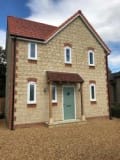
we are looking for insulation for our recently constructed house time scale: immediate please call to appoint
Carmarthen - SA32
Enquiry from: Letchuman S
Start Date: Immediate
need to insulate conservatory are you the property owner: owner of the property property type: detached how many bedrooms do you have: 3-4 bedrooms property age: 1970-2000 please call to appoint
Carmarthen - SA32
Enquiry from: Letchuman S
Start Date: Immediate
insulation of conservatory are you the property owner: owner of the property property age: post-2000 property type: detached how many bedrooms do you have: 3-4 bedrooms please call to appoint
Carmarthen - SA32
Enquiry from: G
Start Date: Immediate
4x3 utility and bathroom extension on a bungalow, not wanting to start work before April
Carmarthen - SA32
Enquiry from: Nia T
Start Date: Immediate
Quotation and advice on a possible lift conversion
Carmarthen - SA32
Enquiry from: F A
Start Date: 3+ months
Install air source heat pump Are you the property owner: Owner of the property How many bedrooms do you have: 3-4 Property Age: 1900-30 Does the property have external wall space available: Yes What i...
Carmarthen - SA32
Enquiry from: C
Start Date: Immediate
Sound proofing of a small boiler room, which has a noisy heat pump. The noise is currently travelling through the ceiling to a bedroom which is directly above and also to rooms nearby. The dim...
Carmarthen - SA32
Enquiry from: H M B
Start Date: Immediate
Semi detached bungalow ex ministry of defence property - Approx Date: 22/10/2015 - Type of Property: Other - Purpose of Request: Find and Pick
Carmarthen - SA32
Enquiry from: Steven J
Start Date: Immediate
Customers own description of work to be carried out: Loft fitting of insulation only materials supplied Are you the property owner: Relative of Owner How many bedrooms do you have: 5+ Do you curren...
Carmarthen - SA31
Enquiry from: Gurpreet G
Start Date: Immediate
New Shutter fitting and stairs
Ammanford - SA18
Enquiry from: Gareth T
Start Date: Immediate
Quote for loft insulation
Pencader - SA39
Enquiry from: John R
Start Date: Immediate
needs dyed sand and sealing
Llanelli - SA14
Enquiry from: Joyce R
Start Date: Immediate
Roof insulation to reduce heat in summer. Even a new roof need advice
Llanybydder - SA40
Enquiry from: Amy H
Start Date: Immediate
Looking to upgrade fitted wardrobes in one room & get new fitted wardrobes in another room
Llanelli - SA14
Enquiry from: Luke P
Start Date: Immediate
External wall insulation
Carmarthen - SA33
Enquiry from: Andy H
Start Date: Immediate


New Build Screed on Ground & 1st Floor 200m Approx area.
Llanelli - SA14
Enquiry from: Marlene T
Start Date: 1 to 3 months
i have pattern imprinted concrete in my front garden. the concrete is slowly breaking up due to frost damage. i would like to remedy this problem with the help of is p i c specialist are you the prope...
Llanelli - SA14
Enquiry from: Marlene T
Start Date: Immediate
I have pattern imprinted concrete in my front garden. The concrete is slowly breaking up due to frost damage. I would like to remedy this problem with the help of is P I C specialist
Llanelli - SA14
Enquiry from: Clare P
Start Date: Immediate
Conservatory roof insulation
Llanelli - SA14
Enquiry from: Michael K
Start Date: Immediate
mr requested quotes for cavity wall insulation from a builder around llanelli. they are considering a couple of projects at the moment.call anytime to arrange appointment to discuss. the information b...
How much do Builders cost? Prices for Builders in 2026 can fluctuate relying on the sort of work that you need to have carried out in your residence.
Are you planning to erect a new house or structure? If yes, then you’d probably want to know just how much it’ll take to get the project over the line to help you set a budget and start to plan. Building a new house is requires huge financial investment and as a result, there’s the need to carry out your due diligence before you proceed. In this post, we’re going to give you an insight into the prices charged by builders to erect a new home or structure.
First and foremost, like every other home project, the price charged by builders to construct a new house or structure depends on a wide range of factors. These factors include the size, location, accessibility as well as qualifications of the builders you wish to employ just to mention a few. For instance, you’d expect the cost of building two-storey in London to be a lot more expensive than the price of a one-story building in Scotland. However, we’ll try our best to give you an idea of the price range you can expect to incur to complete your project.
In general, a builder will charge within the range of £10 to about £15 per hour on the average. For small building projects which includes wall and foundations repairs, a builder will typically charge about £11 per hour. However, the price charge will depend on the extent of the job due to the fact that simple tasks such as repointing only costs about £10 per hour, while laying new foundations can cost up to £15 per hour.
The table shows the types of work that Builders typically do and the average cost range of these tasks. Some tasks take longer to finish than others so prices do fluctuate by job.
View our Builder cost guide View our Builder adviceIt shouldn’t do. Most companies will do all the interior work first, and the last job to do will be creating the opening from the house to the conversion. A reputable company will make sure they cause as little disruption as possible during this time.
Rendering is an external wall’s plastered finish which provides a smooth finish while also protecting the brickwork from the elements like rain, snow and the likes. The traditional rendering is normally applied in two or three coats which enables it to be more resistant to surface cracks. In modern times, the finishes are largely different from the grey pebble dash of post war housing. Today, we now have a plethora of specialist products to pick from such as through-coloured silicone renders as well as one coat renders. The types of renders include the following:
✓ Cement renders. These are the common option that are usually mixed on site and used in a number of applications, then painted when dried. There’s a need to paint this type of render regularly to keep them looking great.
✓ Polymer renders. These are pre mixed and mostly pre coloured (usually with through colouring).
✓ Through-coloured products. These rendered do not need to be painted as the pigment is already added in the manufacturing process to colour the whole render.
✓ Lime renders. These are superior to cement as they’re less likely to trap moisture in the brickwork and also more good looking. However, they’re generally more costly and more difficult to apply.
Overall, rendering on a house provides several benefits. Not only is it able to protect your brickwork against the elements like the rain and wind, but it can also make the building more efficient. Being fully aware that about 30 percent of the energy used in heating a home is lost via the external walls, making use of a product such as acrylic insulated render is a smart approach to improve your home’s energy efficiency without affecting your interior living space.
How To Plasterboard A Brick Wall
Do you want to cover your brick wall with plasterboard? The key to success here is the preparation. You must ensure that brick wall is prepared well enough to receive the plasterboard. To get started, there’s the need to attach wood furring strips to the wall which serves as studs in a wood frame structure. This way, the plasterboard will be prevented from getting in touch with the brick. You can always hang pictures or any other forms of decoration in between the gap between the walls. Let’s have a look!
lAttach Furring Strips
• Get a 2 inch by 4 inch wood stud and apply a bead of construction adhesive.
• Using a masonry bit, drill a pilot hole through the wood stud’s base as well as the brick wall.
• Hit a 3 inch fluted nail through the hole using a sledgehammer
• Using a construction adhesive, bind a horizontal 2 inch by 3 inch stud to the upper edge of the wall.
• Using an adhesive, bind the length of a 2 inch by 3 inch stud on its wide side.
• Use a masonry drill to drill a hole on the wood stud and 1 1/2 inches into the brick wall.
• Hit a 3 inch fluted nail through the pilot hole.
lApply Plasterboard
• Hold a plasterboard sheet against the furring strips.
• Use plasterboard screw to hold the drywall sheets in place.
• Use fibreglass to cover the joints where the two plasterboard sheets meet.
• Use a thin layer of the joint compound on the tape. Once done, screw it using a 6 inch taping knife, then allow to dry overnight.
• Use a sandpaper to smooth the joint compound.
• Use a fresh coat of the joint compound to block the holes and joints. Once done, allow the compound to dry.
• Use a light sandpaper to smooth the final coat.
Plasterboarding a brick wall is a simple task but the preparation part must be done right to protect your investment. Therefore, we’d recommend you hire the services of a skilful professional, who can guarantee the best results especially if you lack enough training and experience to carry out a DIY project.
Have you decided to improve your property instead of moving? The common problem most homeowners face after deciding to embark on a home extension project is not knowing where to start. In this article we’ll walk you through everything you need to consider and put in place before commencement of your home extension project.
• Is the extension worth it?
Before breaking the bank, you must be sure that the project will add good value to your home. In terms of “value, this is not only limited to the financial gain after disposal of the property, but also several other juicy benefits to be derived from extending your home like an extra living space for the household to spread out and more.
• Do you need a planning permission?
Check with your local authority to determine whether or not you’ll require to submit an application. You can also consult a building expert like an architect for advice.
• What are the building regulation?
Even though planning permission can be dodged, you can not avoid building regulations. These regulations are the set national minimum standards for construction and design which you must comply with to ensure the safety of the individuals in and around it.
• Who will design the extension?
You have to decided whether you’ll hire a professional architect to design the extension or not.
• Who will manage the building work?
If your home extension project is designed and built by a professional company, they’ll be responsible for the management. However, if you decide to use an architect or designed it yourself, you’ll have to hire a main contractor to manage the build.
• How to set the budget?
There are so many factors that can affect the cost of an extension, so it’s better to get the costs from your builder before proceeding.
• Do I need yo inform my home insurance firm?
Absolutely! This is very important as the new extension may affect the rebuilding cost of your property which could have an impact on the policy premium.
• Do I need to inform my neighbours?
It’s very important to discuss your plan with your neighbours before applying for a planning permission and communicate about the concerns they might have.
A barn conversion can be a great investment for lots of reasons. When done well, barn conversions can be great at holding their value, meaning you could sell yours for a great price. They can also look fantastic, often with period features coupled with large areas of glazing. This can make them a great place to live, especially if you enjoy being in the countryside.
However, barn conversions do have their disadvantages. They may require extensive renovation work to bring their energy efficiency levels up to standard, which can be very expensive. It’s also important to be aware of their location – they might be on a working farm or close to several other converted buildings.
It’s essential to get a survey conducted before you buy a barn you plan to convert. This can tell you about any structural problems it might have and give you an indication of whether you might be able to get permission to convert it. You can also buy barns with planning permission already in place.
There is a variety of methods available to ensure that your paving drains properly, for example draining into a lawn or soakaway. Correct drainage of paving is a requirement for planning permission. See our guide on planning permission for paving for more information.
Are you thinking about converting your garage into a new space? Be it a new bedroom, gym, library or playroom, one thing you’ll have to consider before getting started is whether or not you’re going to require a planning permission. Unlike extensions that needs additional space, garage conversion is all about changing the existing structure of a space that’s already available to you - your garage. As a result, these projects are mostly covered by a planning policy that’s a bit different.
For a garage conversion, it’s very unlikely that you’ll need a planning permission. As a matter of fact, only 10 percent of garage conversions has been estimated to need a full planning permission, with the others coming under the permitted development rights. The permitted development rights, however, only provides coverage for home improvements that’s internal which implies that so far you’re not trying to enlarge your garage, you’ll not require a planning permission. But if otherwise, you’ll have to submit an application before commencing your project.
If you’re looking to comply with the permitted development rights, then your project must comply with some specific guidelines. These rules include the following:
• The work should be internal. No plans to enlarge or extend the existing garage.
• You should make sure that the materials used in carrying out the garage conversion is the same with the materials used in building the existing house.
• The building should not be extended.
You may, however, require a planning permission if you’re going to change a detached garage into a living space which could be a bedroom, small annexe or a living room.
Some houses excluded from the permitted development rights include flats, listed buildings, some new developments and most homes in a conservation area.
Asides the questions relating to planning permission of a loft conversion as well as the total cost of completing a loft conversion project, this is perhaps the most common question on the loft conversion subject matter. Before making an investment decision, many homeowners will want to know just how disruptive a loft conversion is. Well, we’ve all heard the several horror stories when loft conversion builder with dirty boots tramples all over the fresh and just-acquired shag pile or the noise of the construction loud enough to annoy neighbours from four blocks away or an obvious shortage of teabags, sugar and lots more. Good news is, the disruption of loft conversion is not as bad as people make out. Let’s have a look at how it works!
Just like all other major building projects, a loft conversion is disruptive to your property. However, no two loft conversions are the same, therefore some are certain to be more drastic and invasive than others. In the long run, the project is worth the stress and inconveniences caused and in most cases, it’s usually a very good investment.
Normally, an average loft conversion is expected to last for about 9 to 12 weeks (depending on the complexity of the loft conversion project some might take longer). Some of the factors that affects the duration of a project includes the type of the loft, the design of the loft as well as the style of the property.
Generally, a loft conversion is a lot less disruptive than say completely moving a home. It all has to do with how you’re able to deal with it as a person. And besides, the effect it’s going to have to a large extent depends on the company you hire. A good company will always look to ensure to keep disruptions to a minimal when carrying out the loft conversion project.
Answer a few quick questions to help us match you with the right Builder
Receive no-obligation quotes from 4 Builders working in Abergorlech.
Compare prices, customer reviews and services, and hire the right Builder.
View our open Builder jobs near you
Join today

