14 May
Porches
Bridgwater - TA7
Enquiry from: Trevor U
Start Date: Immediate
An old porch taken done and new one installed. Has electric power inside. Raised at present as has stairs to entrance. These need sorting as well. This is a Park Home


Over 103 reviews & an average rating of 4.6/5 stars, you'll find the right pro
Use the shortlist button to select up to 4 tradespeople, enter your project details and press send
Get up to 4 quotes from local Builders near you




Bridgwater - TA7
Enquiry from: Trevor U
Start Date: Immediate
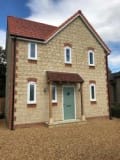
An old porch taken done and new one installed. Has electric power inside. Raised at present as has stairs to entrance. These need sorting as well. This is a Park Home
Burnham-on-Sea - TA8
Enquiry from: Glenn V
Start Date: Immediate
Standard semi loft insulation quote
Burnham-on-Sea - TA8
Enquiry from: Lewis P
Start Date: Immediate
Insulation quote as part of property sale
Weston-Super-Mare - BS22
Enquiry from: Ali D
Start Date: Immediate
Submit your free quote for rated tradespeople
Weston-Super-Mare - BS22
Enquiry from: William G
Start Date: Immediate
Dormer loft conversion with 2 bedrooms and a bathroom
Bridgwater - TA7
Enquiry from: CHRISTINE W
Start Date: Immediate
SLIDING DOORS WITH HANGING RAILS BEHIND THEM
Bridgwater - TA6
Enquiry from: Paul C
Start Date: Immediate
Installation of insulation between the eves of my roof
Burnham-on-Sea - TA8
Enquiry from: Kathy W
Start Date: Immediate
Kitchen knocking in to back lounge and a new kitchen putting in
Wells - BA5
Enquiry from: Annabel L
Start Date: Immediate
Bedroom wall adjacent to bathroom wall next door
How much do Builders cost? Prices for Builders in 2026 can fluctuate relying on the sort of work that you need to have carried out in your residence.
Are you planning to erect a new house or structure? If yes, then you’d probably want to know just how much it’ll take to get the project over the line to help you set a budget and start to plan. Building a new house is requires huge financial investment and as a result, there’s the need to carry out your due diligence before you proceed. In this post, we’re going to give you an insight into the prices charged by builders to erect a new home or structure.
First and foremost, like every other home project, the price charged by builders to construct a new house or structure depends on a wide range of factors. These factors include the size, location, accessibility as well as qualifications of the builders you wish to employ just to mention a few. For instance, you’d expect the cost of building two-storey in London to be a lot more expensive than the price of a one-story building in Scotland. However, we’ll try our best to give you an idea of the price range you can expect to incur to complete your project.
In general, a builder will charge within the range of £10 to about £15 per hour on the average. For small building projects which includes wall and foundations repairs, a builder will typically charge about £11 per hour. However, the price charge will depend on the extent of the job due to the fact that simple tasks such as repointing only costs about £10 per hour, while laying new foundations can cost up to £15 per hour.
The table shows the types of work that Builders typically do and the average cost range of these tasks. Some tasks take longer to finish than others so prices do fluctuate by job.
View our Builder cost guide View our Builder adviceRendering a house’s external walls is one of the cheapest and most effective ways by which a building can be made waterproof and also good looking. If you’re thinking about rendering your house, figuring out the cost of completion is usually one of the most important things you’ll have to consider before you proceed and if you don’t know where to start, finding an experienced tradesperson who possesses several years of experience as well as the ability to overcome the different issues that he may be faced with while on the project is paramount. If you’re able to get one, however, you should know that they rarely come cheap.
When trying to determine the accurate house rendering cost estimate , a tradesperson will put into consideration a great number of factors. Even at that, a rough estimate still requires both skills and expertise to be able to take into account all the necessary factors. In general, a typical 3 bedroom home in the UK will cost within the range of £4000 to about £5500 for a complete render job on the outside and covering from top to bottom.
Usually, the most important factor which play the biggest role when determining rendering costs is the area that’s going to be covered by the render mix. Professional contractors will provide a quote based on the rendering costs per square metre. Below are some rough estimates of rendering costs of properties depending on their size (without VAT).
✓ For a small mid terrace house of about 40 to 50 square metre, the total rendering cost estimate is £3000 to £4000.
✓ For a large mid terrace house of about 70 to 180 square metre, the total rendering cost estimate is £3000 to £5000.
✓ For a three bedroom detached house of about 100 to 160 square metre, the total rendering cost estimate is £4000 to £5500.
How Much Does A Loft Room Cost
In the event whereby you happen to run out of space in your home and extending sideways or moving out isn’t even a considerable option, the next best solution is to look upwards - the loft. The loft can be converted into a room that can used to satisfy varying purposes, be it a storage room, bedroom, home office, spare bathroom and more. There are a number of loft conversion styles you can go for including a room in loft conversion, dormer style conversion, mansard conversion, or a hip-to-gable conversion. Regardless of your choice, each of the types will not only give you new rooms to enjoy but also add value to your home. However, before getting started, it’s crucial to have an idea of the loft conversion cost to help you prepare a budget and begin planning. Here, you’ll discover the most likely loft room cost for each conversion style you opt for.
• Room In Loft Conversion
This is only suitable for some specific home, but it’s however the most affordable option of the lots. This loft conversion style will cost within the range of £15,000 to £20,000 (prices can be higher in regions where tradesmen are higher in demand such as London and the south east).
• Dormer Loft Conversion
These are relatively simple and straightforward to include in your home. The cost ranges between £31,000 to £58,000 depending on the conversion’s size and other factors.
• Hip To Gable Loft Conversion
This style of loft conversion is more complex than the aforementioned ones, hence they’re usually more costly to complete. The price ranges between £42,000 to £65,000.
• Mansard Loft Conversion
This style of loft conversion is the most complex of the lot and includes a complete overhaul of your loft. The price ranges between £45,000 to £70,000.
• Bungalow Loft Conversion
Any of the main styles above can be done to a bungalow if the planning requirements are fully complied with and if the property is suitable. The price ranges between £30,000 to £70,000.
Are you looking to pebble dash your house? This is a cool way to add a stunning new look to your home or property while also adding to its resale value should you wish to sell later on. The list of the benefits goes on, however one thing that most home and property owners would like to know before starting such a project is exactly how long it’ll take to complete it. If you’re also having similar thoughts, then you’ve come to the right place! In this post we’re going to give you an insight into the duration of pebble dashing a house. Let’s take a look!
First and foremost, just like any other home improvement project, the duration of a house pebble dashing project is affected by a number of variables. These variables include the size of your house, the company or contractor hired and lots more. In general, a house pebble dashing project should take within the range of 3 to 14 days depending on the size of your home. It should be noted that you’ll have to pay the workers on a daily basis. Most labourers will charge within the range of £140 to about £160 per labourer per day. And you should expect to have at least 2 labourers to work on your house’s pebble dashing project per day. On the other hand, the more labourer you have working on your project, the more you’re going to pay on a daily basis but this will also significantly reduce the time frame it’ll take to get the project over the line.
General construction work should be restricted to the following hours: Monday to Friday 8am to 6pm. Saturdays 8am to 1pm. Most councils advice that noisy work is prohibited on Sundays and bank holidays but you should check with your local council to confirm this.
A barn conversion can be a great investment for lots of reasons. When done well, barn conversions can be great at holding their value, meaning you could sell yours for a great price. They can also look fantastic, often with period features coupled with large areas of glazing. This can make them a great place to live, especially if you enjoy being in the countryside.
However, barn conversions do have their disadvantages. They may require extensive renovation work to bring their energy efficiency levels up to standard, which can be very expensive. It’s also important to be aware of their location – they might be on a working farm or close to several other converted buildings.
It’s essential to get a survey conducted before you buy a barn you plan to convert. This can tell you about any structural problems it might have and give you an indication of whether you might be able to get permission to convert it. You can also buy barns with planning permission already in place.
Pebble dash is an effective way to tune up your house or property as it can go a long way to enhance its curb appeal while also add to its resale value if you should decide to sell later on. Although, it’s highly recommended to leave this task for a reputable specialist, it’s also something that can be done as a DIY task. It must be states that this is a pretty difficult job and even more so if you haven’t attempted it before. In this post we’re going to take you through the processes involved in pebble dashing a wall. Let’s take a look!
We all need a reliable place to keep our clothes or dresses, however in situations where a standard freestanding wardrobe just won’t cut it, there is the need to put into consideration a fitted wardrobe. For instance, if you have a bedroom with acloves and sloping ceilings, you’ll discover that the standard-size, freestanding wardrobe just won’t be suitable as they’ll appear strange and look very much out of place while also not being able to put the available space to efficient use. In this regard, a fitted wardrobe will do a much better job as it’s a lot more suitable for mostly all types of bedrooms. So if you’re thinking about having one fitted in your bedroom, you’d probably want to know the just how much it’ll cost. In this article, we’re going to provide you with a good insight on fitted wardrobes cost.
Generally, the prices of fitted wardrobes depend largely on a number of factors. These variables include both the quality as well as the type of included fittings. The types of fitted wardrobes with their estimated price range are given below:
✓ Bespoke fitted bedroom wardrobe. This type can range between £2500 to about £3000 depending on the design details. The extras include mouldings, columns and panels.
✓ Simple two section closet. This type can range between £2500 to about £3200 depending on the design.
✓ Large bedroom, three section, six doors. This type of fitted wardrobe features both interior and exterior finishes alongside drawers and hanging space. The cost normally ranges between £4400 to £4900.
✓ Contemporary, sliding door fitted wardrobe. This type usually features three sections alongside door mirrors to make the bedroom appear larger. The cost normally ranges between £2800 to £3600.
The short and simple answer to this question is yes, you can build a room in your garden. In fact, if you want an additional space for a living room, dining room, games room, study room or perhaps you want something as cool as a pool house, then looking at your garden for a solution may just be the perfect answer to your need for an extra outdoor living space.
Outbuildings such as garden rooms do not usually require planning permission as they’re usually covered by the permitted development. As a result, making it even a lot more attractive to homeowners who would not like to pass through the stress involved or pay the money required to submit an application for planning permission. However, if you need your garden room to be covered by permitted development ( if it’s not a listed building or in a designated area), you must follow these guidelines:
✓ The garden room shouldn’t be in front of your home or property.
✓ The total area of your extensions, sheds and outbuildings ( which includes your garden room), must not go beyond 50 percent of the total land area surrounding your property.
✓ It must be a single storey that’s less than 3 metres high ( 4 metres for a dual pitched roof). And it must not go beyond 2.5 metres in height if the structure is within 2 metres of your boundary.
✓ The eaves must not go beyond 2.5 metres above ground level.
✓ It must not feature a balcony, veranda or any raised platform
✓ It must not be a self contained living accommodation.
The position of your garden room will be partly determined by the space available in your garden. If you need it to link it to your utilities then positioning it a bit close to your main house would be a cost effective choice unless you’re using off grid sources of power, heat as well as water.
Answer a few quick questions to help us match you with the right Builder
Receive no-obligation quotes from 4 Builders working in Burnham-on-sea.
Compare prices, customer reviews and services, and hire the right Builder.
View our open Builder jobs near you
Join today

