16 Jan
Cavity Wall Insulation
Caldicot - NP26
Enquiry from: Owen B
Start Date: Immediate
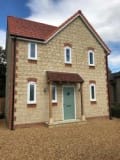
Cavity wall insulation for 3 walls of a two story extension. Approx 5m per side and 2.5m tall per floor


Over 5 reviews & an average rating of 4.8/5 stars, you'll find the right pro
Use the shortlist button to select up to 4 tradespeople, enter your project details and press send
Get up to 4 quotes from local Insulation Installers near you




Caldicot - NP26
Enquiry from: Owen B
Start Date: Immediate
Cavity wall insulation for 3 walls of a two story extension. Approx 5m per side and 2.5m tall per floor
How much do Insulation Installers in Blakeney charge?
Prices for Insulation Installers around Blakeney can fluctuate relying on the sort of work that you require to have carried out in your residence. It's the question we get asked a great deal "how much do Insulation Installers in Blakeney cost?". It's often really good to have an idea of how much a Insulation Installer will likely charge for their services. Prices will certainly fluctuate based on the products as well as the tradesperson selected. The list shows the sorts of task that Insulation Installers typically do as well as the typical cost series of these jobs. Some tasks take longer to complete than others so prices do be very different by job.
Tasks that Insulation Installers in Blakeney can do:
| Insulation Installer job | Insulation Installer cost in 2026 |
|---|---|
| Loft insulation in Blakeney | £450-£690 |
| Cavity wall insulation in Blakeney | £400-£820 |
| Roof insulation in Blakeney | £7,500-£11,500 |
| Soundproofing in Blakeney | £900-£1,380 |
| External wall insulation in Blakeney | £6,000-£15,000 |
The best type of insulation for your property will depend on the type of walls and any insulation that’s already present. It’s usually a good idea to have some form of wall insulation as well as loft insulation, as this helps to prevent heat loss in both areas.
The short and simple answer to this question is yes, loft insulation does cause condensation. Over the years, problems with condensation in loft spaces have become increasingly common. While this may not be harmful in anyway, when the condensation becomes excessive it can lead to more serious issues taking root in your loft like wet rot, dry rot as well as black spot mould. Generally, the best thing to do if you’re concerned about the condensation in your loft space and that it may rapidly become a bigger problem is to get in touch with a damp specialist as soon as possible.
Even though insulating your loft space comes with a wide array of benefits like making the top floor rooms warmer, it’s however comes at the cost of making your loft or room space cooler. Condensation in lofts take place primarily due to the humid air making its way through insulation or other gaps into the loft space and touching a cooler surface which in turn results in beads of moisture on the timbers, lintels as well as the underside of the roof. This is why its always a great idea make use of thermal insulation with a vapour barrier that’s installed on the warmer side of the insulating material.
Condensation in loft is caused by excess moisture in the air and lack of adequate air ventilation. Here are some top reasons that gives rise to this in the loft:
In recent times, more and more home and property owners are starting to come to terms with the large returns and little investment in cavity wall insulation provides. For a relatively little amount you can achieve a lot, from an increase in your home’s energy efficiency and reduction in heating bills to a huge boost in your property’s resale value and lots more. This makes you wonder how an ordinary insulation can help you achieve so much, right? Well, you’re definitely not alone! Several other potential investors are also eager to know exactly how the cavity wall insulation works to deliver all these juicy benefits. In this post, we’re going to go provide you with a detailed insight on how cavity wall insulation works. Let’s take a look!
Typically, cavity wall insulation works as acting as a shield which prevents the escape of heat from your home. It features a reflective surface which serves as a barrier to reflect heat from one side of the panel, effectively minimizing the amount of heat conduction that escapes through. This protection of your home from heat penetration comes with a couple of benefits with the obvious one being an incredible thermal efficiency. An insulated home or property is able to maintain a much more balanced temperature throughout the year – staying a lot cooler during the summer months and retain the heat generated during the winter months. However, a less talked about benefit is the fact that when an insulation is done during the construction of a house, the whole development phase can be completed a lot quicker. This is mainly because insulation offers total protection against weather conditions which enables internal trades to continue without the need to wait for brickwork or cladding to be completed.
External Wall Insulation (EWI) is the act of insulating a home by fitting insulation to the exterior parts of the building which in turn improves thermal performance, cuts energy consumption ( savings on energy bill) and also adds to the home’s visual appeal. The systems are built in multiple layers, with the insulation board offering a plethora of options with each being suitable to varying projects and their needs. Installing an external wall insulation comes with a variety of benefits, let’s have a look!
• Thermal Performance Improvement
With EWI, the thermal inertia of the walls are greatly enhanced while also restricting the loss of heat. Ultimately, this lowers heating costs, enhances the comfort of indoor thermal and also reduces CO2 pollution.
• Eliminates Noise Pollution
When the noise levels are high, it can have a bad impact on our overall well being. A great way to reduce the disturbances from the outside like traffic noise is by fitting an External Wall Installation system.
• More Comfortable Living Space
Do you know the damp in homes can contribute to respiratory problems? A properly insulated home will greatly limit the impact of condensation by combating the damp issues. As a result, you can always expect your house to be cosy and comfy irrespective of the season. A cooler summer and warmer spring is guaranteed with EWI.
• Enhances The Property’s Visual Appeal
Looking for an excuse to rejuvenate your home’s aesthetic appeal? Well, you can as well try out adding an EWI system. There are a plethora of unique colours and styles you can pick from to beautify your home effortlessly.
• Adds Value To Property
An insulated home will generally cost more than an uninsulated one at the time of resale. Potential home buyers are more interested in the acquisition of a home with an EWI system due to its various benefits - and a higher demand can only imply a higher price!
Before the commencement of any project, it’s always best to get an estimation of the cost. However, determining the cost of an external solid wall insulation is not the easiest of tasks as it relies on varying components such as the insulation materials to be used, labour cost and installation as well as the type of decorative finish to be incorporated. And depending on your choice of insulation material, some may need some adhesives while others may require some fixings which also contributes to the differences in price. As a result, the determination of the material cost alone can be tricky and even more so when various materials cover varying areas.
With that in mind, the cost of external solid wall insulation generally ranges between £80 to £100 per square metre2. As a result, a small flat can cost from £6000 to £9000 whereas a large detached house can have a price ranging between £21000 to £23000. To earn back your investment in terms of energy bill savings can take a couple of years, but it’s surely worth the try as there are several other benefits associated with installing an external solid wall insulation system. What’s more? Another huge factor that can influence the cost of your system is also the amount of work that’s required, how easy it is to be accessed by the installers and lots more
If you’re looking to cut down on the cost of your external solid wall insulation, then the best time for an installation might just be when you’re having another decorating or building project done such as fitting a new roof, window painting, installation of solar PV panels and more. This way, you’ll be able to spread the cost and have a greater value for each penny expended.
In general, you won’t need planning permission to install soundproofing. If you are installing soundproofing against a shared wall, you will usually need to follow the rules and restrictions set out in the Party Wall Act. In listed buildings and conservation areas, there may be extra restrictions on soundproofing.
With cavity walls being very similar to other type of brick works, it can be quite confusing to figure out the type of wall your property possesses. If your house was constructed after the 1920s, then its highly likely the you have cavity walls, while older houses (houses before the 1920s) are likely to have solid walls. What’s more? If you happen to own a home that was built in the last decade, then it’s very possible that it was built with insulation installed during construction.
An effective way to determine whether or not your property is built with cavity wall is to examine the brickwork on your home’s exterior. The bricks will typically possess a regular pattern if it features cavity walls. In the event whereby the brick work is covered by render, you can also figure it out by taking a measurement of the wall’s width. If the brick wall is beyond 3000mm in thickness ( from the exterior wall to the interior wall), then it probably features a cavity. Meanwhile, a wall that’s narrower is very likely to be solid. Stone walls, on the other hand, may actually be thicker but are most times solid.
In a situation whereby your house is built using steel frame or timber frame, or made using pre-fabricated concrete, there are varying rules that applies when it comes to insulation and should be examined by an expert before any insulation is installed. More often than not, most contractors will have installed special air vents, which can also be a good indicator that a cavity wall insulation has been done.
If you have a loft, then the next thing that’s crucial is a loft insulation. Asides from cutting down on your carbon footprint, when you’re able to install an effective loft insulation you can slash your heating bills by up to £250 per year. What’s more? Besides making your home more energy efficient, it can also increase the value of your property a great deal. So if you’re also considering the insulation of your loft, one of the few things that comes to mind is, what loft insulation is the best to incorporate? In order to help you make the best informed decision possible, this post is going to address this issue and put you on the right path.
In truth, there’s no way to say exactly which type of insulation is the best as all types usually have a different purpose as well as usage. The insulation you choose for your home’s loft is be based largely on the how you’re going to make use of the space as well as any unique challenges you might face given the shape of your home’s loft. Below are some types of insulation to give you a better idea:
Answer a few quick questions to help us match you with the right Insulation Installer
Receive no-obligation quotes from 4 Insulation Installers working in Blakeney.
Compare prices, customer reviews and services, and hire the right Insulation Installer.
View our open Insulation Installer jobs near you
Join today

