

17 May
Plastering
Mountain Ash - CF45
Enquiry from: Nichola M
Start Date: Immediate

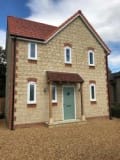
Repair to cracked brickwork above front door due to guttering erosion


Over 6 reviews & an average rating of 4.4/5 stars, you'll find the right pro
Use the shortlist button to select up to 4 tradespeople, enter your project details and press send
Get up to 4 quotes from local Plasterers near you




Mountain Ash - CF45
Enquiry from: Nichola M
Start Date: Immediate
Repair to cracked brickwork above front door due to guttering erosion
Merthyr Tydfil - CF47
Enquiry from: Mollie G
Start Date: Immediate
Price quote for artex removal
Ferndale - CF43
Enquiry from: Daya G
Start Date: Less than one month
Submit your free quote for rated tradespeople
Cardiff - CF15
Enquiry from: Peter D
Start Date: Immediate
Plastering round VELOX WINDOW & SOME WALLS & SMALL CELING
Cardiff - CF5
Enquiry from: Rob Y
Start Date: Immediate
Quote to replace kitchen ceiling as upstairs flooded and has ruind or ceiling
Bridgend - CF35
Enquiry from: Wendy D
Start Date: Immediate
Artex repair ***x1ft for ceiling
Bridgend - CF32
Enquiry from: John L
Start Date: 1 to 3 months
Submit your free quote for rated tradespeople
How much do Plasterers cost? Costs for Plasterers in 2026 can be very different depending on the type of work that you require to have performed in your house.
A plaster is used to serve a number of purposes when applied on a solid surface. It seals rough brickwork or stonework, it provides a smooth surface for the application of paint, the smooth surface offers a clean and wipeable finish, it’s used to repair holes and cracks in existing plasterwork and lots more. With all these benefits, it’s little surprise more and more home and property owners are looking to have their properties plastered. If you’re also considering taking on this task, then you’d probably want to know exactly how much it’ll cost to get this project over the line. In this post, we’re going to give you a good insight into wall plastering costs to help you make the best informed decisions moving forward. Let’s take a look!
As you may have expected, the cost of charged by plasterers is dependent on a number of factors. These factors include the dimension of the room, accessibility of the surface, the condition of the existing plaster as well as the size or reputation of the company. Several plasterer professionals charge a daily rate or a average room size. They know the approximate area that they can cover in a day and charge accordingly. Typically, plastering walls from scratch for small rooms will cost within the range of £600 to £700 with a duration of 2 to 3 days, while mid-sized room should cost in between £650 to £1000 with a completion time from 2 to 4 days. Lastly, for a large room, you can expect to incur about of £1000 to £1500 and can be completed within 4 days.
The table shows the kinds of job that Plasterers usually do and the regular price series of these projects. Some jobs take longer to complete than others so prices do vary by task.
View our Plasterer advice| Plasterer job | Plasterer cost in 2026 |
|---|---|
| Plastering in Mid Glamorgan | £563-£863 |
| Artexing in Mid Glamorgan | £150-£230 |
| Plasterboard ceilings in Mid Glamorgan | £225-£600 |
| Suspended ceilings in Mid Glamorgan | £525-£805 |
| Artex Removal in Mid Glamorgan | £190-£400 |
How Much Do Plasterer’s Charge?
If you’re look to plaster your walls, one of the first things that’ll come to mind is the cost to complete the project so you can set a budget and start planning as soon as possible. However, the amount charged by plasterer, just like other tradesmen, is based on a number of factors. These factors include how urgent the project is, how long it’ll take as well as what materials are needed. Some of the other influencing factors of plastering jobs include the accessibility of the location, the size of the wall to be plastered and also the current condition of the old plaster. Therefore, you can expect a plaster work of multiple rooms with deteriorating old plaster to be more expensive than a simple refresh of a single wall in a relatively good condition.
It’s likely you’d also get the average cost per room reduce when you require the plastering of several rooms. As a result, to get a final price for your plastering work, you’ll have to call in a qualified and experienced tradesman who’ll consider all the unique requirements of your project and provide a suitable quote.
✓ Medium sized room plastering. A medium sized room would be a room that’s roughly between 3.5m by 5m or one that can comfortable accommodate up to 8 individuals. This will cost within the range of £520 to £870.
✓ Small sized room plastering. Small room such as small kitchens, box bedrooms, utility rooms and the likes will require less plaster but more intricacy with the plasterer having to work in tight spaces. This will cost within the range of £215 to £370.
Can You Plaster Over Tiles?
Yes, it’s absolutely possible to plaster over tiles but just because is possible doesn’t mean you should. Plastering over tiles is an option but it’s not recommended by experts due to several reasons. A good example is the fact that a tiled environment is in no way a suitable environment that can serve as a good bonding surface for a plaster. For the success of a plastering project, there’s the need for the surface to be able to bond to the PVA base coat. Due to fact that most tiles are slippery in nature and also lack of the ability to be able to absorb moisture, the PVA base coat layer will not be able to bond to the tiled surface, which will ultimately make for a weak surface upon the application of the plaster. Consequently, the plaster will easily flake and fall from the wall.
The inability to drill into the tiled wall surface after plastering is one of the major disadvantages that also arises when you decide to plaster over tiled surfaces. Most tiled surfaces are found in kitchens and bathrooms which are going to need appliances such as sinks, lavatories, kitchen counters and lots more. These appliances are designed to be installed on solid surfaces which would not be an easy task to carry out on tiles knowing there would definitely be great cracks or damages.
The best tip you’ll get if you’re considering to plaster on a tiled surface, is that detaching tiles from a surface can easily be done with a hammer and chisel, and that would save you a host of problems later in the future. However, if you still wish to plaster on your tiled walls, then you best bet would be to get a Blue Grit bonding agent. It works better than PVA and only needs one coat.
There are several different kinds of plastering. ‘Dot and dab’ refers to a base layer of plasterboard which is attached to a wall using ‘dabs’ of adhesive. ‘Floating’ is a technique where a backing or undercoat plaster is applied to walls. ‘Skimming’ or ‘reskimming’ refers to the very thin final decorative layer of plaster.
Artex is a water based surface coating which is used to decorate both ceilings and walls with a textured finish. Back in the 1970’s, artex happens to be very popular when the swirling or spiky effects it creates were considered to be the best of fashion when it comes to interior designs. However, in today’s world, an artex ceiling is not only considered outdated but also a pain to clean and repair.
If you have an artex ceiling in your residential property and looking for a way to get it off, then you’ve come to the right place. In this post, we’re going to show you how its done without much stress.
To get started you’d need to get the following tools and material which includes: safety goggles, dust mask and rubber gloves, plastic sheeting, canvas drop cloth ( carpet) or rosin paper (hard floor) and step ladder
Prepare the room. Start this by moving all furniture out of the room or stack the furniture at the centre of the room and cover using plastic sheets. Once done, cover all non-removable items with plastic sheets and lay down a canvas drop cloth for carpet floors and rosin paper for hard floors
Also referred to as drywall, plasterboard is a panel that features an inner layer of gypsum and spread between facer as well as backer paper. It is mostly incorporated in the construction of both interior walls and ceilings. Plasterboard can be made to be humidity resistant, fire resistant as well as noise resistant. Due to these reasons and also the fact that it’s very easy to install and very affordable, plasterboard is a very popular choice when it comes to interior walls and ceilings.
One of the major issues that most homeowners face when fitting plasterboard is the thickness required to make the project a long lasting one. But not to worry, we got you covered! If you’re about to install plasterboard for your ceiling and wondering the thickness that’ll be appropriate, then you’ve come to the right place. In general, the standard plasterboard sheet size is 120 cm in width and within the range of 180 cm to 360 cm in height. These sizes are designed to provide the much needed support to the standard stud spacing which is 160 cm. Depending on the manufacturer, plasterboard can be in four different widths.
Now talking about the thickness, there are two standard thicknesses of plasterboard - 9.5 mm and 12.5 mm. The sizes of plasterboard for ceilings are 9.5 mm or 10 mm. Most individuals tend to assume that the thicker the plasterboard the better, but this is absolutely false. A thicker plasterboard will only stick harder to the ceiling which will make it hard to seal joints if required.
Plasterboards are a great noise insulators which can also reduce disturbances from other activities. As a result, for walls, size of plasterboards that’s considered appropriate for walls is 12.5 mm or 13 mm.
How To Plaster A Wall
In order to plaster your wall successfully, you’ll firstly need to get the appropriate tools and materials for the job in place. The tools you’ll need to have includes a trowel and bucket trowel, plasterer’s float, corner trowel, hawk board, two buckets, mixing stick or a paddle, adequate plaster, PVA , dust sheets, clean water, sandpaper, stilts or step ladder as well as a dust mask.
✓ Prepare the wall. You’d have to make sure that you lay down a dust sheet so as to protect your floor and also gather any possible spillage or debris of plaster, before you start working on the walls. Get rid of all the dirt, dust and debris as this is very important for the success of your project if you’re going to be plastering on a worn out and old wall. Also, cover the holes and cracks in the walls with a screen tape
✓ Apply PVA to the wall. This will help ensure the layer you’re using will not dry out at the same time.
✓ Mix the paster. Mix the plaster according to the instructions given in the manufacturer’s manual.
✓ Apply the plaster onto the wall. Upon cleaning of the walls and successful mixture of the plaster, the next step is to apply the mixture to the wall using the hawk board, trowels and a floating tool.
✓ Skim and smooth. After the the first coat has dried after waiting for about 30 minutes, the next step will be to wipe out the bumps and lumps using a trowel to smooth over the surface. Once this is done you can then scrape the wall with a devilling float.
✓ Apply the second coat of plaster
✓ Apply the finishing touches. This includes polishing your work by adding some water to the surface with a spray gun and using the trowel to further smoothen out the surface.
✓ Painting and wallpapering.
Plastering will fix small cracks in walls. Very small cracks may be fixed by simply reskimming plaster. More serious cracks will usually mean that you need to use new plasterboard or backing plaster. Larger jobs or deep cracks may need an experienced plasterer to come in.
How To Plaster A Ceiling
Generally, plastering is a very tricky and time consuming job which usually require lots of efforts and practice to get right - with that in mind it gets even a lot trickier when it comes to ceiling plastering.
However, when you’re able to acquire the right know-how as well as tools, ceiling plastering can be completed by any confident DIYer enthusiast without the need to call in a professional. However, if you lack the needed confidence to pull off this task, then we’d recommend you get in touch with a trustworthy professional who can guarantee the best results for help. In this guide, we’ll take you through the ceiling plastering process.
You’ll need the following materials to get started: plaster, mixing bucket and paddle, plasterer’s float, plasterer’s towel, bucket trowel, protective gear, bucket of clean water and wide brush.
✓ Prepare the area. When it comes to plastering a ceiling it’s almost unavoidable to leave a mess around and no matter how you do it, your plaster will drop on the floor. Therefore you have put drop sheets on the floor, cover the furniture and put thing you don’t want to get dirty out of the way.
✓ Prepare the ceiling to be plastered. Sand down the uneven patches on the ceiling. Once done, wash the ceiling with a sponge and warm soapy water while also removing all cobwebs as well. Leave the surface to dry once completed.
✓ Mix the plaster or buy a premix plaster. To mix the plaster, simply use equal parts of plaster and water for mixing the plaster,
✓ Plaster the ceiling. Apply a little quantity of plaster to the edge of your trowel and try to spread it in rows to do the job without much hassle. Ensure that the thickness of the coat is thin and even throughout the application. The rough edge of the trowel should be used for the spreading as it’ll help you create scrapes or scratches in the plaster.
✓ Sand the surface
Answer a few quick questions to help us match you with the right Plasterer
Receive no-obligation quotes from 4 Plasterers working in Mid Glamorgan.
Compare prices, customer reviews and services, and hire the right Plasterer.
View our open Plasterer jobs near you
Join today
