

06 Aug
Plastering
North Shields - NE29
Enquiry from: Lee-ann T
Start Date: Immediate
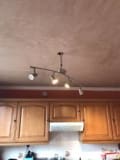
I would like a quote to plaster a small kitchen and ceiling


Over 10 reviews & an average rating of 4.7/5 stars, you'll find the right pro
Use the shortlist button to select up to 4 tradespeople, enter your project details and press send
Get up to 4 quotes from local Plasterers near you


North Shields - NE29
Enquiry from: Lee-ann T
Start Date: Immediate
I would like a quote to plaster a small kitchen and ceiling
How much do Plasterers cost? Costs for Plasterers in 2026 can be very different depending on the type of work that you require to have performed in your house.
A plaster is used to serve a number of purposes when applied on a solid surface. It seals rough brickwork or stonework, it provides a smooth surface for the application of paint, the smooth surface offers a clean and wipeable finish, it’s used to repair holes and cracks in existing plasterwork and lots more. With all these benefits, it’s little surprise more and more home and property owners are looking to have their properties plastered. If you’re also considering taking on this task, then you’d probably want to know exactly how much it’ll cost to get this project over the line. In this post, we’re going to give you a good insight into wall plastering costs to help you make the best informed decisions moving forward. Let’s take a look!
As you may have expected, the cost of charged by plasterers is dependent on a number of factors. These factors include the dimension of the room, accessibility of the surface, the condition of the existing plaster as well as the size or reputation of the company. Several plasterer professionals charge a daily rate or a average room size. They know the approximate area that they can cover in a day and charge accordingly. Typically, plastering walls from scratch for small rooms will cost within the range of £600 to £700 with a duration of 2 to 3 days, while mid-sized room should cost in between £650 to £1000 with a completion time from 2 to 4 days. Lastly, for a large room, you can expect to incur about of £1000 to £1500 and can be completed within 4 days.
The table shows the kinds of job that Plasterers usually do and the regular price series of these projects. Some jobs take longer to complete than others so prices do vary by task.
View our Plasterer advice| Plasterer job | Plasterer cost in 2026 |
|---|---|
| Plastering in Morpeth | £563-£863 |
| Artexing in Morpeth | £150-£230 |
| Plasterboard ceilings in Morpeth | £225-£600 |
| Suspended ceilings in Morpeth | £525-£805 |
| Artex Removal in Morpeth | £190-£400 |
It’s possible to paint your artex ceiling if you want to smarten it up or make it a different colour.
If it’s never been painted before, you’ll need to paint it with a PVA-based solution or water-thinned paint layer to start with. You may want to scrape or sand off any loose or peeling patches beforehand, but only do this if you’re sure that the artex doesn’t contain any asbestos.
Once you’ve done this, follow with two coats of your paint of choice – ideally an emulsion. If your artex ceiling has been painted before then you can paint directly without priming. However, if you’re painting over a particularly bold colour with a lighter one, you might want apply a layer of white paint first.
Also referred to as drywall, plasterboard is a panel that features an inner layer of gypsum and spread between facer as well as backer paper. It is mostly incorporated in the construction of both interior walls and ceilings. Plasterboard can be made to be humidity resistant, fire resistant as well as noise resistant. Due to these reasons and also the fact that it’s very easy to install and very affordable, plasterboard is a very popular choice when it comes to interior walls and ceilings.
One of the major issues that most homeowners face when fitting plasterboard is the thickness required to make the project a long lasting one. But not to worry, we got you covered! If you’re about to install plasterboard for your ceiling and wondering the thickness that’ll be appropriate, then you’ve come to the right place. In general, the standard plasterboard sheet size is 120 cm in width and within the range of 180 cm to 360 cm in height. These sizes are designed to provide the much needed support to the standard stud spacing which is 160 cm. Depending on the manufacturer, plasterboard can be in four different widths.
Now talking about the thickness, there are two standard thicknesses of plasterboard - 9.5 mm and 12.5 mm. The sizes of plasterboard for ceilings are 9.5 mm or 10 mm. Most individuals tend to assume that the thicker the plasterboard the better, but this is absolutely false. A thicker plasterboard will only stick harder to the ceiling which will make it hard to seal joints if required.
Plasterboards are a great noise insulators which can also reduce disturbances from other activities. As a result, for walls, size of plasterboards that’s considered appropriate for walls is 12.5 mm or 13 mm.
How Much Does Plastering Cost?
If your existing interior or exterior plaster is starting to show signs of needing to be refreshed or the painting never seems to last, then it’s probably time to have your plaster renewed to breathe in a new lease of life to your decorating efforts.
So if you’re giving wall plastering a thought, there’s a need to have a rough estimate of the cost a professional is likely to charge so you can set a budget and start planning. However a direct answer can not be provided for this question as there are so many factors that a professional will put into considering before coming up with a quote that’s unique to your specific requirements.
A lot of plasterers will come up with a quote for the job using the number of square metres of wall space that’s going to be covered. This is due to the number of plasterboards as well as the other materials that the plasterer will need to purchase, how long the work will take and also the labour that’ll be involved in completing the project.
Another popular influencing factor that several plasterers use is the size of the room to be plastered. This is the main reason why you’re more likely to find the prices in small, medium as well as large rooms. Therefore, in order to have a more accurate estimate of the cost of your plastering project, you’d have to call in a qualified professional to have a look at the job at hand. Generally, to re-plaster a small room will cost within the range of £350 to £550, a medium room will cost within the range of £400 to £600 and a large room, between £550 to £700.
How To Plaster A Wall
In order to plaster your wall successfully, you’ll firstly need to get the appropriate tools and materials for the job in place. The tools you’ll need to have includes a trowel and bucket trowel, plasterer’s float, corner trowel, hawk board, two buckets, mixing stick or a paddle, adequate plaster, PVA , dust sheets, clean water, sandpaper, stilts or step ladder as well as a dust mask.
✓ Prepare the wall. You’d have to make sure that you lay down a dust sheet so as to protect your floor and also gather any possible spillage or debris of plaster, before you start working on the walls. Get rid of all the dirt, dust and debris as this is very important for the success of your project if you’re going to be plastering on a worn out and old wall. Also, cover the holes and cracks in the walls with a screen tape
✓ Apply PVA to the wall. This will help ensure the layer you’re using will not dry out at the same time.
✓ Mix the paster. Mix the plaster according to the instructions given in the manufacturer’s manual.
✓ Apply the plaster onto the wall. Upon cleaning of the walls and successful mixture of the plaster, the next step is to apply the mixture to the wall using the hawk board, trowels and a floating tool.
✓ Skim and smooth. After the the first coat has dried after waiting for about 30 minutes, the next step will be to wipe out the bumps and lumps using a trowel to smooth over the surface. Once this is done you can then scrape the wall with a devilling float.
✓ Apply the second coat of plaster
✓ Apply the finishing touches. This includes polishing your work by adding some water to the surface with a spray gun and using the trowel to further smoothen out the surface.
✓ Painting and wallpapering.
Artex is a type of interior surface coating, similar to plaster. It’s used to create decorative textured finishes on ceilings and walls, so it takes longer to dry than plaster.
Artex is actually a brand name, but it’s used to refer to similar products made by other manufacturers too. It was particularly popular in the 1970s, but is still used to create attractive wall and ceiling finishes today.
Installing a plasterboard on your ceiling is a cool way to modernize your property. Over the past couple of decades, there has bee an increasing number of trends associated with plastering of both walls and ceilings such as rounded edges and textured plaster. However, in recent times, home and property owners are now looking to install more of sharp edges. If you’re planning to plaster your ceiling, you’d probably want to know just how much this project is going to cost. If yes, then you’ve come to the right place. In this article, we’ll give you a rough estimate of ceiling plastering costs.
There are a plethora of factors the can influence the price of plastering your ceiling. These pricing components includes the following:
✓ Size. As you would have expected, the larger the job, the more the overall cost. However, the price per square metre will reduce which means that the cost of plastering a small ceiling space will cost more per square metre than the cost of plastering a larger ceiling space per square metre.
✓ Materials. We have a wide range of plasterboard available in the market. If you need a fire retardant, acoustic or other types of specialist plasterboard, you can expect to pay higher than standard plasterboards.
✓ Location. Just like many other home improvement projects, the cost of plastering ceiling varies greatly throughout the UK. Places such as London and the South East have the highest prices due to the high standard of living as well as greater demands.
In general, to plaster a ceiling (small 2 m x 2 m) - overboard and plaster will cost within the range of £200 to about £300. Also, to plaster a ceiling (large 5 m x 6 m) - overboard and plaster will cost within the range of £400 to about £600. The average plasterer’s daily rate (including material) is about £180 to £300 and ceiling plastering cost per square metre ranges between £20 to £40.
If your artex ceiling is looking tired or you just fancy a change, you can try plastering over your artex. You have two options when it comes to plastering over your artex: plasterboard or skimming.
Covering your ceiling with plasterboard is a good option if you suspect the artex may contain asbestos. If done carefully, it doesn’t involve disturbing the artex, reducing the risk of asbestos exposure.
You also have the option to skim over your ceiling. The first steps to this involve removing loose and flaking parts, cutting off stipples and sanding your ceiling down. So, if there’s a chance your artex ceiling may contain asbestos, this isn’t the right solution for you. However, if you’re sure there’s no asbestos in your ceiling, then sanding down and skimming over your ceiling can be a great way to create an attractive result.
It’s worth noting that both putting up plasterboard and skimming plaster can be difficult jobs. Although possible to DIY, you’re likely to get much better results if you hire a professional.
Plasterboard or drywall is simply gypsum plaster covered from both sides by thick paper layers. It’s known to be a highly versatile product used on both interior walls and ceiling as a result of its numerous advantages. This popular material in residential buildings can be designed to be fire resistant, humidity resistant and noise resistant. They have a low impact on the environment, while also being quite easy to repair and perfect to hide stuffs from plain sight. Most home and property owners in the UK have this material installed in their space as despite the multiple benefits, they’re also quite affordable. However, if you’re thinking about installing a plasterboard on your ceiling, one challenge you’re likely to face is determining the appropriate plasterboard thickness to incorporate as this make or mar your entire project. In this post, we’re going to take a look at the right plasterboard thickness for ceiling so as to help you make an informed decision moving forward. Let’s take a look!
Firstly, let’s consider the size of the plasterboard sheet. The standard plasterboard sheet size is 120 cm in width and within the range of 180 cm to 360 cm in height. These sizes are designed to provide the much-needed support to the standard stud spacing which is 160 cm. Depending on the manufacturer, plasterboard can be in four different widths. Now talking about the thickness, there are two standard thicknesses of plasterboard - 9.5 mm and 12.5 mm. The sizes of plasterboard for ceilings are 9.5 mm or 10 mm. Most individuals tend to assume that the thicker the plasterboard the better, but this is absolutely false. A thicker plasterboard will only stick harder to the ceiling which will make it hard to seal joints if required.
Answer a few quick questions to help us match you with the right Plasterer
Receive no-obligation quotes from 4 Plasterers working in Morpeth.
Compare prices, customer reviews and services, and hire the right Plasterer.
View our open Plasterer jobs near you
Join today
