13 Oct
Gutter Cleaning
Ipswich - IP8
Enquiry from: Richard H
Start Date: Immediate
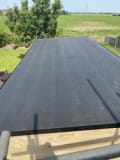
The Mill needs the gutters cleaned the building is 3 storeys high needs pressure cleaning or similar


Over 332 reviews & an average rating of 4.5/5 stars, you'll find the right pro
Use the shortlist button to select up to 4 tradespeople, enter your project details and press send
Get up to 4 quotes from local Roofers near you




Ipswich - IP8
Enquiry from: Richard H
Start Date: Immediate
The Mill needs the gutters cleaned the building is 3 storeys high needs pressure cleaning or similar
Ipswich - IP1
Enquiry from: Mohommed F
Start Date: Immediate
Submit your free quote for rated tradespeople
Ipswich - IP3
Enquiry from: Marzena S
Start Date: Immediate
Submit your free quote for rated tradespeople
Ipswich - IP4
Enquiry from: Trevor D
Start Date: Immediate
Submit your free quote for rated tradespeople
Ipswich - IP2
Enquiry from: Tudor R
Start Date: Immediate
Leak diagnosed plus repaired
Ipswich - IP1
Enquiry from: Bea B
Start Date: Immediate
We would like to install a sun tunnel
Ipswich - IP2
Enquiry from: Abi S
Start Date: Immediate
Chimney stack bricks have blown
Ipswich - IP1
Enquiry from: Rahul G
Start Date: 1 to 3 months
Submit your free quote for rated tradespeople
Ipswich - IP5
Enquiry from: Christine S
Start Date: Immediate
Replacement of 3 wooden windows for plastic. 3rd storey. Will already have scaffolding up for replacement of bargeboards. All 3 windows are GGL F06 3000. One then has 06AK04 and 2 have 03AK02
Ipswich - IP5
Enquiry from: Simon M
Start Date: Immediate
Suspect lead flashing is leaking where chimney joins roof above guttering
Ipswich - IP4
Enquiry from: Nicola A
Start Date: Immediate
My roof is in need of replacement, I believe it is the original roof from when the house was built in 1926. It is damaged and water is leaking through into the upstairs bedroom. Quote please for full
Ipswich - IP5
Enquiry from: Lynn B
Start Date: 1 to 3 months
Quote for moss removal from roof please and thank you
Ipswich - IP3
Enquiry from: David J
Start Date: Less than one month
The roof is dripping slightly into the loft directly underneath the valley. most likely that the valley needs replacing. house is a (address removed)
Ipswich - IP1
Enquiry from: Maria G
Start Date: Immediate
A flat roof replacement over bathroom with the estimated size approximately 2.75 x 2.10m. The felt perforated in a few places, it has three noticable sagged areas near the edge and towards the gutter
Ipswich - IP4
Enquiry from: Margaret K
Start Date: Immediate
There is a lot of damage to my roof due to age
Ipswich - IP4
Enquiry from: Margaret K
Start Date: Less than one month
Mrs lives in the ipswich area and would like a call to discuss options
Ipswich - IP3
Enquiry from: Sara K
Start Date: Immediate
Replacement of damaged slates
Ipswich - IP6
Enquiry from: Patrick L
Start Date: 1 to 3 months
Submit your free quote for rated tradespeople
Ipswich - IP3
Enquiry from: Samuel D
Start Date: 1 to 3 months
Moss growing on pitched tile roof
Ipswich - IP1
Enquiry from: Janet A
Start Date: Immediate
Gutters cleaning on a semi detached house
How much do Roofers cost? Costs for Roofers in 2026 can be very different depending on the kind of work that you want to have actually performed in your residence. It's the question we get asked a great deal "how much do Roofers charge?". It's often very good to have an idea of how much a Roofer are going to likely charge for their assistance. Prices will most likely fluctuate based on the materials and also the tradesman picked. The table shows the kinds of task that Roofers generally do as well as the standard cost series of these tasks. Some projects take longer to complete than others so costs do fluctuate by task.
View our Roofer cost guide View our Roofer advice| Roofer job | Roofer cost in 2026 |
|---|---|
| Velux windows in Ipswich | £838-£1,268 |
| Tile or slate roofing in Ipswich | £4,500-£6,900 |
| Flat roof in Ipswich | £1,875-£2,875 |
| Commercial roofing in Ipswich | £3,750-£5,750 |
| Flat roof repair in Ipswich | £1,500-£2,300 |
| Gutter cleaning in Ipswich | £75-£115 |
| Tile roof repairs in Ipswich | £338-£518 |
| Chimney sweeping in Ipswich | £75-£115 |
| Roof cleaning in Ipswich | £1,480-£2,220 |
| Sun Tunnel in Ipswich | £850-£1,250 |
It can be easy to repair a felt flat roof depending on the problem. If you’ve got an old-style pour-and-roll felt flat roof, you might be starting to run into problems, but even if you have a newer torch-on felt roof, issues can occur. You might find cracks, lifting, leaking flashings or dips and hollows in the felt. Luckily, there are some easy fixes – but the best thing to do to prolong the life of your felt flat roof is to get a professional to look at it.
If your felt flat roof only needs a small repair, you might be able to get away with using a paint-on fix from a tin that you just brush on. However, if you want a more permanent fix, you’ll need a few more tools and supplies.
You can use a patch of torched-on roofing felt over the crack or leak, but if your flat roof is very damaged or wet it might not take it. You can also buy liquid systems for felt roofs, but again, there is a possibility that your roof might not take it. Also most of the high-quality liquid systems are only available for trade customers, so you might be better off asking a roofing pro to do it for you.
How you install commercial rubber roofing is similar to fitting it on a residential property, except that the area that’s covered is likely to be bigger. With commercial properties, you should always leave any maintenance and repair works to the professionals – whether you own or lease the property, you could invalidate any insurance if you try to install rubber roofing yourself. We’ll outline the steps roofers will take when installing rubber roofing on a commercial property.
Firstly, the installers will remove any existing coverings and clean and dry the surface thoroughly. This is vital in ensuring that the rubber will stick. They will then unwrap the EDPM rubber membrane and leave it to rest until it’s fully expanded. On a warm day this may take around half an hour.
Next, the roofers will work with half a sheet of rubber at a time and adhere it to the roof surface. They may use a water-based adhesive which they will spread onto the roof in sections, then roll the membrane onto the surface before moving onto the next section. If they’re using a bonded adhesive, they will apply it to both the roof and the rubber and leave it to dry until it’s tacky before extending the membrane.
Once the EDPM rubber is rolled out, the installers will brush the surface with a large broom to get rid of bubbles and provide a stronger bond. Then they will work of the edges, applying adhesive to roof and walls edges, sealing corners and creating watertight seals. They’ll also tidy up any excess membrane and seal all the trims.
As long as it’s installed correctly, your commercial rubber roofing should last you decades without any repairs needed. It’s always best to inspect your roof regularly to spot any damage before it becomes a bigger problem.
One of the most popular choices for roofing materials are roof slates. There is a number of advantages that a roof slate has, hey can be aesthetically pleasing, they can also increase the potential selling value of the house and many more. Slate is a sturdy and resilient material that delivers waterproofing physical characteristics to a pitched roof. Unlike other roof materials which absorb water slates do not. Therefore, slate is the most resistant towards freezing and water damage.
Find out the pitch of your roof
Before beginning with the fitting procedure, you need to figure out the pitch of your roof. The roof pitch commands how much overlap is essential with each slate. This has been made a lot easier than the early days with the advancement of technology.
Find out the required overlap
Once you’ve found out the exact pitch of your roof accurately, take a look at the slate producer’s description. Each manufacturer will propose the obligatory overlap in order to form a firm and safe slate roof.
Roll out the roof membrane
Firstly, guarantee your joists or trusses are clean of any sheards or old nails that could harm the membrane. You will now have to roll the chosen roofing membrane along the roof trusses. It is always wise to start from one of the bottom corners and keep rolling it along to the other corner.
Secure the roof membrane
Once the membrane has been moved out, use thump nails to protect one edge. You will now have to pull the membrane taut and carefully fix it into position. Do this before adding any nails across the membrane at points of intersection with the trusses for extra stability.
Batten placement
This is done to find the proper assignment of the battens. For this, you will need two full-sized slates along with an under eaves slate. Carefully position the battens on the top of the roof on the top of the overlay. Make sure not to fix them down since it will be easier to move them around and make any adjustments.
Roofing is one of the most significant portions of your household. Not only does it protect the inhabitants from the elements, but it also plays a vital role in the architectural appeal. When people reflect of roofing, they consider various types of tile for the job.
Metal Tiles
When we talk of metal roofs, most of the people think of roofs made of metal panels which are joined together by joints or raised seams. This is often not the case as there are several numbers of obtainable metal roofing products.
Ceramic Tiles
Another popular choice of roofing material is ceramic. Clay tiles are incombustible and fairly sturdy, necessitating scarcer repairs or substitutions than asphalt roofs.
Concrete Tiles
For those that like the look of ceramic tiles, as well as their fire resistance, this may not be the choice, but those who want something a little tougher and less susceptible to cracking when having work done on the roof, there are the best tiles.
Bituminous Tiles
For those that want a lightweight, supple tile that’s easier to fit, there’s the bituminous tile. These types of tiles are made from cellulose fibre or using fibreglass allowing them to be flexible.
Polymer-Sand Tiles
A new-fangled substitute for ceramic tiles is the polymer-sand tile. Created from a combination of sand bound together with polymers, these are very rigid, sturdy tiles are shaped in a mould.
Copper Tile
Copper roofs can be a great choice for many due to their long lifespan. Copper tiles have the ability to last over a century before needing replacement.
Composite Tile
Another newer roofing tile is the composite. This is a multi-layered tile that is made using metal, acrylic and stone granules.
Stone Tiles
This is one of the oldest forms of roofing tiles that you can get out there. It is also one of the longest-lasting tiles on the market as well, with some roofs lasting well over 100 years.
How To Identify Asbestos Roof Tiles
Found in some particular rocks, asbestos is a naturally occurring mineral that’s commonly used before the 1990’s as a building material specifically for roofing. This material was banned in the UK as it was discovered to possess harmful fibres which is potentially dangerous to human’s respiratory health when disturbed and inhaled. According to several reports this health conditions include non cancerous lung disease, mesothelioma and asbestosis, which are all untreatable. Therefore, be it in a domestic or industrial setting, there’s the need to know how to identify asbestos and if found, start the removal process as quickly as possible.
While the three types of asbestos used in roof tiles can be quite easy to identify by themselves, a total reverse is the case, when mixed into a tile. Generally roofing tiles that includes asbestos will mostly have colours such as grey, white or blue-white colour, but so does several other roof tiles made from other materials that are totally safe. As a result, the only way in which you can identify if a tile contains asbestos is by looking for an identification mark. These marks are mostly inscribed onto about one in twenty tiles, therefore if you have a strong feeling that your roof tiles contains asbestos, you may have to remove several tiles before you can identify the marked one. Otherwise, the only way you can confirm is by sending a sample to a certified asbestos testing lab. These labs are knowledgeable and possess the right equipment, tools as well as testing kits to determine the levels of asbestos in your premises. With this, you have a better chance of getting quality results than any other means. What’s more? They’ll also recommend expert asbestos removal services if the harmful material is found to be present in your house.
It’s relatively simple to remove a Velux window, whether it’s Velux-branded or is another brand of roof window. Here is a breakdown of the steps you’ll need to take to remove a roof window:
It’s that simple! You can do all of this from inside your home – there's no need to climb on the roof. Removing the glass pane from a Velux window, for example if it has blown, is a more difficult job and should be left to a professional. It involves removing the sash from the roof window frame and then removing the surrounding parts of the sash to lift out the sealed unit. They will then place the new glazed unit into the sash frame before securing all the parts back onto the sash and fitting it back into the roof window frame.
How To Replace Flat Roof Fascia
Whatever makes you decide to install your flat roof fascia by yourself and not a professional company, then you must have a clear idea of what to do and do it appropriately. If you lack proper training and experience, we’d recommend you employ a reliable professional to help with the task for the best results and save you some time and money. This step-by-step guide will give a clear insight on how to go about the replacement of your flat roof fascia.
The tools to be incorporated includes the fascia boards, table saw, plane, crimper, clamps, power nailer, compound saw and chalkline.
• Prepare and get all the necessary tools to complete the task before commencing as this would save you time from stopping and going back and forth looking for the next tool needed,
• Install the sheathing and board.
• Fix white fascias with at least 600mm centres ( a foiled fascia needs just 40mm centre) using a marine grade stainless steel plastic headed nails.
• Make a space of up to 10mm between the joints for possible building expansion, using super glue to secure the joints to just a side of the fascia.
• Place this directly on the fascia board’s top (if you’ll be installing ventilation) to create an air pathway.
• Take note that the type of roof to be installed will determine how you’ll have to install the fascia board. For instance, a hip roof permits you to attach the fascia board onto the roof in a quick fashion, whereas a gabled roof may need you to make markings on the board to achieve the right fit.
• Consider the depth of the fascia board as it also play a huge role in the installation of the fascia board. For instance, there’ll be additional weights on tiled roofs that will push up against the board. Therefore, if you do not get the appropriate amount of depth, it could eventually collapse.
How Often Do Flat Roofs Need Replacing?
When a flat roof needs to be replaced is determined by a number of factors which includes the roof’s exposure to the weather, the condition and age of the roofing materials as well as the construction of the roof. However, with proper maintenance and regular inspection, they should be used for nothing less than 50 years. There are some commonly used types of flat roofs which includes Felt flat roof as well as a GRP flat roof.
Felt Flat Roof
The lifespan of a felt flat roof also varies depending on the quality and grade of the felt roof incorporated. This can make the roof last within the range of 2 to 20 years. More often than not, felt flat roofs are usually installed in such a way to keep the costs down which implies the grades of felts that are mostly used are the economical ones implying a very short lifespan.
In the event whereby a premium grade of felt is incorporated in constructing a roof by professional contractors, will be guaranteed by the manufacturer to last between 10 to 20 years.
One of the major causes of a short lifespan in felts is leaks which should be regularly inspected and repaired once identified. If not, the roof will gradually deteriorate and become a lot weaker due to the action of the sun. However, when a felt roof starts to leak, it’s usually a sign that’s approaching the end of its lifespan and a replacement should be taken into account.
GRP Flat Roof
The GRP flat roof or fibreglass flat roof usually comes with a manufacturer’s guarantee of 20 years and is expected to have a lifespan of a minimum of an additional 10 years.
Unlike felt roofs, they’re more resistant to leaks. However, they should also be regularly inspected for leaks which are caused mostly as a result of installation error rather than the GRP roofing approaching the end of its useful life. If the GRP roof repair does not totally resolve the leak, you should start considering a replacement.
Answer a few quick questions to help us match you with the right Roofer
Receive no-obligation quotes from 4 Roofers working in Ipswich.
Compare prices, customer reviews and services, and hire the right Roofer.
View our open Roofer jobs near you
Join today

