12 Sep
Roofing | Flat | Repair
Birmingham - B11
Enquiry from: Sardar K
Start Date: Immediate
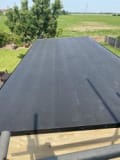
Rain proof sheets installation


Over 733 reviews & an average rating of 4.4/5 stars, you'll find the right pro
Use the shortlist button to select up to 4 tradespeople, enter your project details and press send
Get up to 4 quotes from local Roofers near you








Birmingham - B11
Enquiry from: Sardar K
Start Date: Immediate
Rain proof sheets installation
Birmingham - B31
Enquiry from: Antoni K
Start Date: Immediate
leaki round chimeny Looking for quotes.
Birmingham - B8
Enquiry from: Nagina N
Start Date: Immediate
They valley in my roof has a crack and water comes through i need someone to use the fibre glass thing to cover the crack.
Birmingham - B43
Enquiry from: Sandeep K
Start Date: Immediate
Roof clean Looking for quotes.
Birmingham - B43
Enquiry from: Paul M
Start Date: Immediate
Flat room approx 90 sqm, currently the gelt has deteriorated
Solihull - B36
Enquiry from: Heady H
Start Date: Immediate
Type: 1-2 Storeys Additional: Conservatory Urgency: ASAP Gutter runs clogged up rain water over spilling. Detached 3 bed house.
Solihull - B36
Enquiry from: Rukhsana A
Start Date: Immediate
fire damaged to roof need repairing
Birmingham - B28
Enquiry from: Zulf A
Start Date: Immediate
Leaking chimney Looking for quotes.
Birmingham - B25
Enquiry from: Muhammad F
Start Date: Immediate
Chimney repaired. Looking for quotes.
Birmingham - B26
Enquiry from: Noori N
Start Date: Immediate
new roof Looking for quotes.
Birmingham - B25
Enquiry from: Fiona F
Start Date: Immediate
perpex roof leaks when it rains in several places looks like more screws are needed
Birmingham - B44
Enquiry from: Kirn K
Start Date: Immediate
Repair leaking roof Looking for quotes.
Birmingham - B45
Enquiry from: Stephen P
Start Date: Immediate
was never fitted correctly
Solihull - B36
Enquiry from: David L
Start Date: Immediate
Bounding gutter repair, roof leaking and loft window leaking.
Birmingham - B8
Enquiry from: Nagina N
Start Date: Immediate
They valley in my roof has a crack and water comes through i need someone to use the fibre glass thing to cover the crack.
Birmingham - B21
Enquiry from: John M
Start Date: Immediate
Sky windows checks nd repairs if possible plz
Birmingham - B8
Enquiry from: Mohammed R
Start Date: Immediate
Roof cleaning needed. Looking for quotes.
Birmingham - B8
Enquiry from: Ade A
Start Date: Immediate
Want to change my flat roof
Birmingham - B38
Enquiry from: Kate M
Start Date: Immediate
roof panel has slipped down and water coming through when it rains
Birmingham - B14
Enquiry from: Jim S
Start Date: Immediate
Roof repairs - ridge tiles repointed
How much do Roofers cost? Costs for Roofers in 2026 can be very different depending on the kind of work that you want to have actually performed in your residence. It's the question we get asked a great deal "how much do Roofers charge?". It's often very good to have an idea of how much a Roofer are going to likely charge for their assistance. Prices will most likely fluctuate based on the materials and also the tradesman picked. The table shows the kinds of task that Roofers generally do as well as the standard cost series of these tasks. Some projects take longer to complete than others so costs do fluctuate by task.
View our Roofer cost guide View our Roofer advice| Roofer job | Roofer cost in 2026 |
|---|---|
| Velux windows in Birmingham | £1,225-£3,345 |
| Tile or slate roofing in Birmingham | £3,420-£8,800 |
| Flat roof in Birmingham | £1,045-£3,335 |
| Commercial roofing in Birmingham | £1,934-£3,284 |
| Flat roof repair in Birmingham | £600-£1,063 |
| Gutter cleaning in Birmingham | £53-£83 |
| Tile roof repairs in Birmingham | £310-£667 |
| Chimney sweeping in Birmingham | £75-£115 |
| Roof cleaning in Birmingham | £755-£1,135 |
| Sun Tunnel in Birmingham | £1,234-£3,334 |
How To Replace Flat Roof Fascia
Whatever makes you decide to install your flat roof fascia by yourself and not a professional company, then you must have a clear idea of what to do and do it appropriately. If you lack proper training and experience, we’d recommend you employ a reliable professional to help with the task for the best results and save you some time and money. This step-by-step guide will give a clear insight on how to go about the replacement of your flat roof fascia.
The tools to be incorporated includes the fascia boards, table saw, plane, crimper, clamps, power nailer, compound saw and chalkline.
• Prepare and get all the necessary tools to complete the task before commencing as this would save you time from stopping and going back and forth looking for the next tool needed,
• Install the sheathing and board.
• Fix white fascias with at least 600mm centres ( a foiled fascia needs just 40mm centre) using a marine grade stainless steel plastic headed nails.
• Make a space of up to 10mm between the joints for possible building expansion, using super glue to secure the joints to just a side of the fascia.
• Place this directly on the fascia board’s top (if you’ll be installing ventilation) to create an air pathway.
• Take note that the type of roof to be installed will determine how you’ll have to install the fascia board. For instance, a hip roof permits you to attach the fascia board onto the roof in a quick fashion, whereas a gabled roof may need you to make markings on the board to achieve the right fit.
• Consider the depth of the fascia board as it also play a huge role in the installation of the fascia board. For instance, there’ll be additional weights on tiled roofs that will push up against the board. Therefore, if you do not get the appropriate amount of depth, it could eventually collapse.
How you install commercial rubber roofing is similar to fitting it on a residential property, except that the area that’s covered is likely to be bigger. With commercial properties, you should always leave any maintenance and repair works to the professionals – whether you own or lease the property, you could invalidate any insurance if you try to install rubber roofing yourself. We’ll outline the steps roofers will take when installing rubber roofing on a commercial property.
Firstly, the installers will remove any existing coverings and clean and dry the surface thoroughly. This is vital in ensuring that the rubber will stick. They will then unwrap the EDPM rubber membrane and leave it to rest until it’s fully expanded. On a warm day this may take around half an hour.
Next, the roofers will work with half a sheet of rubber at a time and adhere it to the roof surface. They may use a water-based adhesive which they will spread onto the roof in sections, then roll the membrane onto the surface before moving onto the next section. If they’re using a bonded adhesive, they will apply it to both the roof and the rubber and leave it to dry until it’s tacky before extending the membrane.
Once the EDPM rubber is rolled out, the installers will brush the surface with a large broom to get rid of bubbles and provide a stronger bond. Then they will work of the edges, applying adhesive to roof and walls edges, sealing corners and creating watertight seals. They’ll also tidy up any excess membrane and seal all the trims.
As long as it’s installed correctly, your commercial rubber roofing should last you decades without any repairs needed. It’s always best to inspect your roof regularly to spot any damage before it becomes a bigger problem.
An eave is the edge of a roof, which is why they are now and then called roof eaves. On a household's outside, eaves can stick out outside the side of the building, serving both ornamental and applied purposes. The eave of a house has come to mean the lower area of the roof that projects after the external covering, as opposite to a cornice, which is part of the entablature in Classical architecture.
Think of how a roof outspreads outside the covering, and then think about how a hard rain may roll down the roof and, on the ground, away from the structure. Centuries ago, the eavesdrop was that indentation line made around a structure when the rain fell off the edge of the roof onto the ground.
Types of Eaves
A roof can come to a conclusion in essentially three ways. A closed eave is the one which has very little or no overhang at all. An open eave has a visible overhang, projecting beyond the roof brackets. A boxed eave is surrounded with a soffit.
The Use of Eaves?
An eave can defend the siding and substance of a structure. A roof eave bulging beyond the sides permits snow and rain to fall from the roof away from the covering, to the ground. The more the "weather" gets thrown away from the household, the chances of you having a dry basement increases.
In cases of regions with a warmer climate, a large eave can help provide shade to the interior of the house. In rainy environments, the prolonged eaves of Asian architecture deliver shelter from the climate, as well as direction. In the 21st century, an eave may be an inconspicuous site for security cameras and light.
If your existing roof is still in good condition but the membrane is getting old, it’s often not worth exposing the structure to the weather whilst the contractor strips off the old membranes. The contractor will leave them in place to act as a base layer for a new roofing system. As long as there are no other problems with your roof, then overlaying is a good way to replace your flat roof.If you have any more questions about flat roofing that aren’t listed here, fill out our form to ask a contractor.
Roofing is one of the most significant portions of your household. Not only does it protect the inhabitants from the elements, but it also plays a vital role in the architectural appeal. When people reflect of roofing, they consider various types of tile for the job.
Metal Tiles
When we talk of metal roofs, most of the people think of roofs made of metal panels which are joined together by joints or raised seams. This is often not the case as there are several numbers of obtainable metal roofing products.
Ceramic Tiles
Another popular choice of roofing material is ceramic. Clay tiles are incombustible and fairly sturdy, necessitating scarcer repairs or substitutions than asphalt roofs.
Concrete Tiles
For those that like the look of ceramic tiles, as well as their fire resistance, this may not be the choice, but those who want something a little tougher and less susceptible to cracking when having work done on the roof, there are the best tiles.
Bituminous Tiles
For those that want a lightweight, supple tile that’s easier to fit, there’s the bituminous tile. These types of tiles are made from cellulose fibre or using fibreglass allowing them to be flexible.
Polymer-Sand Tiles
A new-fangled substitute for ceramic tiles is the polymer-sand tile. Created from a combination of sand bound together with polymers, these are very rigid, sturdy tiles are shaped in a mould.
Copper Tile
Copper roofs can be a great choice for many due to their long lifespan. Copper tiles have the ability to last over a century before needing replacement.
Composite Tile
Another newer roofing tile is the composite. This is a multi-layered tile that is made using metal, acrylic and stone granules.
Stone Tiles
This is one of the oldest forms of roofing tiles that you can get out there. It is also one of the longest-lasting tiles on the market as well, with some roofs lasting well over 100 years.
How To Replace A Broken Roof Tile?
If you have a broken roof tile on your property, the next logical step to take is having it replaced as soon as you can. However, this is not the simplest of tasks so you might need some guidance if you wish to do it yourself. If you lack the confidence needed to pull this off as it involves working at height, then we’d strongly recommend you hire the services of a reliable roofing contractor or company who can guarantee the best results for help. In this guide, we’re going to walk you through the processes involved in the replacement of broken tiles. Let’s have a look!
✓ Match your roof tiles perfectly. The most frequently used roof tiles are concrete and terracotta. They may look all similar but they can actually vary in shapes, length as well as thickness. To replace a broken tile, you must first make sure that it’s the same type of tile so it doesn’t interfere with the flow of your roof which can lead to further damage.
✓ Climb on to the roof. Make use of a strong and stable ladder to do this. If you’re not comfortable with heights, simply call in a professional. Falling of the roof would be more expensive.
✓ Remove the broken tile. Lift up the overlapping tile next to the broken tile in such a way to enable an easy removal of the broken one. If you’re not able to life them, then they probably have nails securing them in place. Remove these nails to proceed.
✓ Replace the broken tile with the new one. To do this, simply lift up the bottom tiles from the above row and then slide the new tile back in place. If the tiles have been nailed, make sure you also drive a nail through the hole in the new tile into the timber roof batten.
Gutters are a crucial component of any roofing system. They’re designed in such a way to protect your home or property from serious water damage, but keeping them clean and in good condition is something that’s almost always forgotten or ignored. Do not be deceived even when rain water is still running from them or they don’t appear to be clogged. Failure to clean maintain your gutters can lead to a wide range of outcomes and they aren’t so pretty. According to experts, gutter cleaning should be done twice a year - once in the spring and once in the fall. In order to help you realize the importance of cleaning your gutters, we’ll look at some of the possible outcomes of a neglected gutter.
Replacement of roof tiles that have fractured, cracked or is missing is vital to avoid roof leaks and ceiling damage once rain and wind appear. Countering the problem swiftly by yourself is probable as long as it's only a few tiles. Charges for tile replacement can be expensive and fluctuate conditional on the company you hire.
The steps to replacing a tile are:
Ensure you have the right replacement tile as there are numerous different roof tiles on the market.
The most common types of roof tiles are concrete and terracotta. You must confirm that the tile is identical to your earlier tile or it may not work and can result in impairment even though you've tried to repair it. If you don't know what the tile is, ask the suggestion of a roofing supplier and they should be able to match it for you.
Get onto the roof.
It is only advisable to do this if the safety is guaranteed, using a steady ladder and maybe even using climbing ropes to protect you in case of a fall. If you don't possess a head for altitudes or you're sceptical about how safe it is for you to get on the roof, call in a professional.
Once you have securely gotten to the cracked tile, you'll want to somewhat lift the tiles that overlay the one to be detached. Do this by means of two pieces of timber to hold them up. Lift the broken tile over the baton with a brick trowel and gently slide it down.
Place your new tile on top of the brick trowel and inverse the steps to remove the tile.
Be certain to place the overlying tiles back into place.
Conduct a fast check across the roof to review any other possible damage. It is always advised to keep update on how the roof is holding out to keep an eye out for other tiles that might need replacing.
Answer a few quick questions to help us match you with the right Roofer
Receive no-obligation quotes from 4 Roofers working in Birmingham.
Compare prices, customer reviews and services, and hire the right Roofer.
View our open Roofer jobs near you
Join today

