How To Paint Exterior Window Sills And Frames?
Painting your exterior window sills and frames can be a very joyful and fun-filled activity if you know what you’re doing. It’s a task that can be completed in little time by an experienced DIYer, however if you do not have the confidence to pull off this project, then you’d be better off calling in a professional for help to avoid costly mistakes. In this guide, we’ll take you through the exterior window sills and frames painting process.
✓ Prepare the window sills and frames. This includes, brushing the surfaces with warm water and gentle soap, scrubbing the windows to ensure all the edges and cracks are free from all forms of dirt, rinsing it with water and use a soft, clean cloth to wipe off any excess liquid and finally, drying it off with a towel or leaving it to dry off by itself before you start to paint.
✓ Remove any signs of moulds and moss, fill in the cracks between frame and glass using a multi-purpose filler, sand the frame and wipe out any dirt or dust on or around it using a vacuum cleaner, a clean cloth or soft brush. Once done, you can then apply a coat of water-based primer and let it dry off before painting.
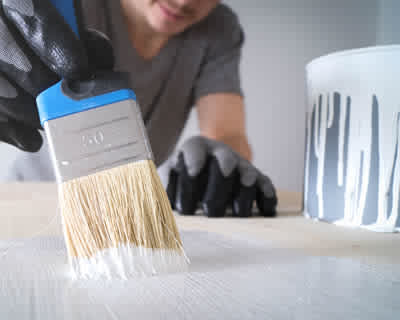
✓ Painting. Firstly, you’ll have to sand your primed windows to make an even, smooth surface and apply an undercoat evenly to the surface. Once completed, you can then apply at least 2 coats of paint using a quality brush. Make sure you sand the first layer carefully before you apply the second to get a great finish.
✓ Once dried, you can the finish with a top coat (make sure you go for a weather proof paint for the exterior). For the window sills, you’ll have to apply the exterior paint gently with masking tape around the edges to protect the walls from the dripping paint.