


Plastering in Newtown

Request Plastering Prices in Newtown

Home > Plastering & Ceilings Projects > Plastering > Newtown

Plasterers in Newtown

Seeking plasterers within Newtown? Our plastering businesses in Newtown will be able to provide you the ideal quotes for having plastering completed in your house.

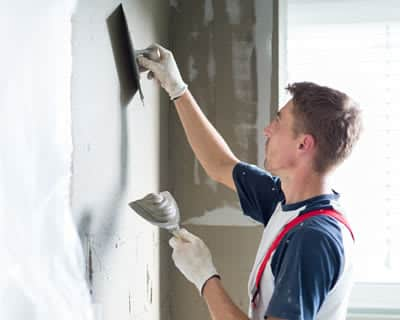
Plastering a wall or ceiling is an extremely effective way of modifying the appearance to make certain a smooth and attractive finish. When the plaster has dried out, the wall can be painted, wallpapered or tiled easily.

One of the major benefits to plastering walls is the simplicity of decoration afterwards. Commonly after getting rid of older wallpaper, the surface beneath might be rough and uneven. Just painting or wallpapering over this can have a undesirable visual effect.

We can supply you with up to 4 plastering companies in the area, who will provide quotes for the work you wish done. You'll receive a home visit from professionals in Newtown who'll finish the plastering for a great price.

Plastering in your own home will take an hour or two to a couple days. It'll all depend on how big and how many rooms you are planning to plaster. Have a smooth finish to your interior walls with respected plasterers to get the best prices today.

Average Plastering cost in Newtown

The regular cost of Plastering is £750. Costs fluctuate based on the materials and the firm hired. The upper price range can be as high as £862.5. The material costs are typically about £187.5

Average price per Plastering job in 2026

Avg. price low

Avg. price low
£563

Avg. price

Avg. price
£750

Avg. price high

Avg. price high
£863

£1000

£750

£500

£250

£0

Prices based on actual Plastering costs for Newtown, as reported by local LeadsDoWork members.

Plastering installation cost in Newtown 2026

Labour cost £525
Material cost £188
Waste removal £38
Time frame: 1-3 days
Advertisement

Plastering on Google in Newtown

Google searches that showed Local Quotes, 25 August to 22 November 2026

958

Searches that showed one of our pages for Newtown, all services

Source: Google Search Console, the number of times our pages appeared in Google search results. It counts searches that showed the page, not quote requests.

Plastering searches near Newtown, 25 August to 22 November 2026

2

Searches that showed our page for Llanymynech

Newtown

Newtown is the largest town in the county of Powys, Wales. It had a permanent resident population of 12783 in 2001, dropping to 11357 at the 2011 census. Newtown is about 8 miles (13 km) from the Wales-England border, in the narrow valley of the river Severn which restricts development north and south of the town. Newtown is surrounded by small villages regularly referenced as the Newtown area. The town grew most substantially in the 18th and 19th centuries around the textile and flannel industry, which was additionally promoted by the conclusion of the Montgomeryshire Canal. In 1838, the town saw Wales' very first Chartist demonstration. The town was designated as a 'brand-new town' in 1967. It has seen a significant population growth as companies and people have settled, changing the rural market town character. Lying on the River Severn, within the historical perimeters of Montgomeryshire, the town is best recognised as the birth place of Robert Owen in 1771. His previous house stood on what is now the site of the HSBC Bank. The Robert Owen Museum is over the road, filling the ground floor of the council offices. Built by Sir Pryce Pryce-Jones, the Pryce Jones Royal Welsh Warehouse is still the tallest structure in Newtown. The 2 towering structures housed the world's very first mail order service depot. Bear Lanes, the town's principal shopping centre, has a Tudor-style entry. The structure was at one time a hotel, The Bear, which adds to the centre's appearance today. Newtown is also the home of Theatr Hafren and of Oriel Davies, a leading public gallery, which features national and worldwide modern art and craft. Newtown hosted the National Eisteddfod in 1965. For all your home developments, make certain to find trustworthy experts in Newtown to make certain of quality.

Looking for Plastering in Newtown?

Get free quotes from local plasterers

Get free quotes
Advertisement

Local & reliable plasterers near me

Tell us about your plastering project

Answer a few quick questions, so we can match you with local plasterers who can help.

Find up to 4 plasterers in Newtown

Get free, no-obligation local plastering quotes from 4 verified plasterers working in Newtown.

Hire with confidence

Compare customer reviews, services and prices, and choose the right tradesperson for you.

Our reviews

Average

It's always difficult finding a tra ...

It's always difficult finding a tradesman that comes recommended so having a recommendation service solves this problem

good service

good service

this is the first time I have used ...

this is the first time I have used this service and found it easy and cost effective

FAQs

what is plaster made of?

What Is Plaster Made Of?

Plaster is one of the most commonly used materials when it comes to building construction. It’s a crucial component that’s incorporated in coating walls, ceilings as well as partitions and it hardens on drying. Plastering is one of the most ancient building materials which has taken over mud to plaster reed or sapling huts so as to serve as a protection against the elements. Here, we’re going to take a look at the multiple compositions of plaster. These components are very important due to the fact that they form a protective coating on whatever they are used on. They work to protect surfaces such as ceiling and underlying walls from scratches or any form of damage.

Plaster comprises a few materials which includes gypsum, lime or cement and all operates in a similar way. Gypsum is made of calcium sulfate dihydrate and it’s the main component of main forms of plaster, sidewalk chalk, blackboard, drywall and more. Meanwhile, lime plaster is made up of sand, water and lime ( mostly non hydraulic hydrated lime). And lastly, cement which is a mix of suitable plaster, portland cement, sand as well as water.

The plaster is usually produced as a dry powder which is mixed thoroughly with water to create a stiff but also a paste that’s workable immediately before it’s applied to the wall or ceiling.

It’s quite easy to confuse a drywall with a plaster but there are some differences. Not only is plaster a much older style of wall construction than dry wall, but it’s also a lot more expensive than installing a drywall. Plaster walls are also able to provide you with a more durable finish when compared to a drywall and it makes for a better quality finish.
how to plaster a ceiling?

How To Plaster A Ceiling

Generally, plastering is a very tricky and time consuming job which usually require lots of efforts and practice to get right - with that in mind it gets even a lot trickier when it comes to ceiling plastering.

However, when you’re able to acquire the right know-how as well as tools, ceiling plastering can be completed by any confident DIYer enthusiast without the need to call in a professional. However, if you lack the needed confidence to pull off this task, then we’d recommend you get in touch with a trustworthy professional who can guarantee the best results for help. In this guide, we’ll take you through the ceiling plastering process.

You’ll need the following materials to get started: plaster, mixing bucket and paddle, plasterer’s float, plasterer’s towel, bucket trowel, protective gear, bucket of clean water and wide brush.

✓ Prepare the area. When it comes to plastering a ceiling it’s almost unavoidable to leave a mess around and no matter how you do it, your plaster will drop on the floor. Therefore you have put drop sheets on the floor, cover the furniture and put thing you don’t want to get dirty out of the way.

✓ Prepare the ceiling to be plastered. Sand down the uneven patches on the ceiling. Once done, wash the ceiling with a sponge and warm soapy water while also removing all cobwebs as well. Leave the surface to dry once completed.

✓ Mix the plaster or buy a premix plaster. To mix the plaster, simply use equal parts of plaster and water for mixing the plaster,

✓ Plaster the ceiling. Apply a little quantity of plaster to the edge of your trowel and try to spread it in rows to do the job without much hassle. Ensure that the thickness of the coat is thin and even throughout the application. The rough edge of the trowel should be used for the spreading as it’ll help you create scrapes or scratches in the plaster.

✓ Sand the surface

how much does plastering cost?

How Much Does Plastering Cost?

If your existing interior or exterior plaster is starting to show signs of needing to be refreshed or the painting never seems to last, then it’s probably time to have your plaster renewed to breathe in a new lease of life to your decorating efforts.

So if you’re giving wall plastering a thought, there’s a need to have a rough estimate of the cost a professional is likely to charge so you can set a budget and start planning. However a direct answer can not be provided for this question as there are so many factors that a professional will put into considering before coming up with a quote that’s unique to your specific requirements.

A lot of plasterers will come up with a quote for the job using the number of square metres of wall space that’s going to be covered. This is due to the number of plasterboards as well as the other materials that the plasterer will need to purchase, how long the work will take and also the labour that’ll be involved in completing the project.

Another popular influencing factor that several plasterers use is the size of the room to be plastered. This is the main reason why you’re more likely to find the prices in small, medium as well as large rooms. Therefore, in order to have a more accurate estimate of the cost of your plastering project, you’d have to call in a qualified professional to have a look at the job at hand. Generally, to re-plaster a small room will cost within the range of £350 to £550, a medium room will cost within the range of £400 to £600 and a large room, between £550 to £700.

What types of plastering are there?

There are several different kinds of plastering. ‘Dot and dab’ refers to a base layer of plasterboard which is attached to a wall using ‘dabs’ of adhesive. ‘Floating’ is a technique where a backing or undercoat plaster is applied to walls. ‘Skimming’ or ‘reskimming’ refers to the very thin final decorative layer of plaster.

Plastering

Other Top Projects in Newtown

Are you a plasterer in Newtown?

We can help you get more plastering work with our qualified job leads and boost your business.

Join today