29 Aug
Gutter replacement
Alness - IV17
Enquiry from: Ian B
Start Date: 1 to 3 months

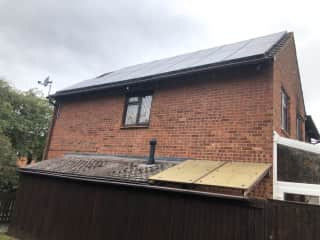
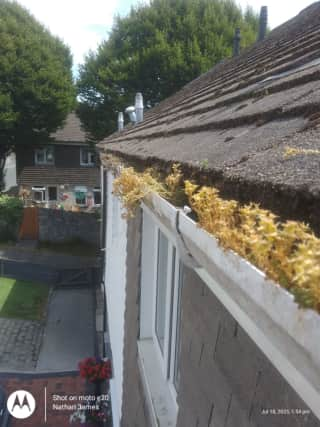
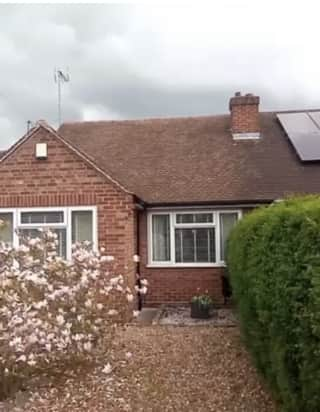
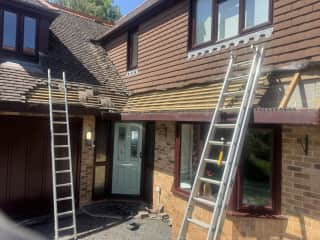
New guttering that was fitted and its far too long & is pushing out the gable end clips
Material: upvc · Property: terrace · When: 1-3 months



Guttering is a crucial facet of the roofing of your property. It offers visual benefits as well as making sure rainwater that runs off your roof is adequately channeled away from the edge of the building and down into drains. The key to selecting the most appropriate guttering for your house is understanding the needs of your pre-existing roof. For example, steeper or more substantial roofs will require guttering capable of channeling a larger flow of water. It may be tempting to simply replace like for like, but an experienced guttering company will be able to survey your property to understand your needs, and advise you on the best guttering for your roof. Guttering is available in a variety of types and materials. For materials, PVC is the most popular. PVC guttering is very affordable while still being resilient. It's available in a variety of colours and styles. However, guttering is also produced from metal, typically either steel, aluminium or cast iron. While these materials are normally higher in price than PVC, they also last longer and are well suited to period properties as they have a more traditionally designed appearance. Different moulds of guttering will also impact the flow of the water. Half round and square guttering are widespread and suit many properties, while deep flow or ogee guttering are suitable for use on properties that need increased water flow. Ogee guttering also has a distinctive mould which has a striking appearance. Guttering is also available in a variety of colorings, from traditional white or black to brown and grey. In addition, some PVC guttering can be purchased in a cast iron effect.
In the UK, a typical job costs about £630, with prices from around £200 for small jobs to £1,000 for bigger ones. Too few tradespeople covering Tain have set their prices yet, so these figures are for the UK.
| Avg. price low | Avg. price low |
|---|---|
| Avg. price | Avg. price |
| Avg. price high | Avg. price high |
£1100
£825
£550
£275
£0
Searches that showed one of our pages for Tain, all services
Tain is an imperial burgh and parish in the Area of Ross, in the Highlands of Scotland. The name derives from the nearby River Tain, the name of which originates from an Indo-European root meaning 'circulation'. The Gaelic name, Baile Dubhthaich, implies 'Duthac's community', after a local saint additionally called Duthus. Tain was approved its first royal charter in 1066, making it Scotland's earliest royal burgh, honored in 1966 with the opening of the Rose Garden by Queen Elizabeth, the Queen Mother. The 1066 charter, provided by King Malcolm III, validated Tain as a sanctuary, where individuals might declare the protection of the church, and also a resistance, in which citizen merchants as well as investors were exempt from particular tax obligations. These caused the growth of the town. Little is known of earlier background although the town owed much of its value to Duthac. He was an early Christian figure, possibly 8th or 9th century, whose shrine had become so vital by 1066 that it caused the royal charter. The spoiled church near the mouth of the river was claimed to have been built on the site of his birth. Duthac became a main saint in 1419 and by the late Middle Ages his temple was a vital places of expedition in Scotland. King James IV came with the very least once a year throughout his reign to attain both spiritual and also political aims. A leading landowning household of the area, the Clan Munro, supplied political and religious numbers to the community, consisting of the skeptic Rev John Munro of Tain (died ca. 1630). The early Duthac Chapel was the centre of a sanctuary. Fugitives were by tradition given sanctuary in several square miles noted by limit rocks. During the First War of Scottish Independence, Robert the Bruce sent his partner and also little girl to the haven for safety and security. The sanctuary was violated and also they were caught forcibly faithful to William II, Earl of Ross that handed them over to Edward I of England The ladies were taken to England as well as maintained detainee for a number of years.
Alness - IV17
Enquiry from: Ian B
Start Date: 1 to 3 months
New guttering that was fitted and its far too long & is pushing out the gable end clips
Material: upvc · Property: terrace · When: 1-3 months
Answer a few quick questions, so we can match you with local gutter installers who can help.
Get free, no-obligation local gutter replacement quotes from 4 verified gutter installers working in Tain.
Compare customer reviews, services and prices, and choose the right tradesperson for you.


Happy in Lewisham I was contacted by a number of builders via the service. The builder I choose was the first to arrive and he gave me a written quote. He was polite and reasonable. I liked the fact t ...
Repair to downpipe I posted the job, replacing a down pipe from our bungalow back roof draining into a water butt with a downpipe draining into the main drains and received 3 contacts same day. The fi ...
Makes it easy to get quotes Really easy to place a listing for quotes and we were contacted by firms within the hour and had our issue fixed the very next morning. It was so simple to do.
A gutter is part of the system that takes rainwater away from a building. Every home will have some form of guttering system to stop water from dripping off the roof and into the walls. It’s important to keep your gutters clear because if water starts to seep into your home’s walls, you’re likely to get damp.
A guttering system consists of half pipes, troughs, bends and downpipes. They’re usually cylindrical in shape but they may be square on some homes and in countries outside of the UK. Technically, the gutter is the part that you’ll see across your roof that collects rainwater. The water will then feed into a downpipe from your roof’s edge to the base of your home, where you can collect it in something like a water butt, or it will be discharged to a surface water drain or soakaway.
In early times, gutters used to be made from lined wood or stone. Lead was often used as the liner to stop rainwater from seeping through the material, but you won’t see it used much anymore. These days, most homes have uPVC guttering as it’s a hardwearing plastic that should last a long time. But you’ll also see gutters made from aluminium, cast iron and copper, especially on period homes or those in a conservation area.
Every home needs a guttering system to ensure that rainwater doesn’t affect the foundations of the property. It’s also important to keep the gutters clear of debris like fallen leaves, as this will cause them to overflow, potentially causing water to soak into the walls and causing damp.
If you live in an average home with an average amount of guttering and you’re used to a bit of DIY, it’s relatively easy to replace gutters. But if you have a home that’s more than two-storey or you have guttering that’s more complicated, it’s best left to the professionals.
Lots of homes these days have uPVC guttering. uPVC is a hard-wearing plastic that will last a long time without much maintenance except your usual gutter clearing. It’s relatively light, so lots of people think it’s easy to replace uPVC gutters. If you live in a bungalow, you may be able to just use a ladder to take down your old guttering and replace it with new uPVC gutters, but if you live in a two-storey home it can be a bit more complicated. If you do attempt to replace your gutters yourself, make sure you’ve got a sturdy ladder that will comfortably reach the right height, and never rest it on the fascia or the guttering itself.
If you have cast iron or copper guttering, this is much heavier and bulkier than uPVC. Certainly don’t try to replace these on your own – make sure you have another competent DIYer to help you. Reputable roofline specialists will use scaffold towers to make it easier to handle heavy gutters and they will always work in pairs on this type of guttering, so make sure you have the right tools and equipment to work with.
Just because it’s easy to replace gutters, it doesn’t mean you should. It’s better to ask a reliable roofline company to help you, since they have the skills to fit guttering properly and have experience with working at height.
You don’t always need scaffolding to replace guttering. If your home is a bungalow, the tradespeople might only need a ladder to replace your guttering. It’s when your home is two storeys or more that scaffolding is more necessary.
You might not need full scaffolding for a simple two-storey home. Guttering specialists use scaffold towers, which are the platforms you see underneath the scaffolding, where the installation is relatively straightforward. You might need scaffolding to replace guttering when there are obstructions to towers being used – for example, if you have a conservatory or the ground is very uneven. It's more likely that specialist roofline companies will use scaffold towers when necessary. Sole traders that replace guttering as part of their services may be comfortable using sturdy ladders.
There’s no legal requirement to say that you must have scaffolding when fitting guttering, but it is a good idea when working on homes rather than bungalows. If you’re unsure whether you need full scaffolding for your gutter replacement project, get a few quotes from reputable businesses of different sizes. If you’ve been quoted by one company that you need full scaffolding whereas everyone else says that only towers are needed, it’s likely that the job is perfectly safe to carry out with just towers.
We can help you get more gutter replacement work with our qualified job leads and boost your business.
Join today