
08 Sep
Pitched Roof Repair
Llanwrda - SA19
Enquiry from: Susan M
Start Date: Immediate
Repointing of one chimney


Over 48 reviews & an average rating of 4.9/5 stars, you'll find the right pro
Use the shortlist button to select up to 4 tradespeople, enter your project details and press send
Get up to 4 quotes from local Roofers near you
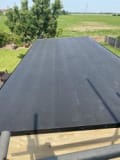





Llanwrda - SA19
Enquiry from: Susan M
Start Date: Immediate
Repointing of one chimney
Llanwrda - SA19
Enquiry from: Maurice H
Start Date: Immediate
Submit your free quote for rated tradespeople
Llanwrda - SA19
Enquiry from: Jeannette H
Start Date: Immediate
Water leaking from skylight window in bathroom
Llandovery - SA20
Enquiry from: Daniel E
Start Date: Immediate
Submit your free quote for rated tradespeople
Llanwrda - SA19
Enquiry from: David S
Start Date: Immediate
3 ridge tiles on barn roof plus 4-5/slates. Materials available here on site
How much do Roofers cost? Costs for Roofers in 2026 can be very different depending on the kind of work that you want to have actually performed in your residence. It's the question we get asked a great deal "how much do Roofers charge?". It's often very good to have an idea of how much a Roofer are going to likely charge for their assistance. Prices will most likely fluctuate based on the materials and also the tradesman picked. The table shows the kinds of task that Roofers generally do as well as the standard cost series of these tasks. Some projects take longer to complete than others so costs do fluctuate by task.
View our Roofer cost guide View our Roofer advice| Roofer job | Roofer cost in 2026 |
|---|---|
| Velux windows in Llandovery | £675-£1,035 |
| Tile or slate roofing in Llandovery | £4,250-£9,450 |
| Flat roof in Llandovery | £1,938-£4,438 |
| Commercial roofing in Llandovery | £3,750-£5,750 |
| Flat roof repair in Llandovery | £850-£2,150 |
| Gutter cleaning in Llandovery | £138-£358 |
| Tile roof repairs in Llandovery | £269-£1,259 |
| Chimney sweeping in Llandovery | £75-£115 |
| Roof cleaning in Llandovery | £990-£2,110 |
| Sun Tunnel in Llandovery | £700-£1,000 |
How To Replace Flat Roof Felt
Also referred to as tar paper, roofing felt is installed underneath the roof’s shingles to help deny water access to your home. Installing the roofing felt in overlapping layers builds a water barrier in situations whereby the weather damages or blows away the shingles. Although the application of a roofing felt on a flat roof is relatively easier and safer than working on a peaked roof, it’s advisable to take enough care and precautions. If you lack proper training and experience for this task, we’d recommend you employ a reliable professional to guarantee the best results and save you from further headaches especially in cases whereby unfortunate errors are made. This step by step guide will give you a good insight into the flat roof felt replacement process.
• Take a measurement of the width and length of the roof.
• Calculate the square footage by multiplying the numbers.
• Multiply the square footage gotten by three (it’s advisable to install three layers of roofing felt to create a really strong weather barrier).
• Use a claw hammer to remove the existing roofing felt.
• Use utility knife to cut the new felt to fit the length of the roof.
• Place the first piece along the roof’s edge and use a hammer tacker to tack the felt in place with staples or galvanized nails and hammer.
• Put the staples or nails at every 6 inches along the side touching the roof’s edge as well as down the short sides.
• Repeat the same process for the second piece, laying it out beside the first row of felt.
• Cut a piece of felt to the appropriate length using a utility knife to begin the second layer of roofing felt, and cutting it in half, lengthwise.
• Apply construction adhesive along the first row using a trowel.
• Press the first piece for the second layer onto the adhesive. Repeat this process until the roof is covered with a second layer
• Apply construction adhesive over the second layer to install the third layer. Begin with a full piece of felt without cutting it in half.
• Overlap each piece by 2 inches until you’ve completely installed the third layer.
Most Sun Tunnel Kits are available in sizes from 250mm Diameter to 550mm Diameter. This gives you a good range to choose from depending on the size of the room you are trying to brighten.
How long it takes to fix a roofing sheet on a commercial property will depend on the size of your roof and how difficult access is. Corrugated iron roofing sheets are much easier to fit than other roofing materials such as clay tiles or EDPM rubber, so that will work in your favour.
The size of the team of the roofing company you engage will also make a difference. If they have a lot of tradespeople working on your roof with lots of experience, it will take less time, while if there are only a couple of people it will take longer.
Another thing to bear in mind when considering how long it will take to fix a roofing sheet is the weather. If it starts to rain, the contractors will probably have to stop and wait, as the roof will be too slippery to work on.
In general, it should take between 1 and 3 days to fit roofing sheets on a commercial property. If you’re not having a full roof replacement, it may only take one day, whereas a completely new metal roof could take up to 3 days.
How To Replace Flat Roof Fascia
Whatever makes you decide to install your flat roof fascia by yourself and not a professional company, then you must have a clear idea of what to do and do it appropriately. If you lack proper training and experience, we’d recommend you employ a reliable professional to help with the task for the best results and save you some time and money. This step-by-step guide will give a clear insight on how to go about the replacement of your flat roof fascia.
The tools to be incorporated includes the fascia boards, table saw, plane, crimper, clamps, power nailer, compound saw and chalkline.
• Prepare and get all the necessary tools to complete the task before commencing as this would save you time from stopping and going back and forth looking for the next tool needed,
• Install the sheathing and board.
• Fix white fascias with at least 600mm centres ( a foiled fascia needs just 40mm centre) using a marine grade stainless steel plastic headed nails.
• Make a space of up to 10mm between the joints for possible building expansion, using super glue to secure the joints to just a side of the fascia.
• Place this directly on the fascia board’s top (if you’ll be installing ventilation) to create an air pathway.
• Take note that the type of roof to be installed will determine how you’ll have to install the fascia board. For instance, a hip roof permits you to attach the fascia board onto the roof in a quick fashion, whereas a gabled roof may need you to make markings on the board to achieve the right fit.
• Consider the depth of the fascia board as it also play a huge role in the installation of the fascia board. For instance, there’ll be additional weights on tiled roofs that will push up against the board. Therefore, if you do not get the appropriate amount of depth, it could eventually collapse.
In general, no – you don’t need planning permission for a Velux window. The Planning Portal says that you don’t need to apply for planning permission to install a roof window if the following conditions are met:
You don’t need to apply for planning permission for a roof window because they are covered under permitted development rights. However, if you’re a leaseholder or you live in a building where your local authority has made an Article 4 Direction, you will have to apply. Usually, an Article 4 Direction is made when you live in a conservation area where any external home improvements could affect the character and look of the area. Luckily, there are special Velux windows that are designed to be more likely to be accepted by your local planning authority. They’re called conservation windows and, although there’s still no guarantee that they will be accepted, they are designed to look more traditional. Even if you don’t need planning permission for your roof window, you still need to follow any relevant building regulations for your local authority. The most important parts for Velux windows are section J and section L of building regulations, which refer to energy efficiency, thermal insulation and fire protection.
How To Repair Roof Leak
Asphalt shingles are the most popular roofing material options for most UK homes in recent times. Thanks to them, roof repair is now all about identifying the leak and sealing it the right way. If you’re a competent DIYer and confident enough to pull this off, then this should be done within a short period of time and saving you money as well. However, if you don’t have the confidence to pull this off, then calling on a professional roofer who can guarantee the best results will be your best bet. In this article, we’ll consider four simple steps you can take to repair an asphalt shingles roof.
✓ Locate the spot of the roof leak. Roof leaks are mostly made evident by water stains on the ceiling. Simply note the spot of this water stain, grab a good pair of binoculars, then go outside to identify the location of the roof leak. Search the area for any curls, cracks, missing shingles or anything that looks odd. Leaks can also occur at any spot where caulking and flashing have been affected or compromised.
✓ Secure curled shingles. To do this, simply brush on a generous amount of asphalt roofing cement to the underside of the shingle and press firmly to set.
✓ Replace damaged or missing shingles. In the event whereby the shingles are cracked, rotten or missing, your best bet would be to have them replaced. Simply remove the damaged shingle then slide in the new one under the one above and align it with those on either side. Once done, you can then secure it with 6d galvanized roofing nails at each corner. After completion, make sure you cover the nail heads with roof cements.
✓ Fix flashing. To do this, simply reseal joints with the help of a caulk gun loaded with roofing cement.
How Much Is It To Replace A Garage Roof?
The size of your garage will be the main determinant of the cost of a new garage roof. However, the present condition of your roof structure as well as the type of roof covering preferred are also huge factors. In the UK, the cost of a garage roof replacement will be within the range of £700 to £3600.
The first step a pro will take is to remove the existing roofing while also making sure that the timber structure is in a good condition. In the event whereby the timber is rotten, it will need to be replaced before the installation of a new roof. If the garage roof sheets needs a replacement, you’ll have to spend about £30 to £50 per each garage roof sheets. Individual plywood sheet has around 2.4m x 1.2m in measurement and whose price should also be included in the final cost.
The above information applies only to standard roofing for garage roofs with flat roofs being made of bitumen felt and asphalt. In recent times, this is no longer the case with several more options available. Today, EPDM and GRP fibreglass have rapidly become very popular amongst several homeowners in the country. It’s also important to note that modern roofing has greatly advanced over the years even though both EPDM garage roofs and GRP fibreglass garage roofs are way better and of more quality when compared to felt and asphalt roofs. And thanks to modern technology, modern garage roofing possesses a longer life expectancy and as result, are a lot costlier than the conventional ones.
For a medium size single garage (2.7m x 5.5m), the cost for a felt roof per square metre is between £40 to £70, while that of a fiberglass roof and an EPDM rubber roof is between £90 to £110 and £70 to £100 respectively.
Commercial roofing simply refers to any roofing work, including installation and repair, that is done to commercial buildings. This might include office roofs, shop roofs or commercial unit roofs. Every building needs a roof to keep out the rain!
Since looks aren’t usually the first priority with commercial buildings, lots of commercial properties have flat roofs. These are often made from felt, EDPM rubber or fibreglass. Felt is the cheapest commercial roofing material, while fibreglass tends to be the most expensive. In felt roofs, roofers use an adhesive to stick roofing felt onto a frame. EDPM rubber roofs have a rubber membrane that is laid down and glued onto the roof and coated with a contact adhesive, while fibreglass uses a cut glass fibre mat that is pressed on before a resin and topcoat are applied.
Not all roofing companies will offer commercial roofing services, because generally the buildings tend to be bigger. Small companies won’t have enough tradespeople to work on a roof without making it very expensive for you. Commercial buildings also tend to need more scaffolding to make it safe for the professionals to work, so some smaller roofing companies won’t offer commercial services. Make sure you check a company’s website or social media if you’re looking for commercial roofing – on the Quotatis Directory, our roofers will show whether they do commercial roofing to make your search easier.
Answer a few quick questions to help us match you with the right Roofer
Receive no-obligation quotes from 4 Roofers working in Llandovery.
Compare prices, customer reviews and services, and hire the right Roofer.
View our open Roofer jobs near you
Join today

