13 Oct
Pitched Roof Repair
Chepstow - NP16
Enquiry from: Keith D
Start Date: Immediate
Lead flashing needs re-fixing


Over 243 reviews & an average rating of 4.4/5 stars, you'll find the right pro
Use the shortlist button to select up to 4 tradespeople, enter your project details and press send
Get up to 4 quotes from local Roofers near you




Chepstow - NP16
Enquiry from: Keith D
Start Date: Immediate
Lead flashing needs re-fixing
Dymock, Newent - GL18
Enquiry from: Julia T
Start Date: Immediate
I need cleaning/clearing of my gutters please and also i have two joints that need replacing as they leak quite badly. thank you
Bristol - BS35
Enquiry from: Roger M
Start Date: Immediate


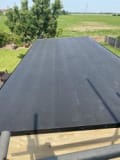
Repair to a fibre glass flat roof
Coleford - GL16
Enquiry from: Jackie O
Start Date: Immediate
Leaking chimney. Need roof repairs
Monmouth - NP25
Enquiry from: Hugh E
Start Date: Immediate
Water leaking into small bedroom by chimneystack which has caused leaks in the past
Coleford - GL16
Enquiry from: Jackie O
Start Date: Immediate
Submit your free quote for rated tradespeople
Bristol - BS35
Enquiry from: Wing L
Start Date: Immediate
Clean roof of moss on one side of tge house
Cinderford, Newnham, Westbury-on-Severn - GL14
Enquiry from: Timothy J
Start Date: Immediate
Investigate cause of damp in walls below 2 chimneys. and to cure the problem
Ross-on-Wye - HR9
Enquiry from: Bruce H
Start Date: Immediate
Submit your free quote for rated tradespeople
Ross-on-Wye - HR9
Enquiry from: Ian L
Start Date: Immediate
Replace old cement board roof on detached garage. It’s approximately 6.2m long by 4.5 m wide. Might be asbestos but we have not tested it
Dymock, Newent - GL18
Enquiry from: Rob S
Start Date: Immediate
Gutters blocked on small detached house - 2 storey
Monmouth - NP25
Enquiry from: Simon B
Start Date: 1 to 3 months
50no roof trusses that create attic space of c 5m at 2.1m or greater. span 8.5m with overhanging eaves
Chepstow - NP16
Enquiry from: Ross J
Start Date: Immediate
Service of 4 velux windows that no longer open by remote control
Coleford - GL16
Enquiry from: Liz B
Start Date: Immediate
I will be moving into a terraced property on Thursday which has a bathroom int he middle of the house. Hence, I would like a quote for a velux window for light and air. The bathroom is quite small
Coleford - GL16
Enquiry from: Roy S
Start Date: Immediate
Dormer roof 8x1 metres rubber
Coleford - GL16
Enquiry from: Jackie O
Start Date: Immediate
Quotes for flat roof to be re roofed
Coleford - GL16
Enquiry from: Anthony L
Start Date: Immediate
Submit your free quote for rated tradespeople
Coleford - GL16
Enquiry from: Stephen C
Start Date: Immediate
Polycarbonate roof leaking from previous hail storm damage. would be looking to repair or replace with alternative materials
How much do Roofers cost? Costs for Roofers in 2026 can be very different depending on the kind of work that you want to have actually performed in your residence. It's the question we get asked a great deal "how much do Roofers charge?". It's often very good to have an idea of how much a Roofer are going to likely charge for their assistance. Prices will most likely fluctuate based on the materials and also the tradesman picked. The table shows the kinds of task that Roofers generally do as well as the standard cost series of these tasks. Some projects take longer to complete than others so costs do fluctuate by task.
View our Roofer cost guide View our Roofer advice| Roofer job | Roofer cost in 2026 |
|---|---|
| Velux windows in Coleford | £809-£1,312 |
| Tile or slate roofing in Coleford | £4,500-£6,634 |
| Flat roof in Coleford | £1,688-£2,688 |
| Commercial roofing in Coleford | £2,750-£4,584 |
| Flat roof repair in Coleford | £950-£1,450 |
| Gutter cleaning in Coleford | £238-£308 |
| Tile roof repairs in Coleford | £369-£659 |
| Chimney sweeping in Coleford | £438-£558 |
| Roof cleaning in Coleford | £794-£1,340 |
| Sun Tunnel in Coleford | £1,100-£1,750 |
Do You Need Felt Under Roof Tiles?
Before now, roofing felt were mainly incorporated to serve as a temporary waterproof roof on a building which would later on be changed for the permanent solid tiles or slate roof. This is due to the fact that rebuilding a roof can be time consuming taking a few number of days, the roofing felt would be used to protect the structure as well as the property it contains by acting as a barrier between the house and the harsh elements such as rain, wind, snow, sleet and more, while also providing minimal insulation until the structure is complete.
However those are in the olden days, in recent times, roofing felt ( also referred to as breathable roofing membrane or breathable felt) is now being used to create a safe and waterproof roof which is long lasting and will protect your house, properties as well as other outbuildings for a long period of time while also complying with the Building Regulations. So to answer the question - yes, you’re going to need felt under roof tiles as it has been made mandatory by building regulations.
Now let’s take a look at the different functions served by felt.
✓ You’ll need felt under roof tiles to prevent the roof space from being exposed.
✓ Roofing felt protects homes where a roof has not yet been installed to serve as a temporary protective layer against the elements.
✓ Roofing felt is particularly crucial for modern homes which are constructed to be more energy efficient and work to hold warm air from escaping the house. This is great to reduce your heating bills while also keeping both you and your loved ones cosy all throughout the year.
✓ Overall, building regulations imply that an underlay underneath the slate or tiles is now a compulsory requirement.
Will My Roof Leak With Missing Ridge Tiles?
Your roof is the first line of defence against the elements. Therefore, if you want your home protected at all times, there’s a need to ensure a professional inspection of your home at least once a year. However, there are certain issues that you do not have to wait for a professional to be able to spot by yourself. And an example of this includes a missing ridge tile. This issue is noticeable from the ground level while some tiles may even fall off and notifying you in the process. If you’re currently facing this kind of challenge, you’d probably want to know if the missing ridge tiles can cause your roof to leak. In this article, we aim to answer this question and more. Let’s take a look!
Firstly, there are a number of causes of missing tiles or slates and the most obvious is the weather. When the wind or rain gets very high, it can pull your tiles out of place and even more more, if they weren’t properly installed in the first place. Secondly, there’s also a chance that the nails may wear away. These are the nails that holds your ridge tiles in place, they can rust and wear away, hence leading to missing ridge tiles.
Therefore, the short answer to the question is yes, missing ridge tiles can cause your roof to leak. Even if it doesn’t leave a visible gap in your roof’s covering, it’ll create a break in the roof which weather can easily penetrate. And allowing this to happen makes the other tiles more susceptible to damage which won’t be good for the entire house as well as your pocket. Hence, once you notice a missing ridge tile ensure to have it replaced as soon as possible.
Tar and gravel flat roofs are popular because the gravel weighs down the surface of the roof so it doesn’t blow away and it also protects it from sun damage. The tar makes the roof watertight, so you won’t get any leaks. However, sometimes problems occur and you’ll get cracks and leaks. So how do you repair a tar and gravel flat roof?
If you notice leaking coming through your flat roof, try to find the source of the leak. Since water can travel easily, it might not be where you think it is. The first place to check is the flashing, then any parts of the roof with gravel missing. Once you’ve found the crack, sweep away any remaining gravel and clean the area.
Apply a primer to the area and allow it to dry. Then, apply a tar and gravel roof patch that you can get from most DIY shops. Patch 2-3 inches around the damaged area, creating layers, and ensuring that there aren’t any air bubbles or gaps. Then you should cover the entire patch with gravel.
Before you try to repair a tar and gravel flat roof yourself, consider how much of the roof needs repairing. Professionals often say that if cracks and faults make up 25% or more of the roof, then you should look to replace it. It might be tempting to try and replace your tar and gravel roof yourself, but it’s best left to the specialists. They will ensure that your new roof is watertight and strong enough to withstand sun damage and storms.
How To Clean A Roof?
If you’re planning to clean your roof, but don’t know where to start, you’ve come to the right place! There are different types of roofs available in the market today and the method used in cleaning one can be largely different from the other. As a result, we’re only going to look at one of the common types of roofs you’ll find in the UK - the Asphalt shingle roof tiles. This roof type is very common and for a good reason. Not only are they visually appealing but they’re also hugely versatile by design which enables them to be adaptable to varying shapes, angles as well as forms depending on your preference or needs. With all the benefits that can be derived from asphalt shingle, they however, need to be properly maintained to help retain their good looks.
To clean your asphalt shingles, you’ll most likely require some type of chemicals especially when dealing with algae stains and some other visual problems. Therefore, make sure you purchase a product marked safe to be used on this type of roof and not those only proven to remove moss and algae stains. Mix the chemical cleaner with a gallon of water and a quart of bleach or as instructed by the manufacturer. Pour the mixture inside a pump-style garden sprayer and mix thoroughly. When done, climb up on the roof and spray as good as you can. Upon completion of spraying the roof with the mixture, then allow to work its magic for some time - about 15 minutes or thereabout should be good.
After that, you can make use of a garden hose to spray down the roof and wash down the mixture entirely. If some stains remain, use a brush to gently wipe the tiles individually.
How Often Do Flat Roofs Need Replacing?
When a flat roof needs to be replaced is determined by a number of factors which includes the roof’s exposure to the weather, the condition and age of the roofing materials as well as the construction of the roof. However, with proper maintenance and regular inspection, they should be used for nothing less than 50 years. There are some commonly used types of flat roofs which includes Felt flat roof as well as a GRP flat roof.
Felt Flat Roof
The lifespan of a felt flat roof also varies depending on the quality and grade of the felt roof incorporated. This can make the roof last within the range of 2 to 20 years. More often than not, felt flat roofs are usually installed in such a way to keep the costs down which implies the grades of felts that are mostly used are the economical ones implying a very short lifespan.
In the event whereby a premium grade of felt is incorporated in constructing a roof by professional contractors, will be guaranteed by the manufacturer to last between 10 to 20 years.
One of the major causes of a short lifespan in felts is leaks which should be regularly inspected and repaired once identified. If not, the roof will gradually deteriorate and become a lot weaker due to the action of the sun. However, when a felt roof starts to leak, it’s usually a sign that’s approaching the end of its lifespan and a replacement should be taken into account.
GRP Flat Roof
The GRP flat roof or fibreglass flat roof usually comes with a manufacturer’s guarantee of 20 years and is expected to have a lifespan of a minimum of an additional 10 years.
Unlike felt roofs, they’re more resistant to leaks. However, they should also be regularly inspected for leaks which are caused mostly as a result of installation error rather than the GRP roofing approaching the end of its useful life. If the GRP roof repair does not totally resolve the leak, you should start considering a replacement.
How To Clean Roof Lights
If you have existing roof lights or perhaps you’re about to have them installed, it’s important to know just how to have them cleaned, even if you wouldn’t be doing it yourself. Generally, glass roof lights fitted in flat roof applications are more likely to be a major victim of staining and discolouration by several elements like rainwater, bird droppings, vehicle exhaust pollutants as well as tree sap. Therefore, just like any other parts of your home, periodic inspection of the units as well as regular cleaning is highly advised to help maintain their top performance for a lengthy period of time.
Firstly, when installing the roof lights, it’ll be helpful if its fitted at the right pitch so as to help keep the exterior clean as it enables the elements such as rainwater to run off the surface naturally. Cleaning roof lights involves working at height which can be very dangerous. Therefore, if you lack the skill and confidence to pull this off, it’s advisable to hire the services of a professional who can guarantee the best results for help. In this article, we aim to give you a good insight into how the roof light cleaning process works. Let’s have a look!
Rooflight Interior Cleaning
✓ Spread plastic under the roof light to catch dirt and spills
✓ Dust to wipe clear all loose dirt and cobwebs.
✓ Use a squeegee with a warm soapy water or any other glass cleaning product to clean the glass ( steer clear of any harsh chemicals or abrasive cleaners)
✓ Dry the roof light with a soft and lint-free cloth.
Rooflight Exterior Cleaning
✓ Access the roof safely with a specialist ladder
✓ Put mild detergent into a bucket and carry up to the roof before filling with warm water from a hosepipe
✓ Use the soapy water and a non-abrasive cloth or squeegee to clean the roof light, its surroundings as well as fixings.
There are a few reasons why commercial buildings often have flat roofs. Lots of people argue that flat roofs aren’t as attractive as pitched roofs, which is why it’s uncommon to see a residential property with an entirely flat roof. Lots of commercial buildings don’t need to look attractive, so go for flat roofs because they’re cheaper.
Flat roofs tend to be less expensive than pitched roofs, especially for large, broad commercial buildings. Some commercial buildings simply couldn’t have a pitched roof because their width would mean that the roof would have to be extremely high. Flat roofs are also cost-effective for commercial buildings because it means that air conditioning and ventilation units can go on the roof, saving space in and around the building.
Commercial buildings also often have flat roofs because they don’t need the loft space that residential properties need. If there’s no need for the space, it doesn’t make sense to spend more money on a pitched roof just to keep the attic space empty. Flat roofs also give the commercial building owner the opportunity to use the space as a smoking area for employees or give access to fire escapes to upper floors.
If you’re having a commercial property build, make sure you speak to the experts about the type of roof that is suitable for you. If you’re planning on having air conditioning or ventilation systems installed within the property, you might be best off with a flat roof – but if you need some extra storage space, a pitched roof might work best for you.
An eave is the edge of a roof, which is why they are now and then called roof eaves. On a household's outside, eaves can stick out outside the side of the building, serving both ornamental and applied purposes. The eave of a house has come to mean the lower area of the roof that projects after the external covering, as opposite to a cornice, which is part of the entablature in Classical architecture.
Think of how a roof outspreads outside the covering, and then think about how a hard rain may roll down the roof and, on the ground, away from the structure. Centuries ago, the eavesdrop was that indentation line made around a structure when the rain fell off the edge of the roof onto the ground.
Types of Eaves
A roof can come to a conclusion in essentially three ways. A closed eave is the one which has very little or no overhang at all. An open eave has a visible overhang, projecting beyond the roof brackets. A boxed eave is surrounded with a soffit.
The Use of Eaves?
An eave can defend the siding and substance of a structure. A roof eave bulging beyond the sides permits snow and rain to fall from the roof away from the covering, to the ground. The more the "weather" gets thrown away from the household, the chances of you having a dry basement increases.
In cases of regions with a warmer climate, a large eave can help provide shade to the interior of the house. In rainy environments, the prolonged eaves of Asian architecture deliver shelter from the climate, as well as direction. In the 21st century, an eave may be an inconspicuous site for security cameras and light.
Answer a few quick questions to help us match you with the right Roofer
Receive no-obligation quotes from 4 Roofers working in Coleford.
Compare prices, customer reviews and services, and hire the right Roofer.
View our open Roofer jobs near you
Join today

