26 Oct
Pitched Roof Repair
Liverpool - L20
Enquiry from: Peter B
Start Date: Immediate
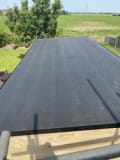
The porch is leaking. water is coming in a little


Over 353 reviews & an average rating of 4.6/5 stars, you'll find the right pro
Use the shortlist button to select up to 4 tradespeople, enter your project details and press send
Get up to 4 quotes from local Roofers near you






Liverpool - L20
Enquiry from: Peter B
Start Date: Immediate
The porch is leaking. water is coming in a little
Liverpool - L20
Enquiry from: Hing Y
Start Date: Immediate
After heavy raining yesterday, the water went into the house and no electricity
Liverpool - L20
Enquiry from: Milly K
Start Date: Immediate
Chimney repairs - bricks replaced
Liverpool - L20
Enquiry from: Ally F
Start Date: Immediate
Gutters cleaned on (address removed)
Liverpool - L20
Enquiry from: Paul D
Start Date: Immediate
Possibly the complete polypropylene roof replaced
Liverpool - L20
Enquiry from: Will F
Start Date: Immediate
Submit your free quote for rated tradespeople
Liverpool - L20
Enquiry from: Diane R
Start Date: Immediate
I need my kitchen extension roof re felted
Liverpool - L20
Enquiry from: Charles B
Start Date: 1 to 3 months
8 metres frontage ...one pitch only front and rear..end terrace..slates please
Bootle - L30
Enquiry from: Denis W
Start Date: Immediate
Suffering from roof leak into bathroom, quick repair required
Bootle - L30
Enquiry from: Sarah J
Start Date: Immediate
Full roof replacement of main roof and small flat floor on bay window
Bootle - L30
Enquiry from: Eileen S
Start Date: Immediate
Slates need replacing several places side & back of roof …please message only …with you’re quote & contact details…thankyou
How much do Roofers cost? Costs for Roofers in 2026 can be very different depending on the kind of work that you want to have actually performed in your residence. It's the question we get asked a great deal "how much do Roofers charge?". It's often very good to have an idea of how much a Roofer are going to likely charge for their assistance. Prices will most likely fluctuate based on the materials and also the tradesman picked. The table shows the kinds of task that Roofers generally do as well as the standard cost series of these tasks. Some projects take longer to complete than others so costs do fluctuate by task.
View our Roofer cost guide View our Roofer advice| Roofer job | Roofer cost in 2026 |
|---|---|
| Velux windows in Bootle | £488-£1,035 |
| Tile or slate roofing in Bootle | £3,715-£14,415 |
| Flat roof in Bootle | £1,871-£9,980 |
| Commercial roofing in Bootle | £2,325-£4,125 |
| Flat roof repair in Bootle | £867-£4,500 |
| Gutter cleaning in Bootle | £73-£133 |
| Tile roof repairs in Bootle | £684-£4,970 |
| Chimney sweeping in Bootle | £75-£115 |
| Roof cleaning in Bootle | £894-£2,574 |
| Sun Tunnel in Bootle | £500-£1,000 |
It’s relatively simple to remove a Velux window, whether it’s Velux-branded or is another brand of roof window. Here is a breakdown of the steps you’ll need to take to remove a roof window:
It’s that simple! You can do all of this from inside your home – there's no need to climb on the roof. Removing the glass pane from a Velux window, for example if it has blown, is a more difficult job and should be left to a professional. It involves removing the sash from the roof window frame and then removing the surrounding parts of the sash to lift out the sealed unit. They will then place the new glazed unit into the sash frame before securing all the parts back onto the sash and fitting it back into the roof window frame.
How To Replace Flat Roof Felt
Also referred to as tar paper, roofing felt is installed underneath the roof’s shingles to help deny water access to your home. Installing the roofing felt in overlapping layers builds a water barrier in situations whereby the weather damages or blows away the shingles. Although the application of a roofing felt on a flat roof is relatively easier and safer than working on a peaked roof, it’s advisable to take enough care and precautions. If you lack proper training and experience for this task, we’d recommend you employ a reliable professional to guarantee the best results and save you from further headaches especially in cases whereby unfortunate errors are made. This step by step guide will give you a good insight into the flat roof felt replacement process.
• Take a measurement of the width and length of the roof.
• Calculate the square footage by multiplying the numbers.
• Multiply the square footage gotten by three (it’s advisable to install three layers of roofing felt to create a really strong weather barrier).
• Use a claw hammer to remove the existing roofing felt.
• Use utility knife to cut the new felt to fit the length of the roof.
• Place the first piece along the roof’s edge and use a hammer tacker to tack the felt in place with staples or galvanized nails and hammer.
• Put the staples or nails at every 6 inches along the side touching the roof’s edge as well as down the short sides.
• Repeat the same process for the second piece, laying it out beside the first row of felt.
• Cut a piece of felt to the appropriate length using a utility knife to begin the second layer of roofing felt, and cutting it in half, lengthwise.
• Apply construction adhesive along the first row using a trowel.
• Press the first piece for the second layer onto the adhesive. Repeat this process until the roof is covered with a second layer
• Apply construction adhesive over the second layer to install the third layer. Begin with a full piece of felt without cutting it in half.
• Overlap each piece by 2 inches until you’ve completely installed the third layer.
How to repair your flat garage roof will depend on what it’s made from. Lots of flat garage roofs are made from EDPM rubber, asphalt or felt. We’ll explain how to carry out repairs on your garage roof here. EDPM rubber flat roof repair EDPM rubber is an excellent choice for a flat garage roof and should need little maintenance. But if you do need to repair it, there are a few easy fixes. If it’s a small crack or tear, apply some lap sealant to the area, but don’t use too much. If you go for a more professional repair later, the sealant will need to be scraped off, so if there’s too much it might cost you more in labour. If you need to repair the flashing, buy some malleable flashing tape so you can form it into the right shape. Clean and dry the area that needs repairing, then apply an EDPM primer. When that’s touch dry, stick the patch of flashing tape down from the centre outwards with a roller. Repairing an asphalt flat garage roof Asphalt is also very hard-wearing, and when it does need fixing, the fixes often last a long time. So if you do get cracks or blisters, you can use a paint-on fix from a tin as a temporary repair. When it’s time for a more permanent fix, you can add a small patch of torched-on roofing felt or use a liquid system, but the high-quality ones are often only available to trade customers. How to repair a felt flat garage roof Felt can be repaired in a similar way to asphalt flat garage roofs. For small cracks or a temporary fix, try a paint-on treatment from a tin. But for something more permanent, use a patch of torched-on roofing felt or a liquid system. If these don’t stick, unfortunately it means it’s time for a new felt garage roof. If you do need a new flat garage roof, leave it to the professionals who will ensure that your new roof will last for years.
How To Clean Roof Lights
If you have existing roof lights or perhaps you’re about to have them installed, it’s important to know just how to have them cleaned, even if you wouldn’t be doing it yourself. Generally, glass roof lights fitted in flat roof applications are more likely to be a major victim of staining and discolouration by several elements like rainwater, bird droppings, vehicle exhaust pollutants as well as tree sap. Therefore, just like any other parts of your home, periodic inspection of the units as well as regular cleaning is highly advised to help maintain their top performance for a lengthy period of time.
Firstly, when installing the roof lights, it’ll be helpful if its fitted at the right pitch so as to help keep the exterior clean as it enables the elements such as rainwater to run off the surface naturally. Cleaning roof lights involves working at height which can be very dangerous. Therefore, if you lack the skill and confidence to pull this off, it’s advisable to hire the services of a professional who can guarantee the best results for help. In this article, we aim to give you a good insight into how the roof light cleaning process works. Let’s have a look!
Rooflight Interior Cleaning
✓ Spread plastic under the roof light to catch dirt and spills
✓ Dust to wipe clear all loose dirt and cobwebs.
✓ Use a squeegee with a warm soapy water or any other glass cleaning product to clean the glass ( steer clear of any harsh chemicals or abrasive cleaners)
✓ Dry the roof light with a soft and lint-free cloth.
Rooflight Exterior Cleaning
✓ Access the roof safely with a specialist ladder
✓ Put mild detergent into a bucket and carry up to the roof before filling with warm water from a hosepipe
✓ Use the soapy water and a non-abrasive cloth or squeegee to clean the roof light, its surroundings as well as fixings.
An eave is the edge of a roof, which is why they are now and then called roof eaves. On a household's outside, eaves can stick out outside the side of the building, serving both ornamental and applied purposes. The eave of a house has come to mean the lower area of the roof that projects after the external covering, as opposite to a cornice, which is part of the entablature in Classical architecture.
Think of how a roof outspreads outside the covering, and then think about how a hard rain may roll down the roof and, on the ground, away from the structure. Centuries ago, the eavesdrop was that indentation line made around a structure when the rain fell off the edge of the roof onto the ground.
Types of Eaves
A roof can come to a conclusion in essentially three ways. A closed eave is the one which has very little or no overhang at all. An open eave has a visible overhang, projecting beyond the roof brackets. A boxed eave is surrounded with a soffit.
The Use of Eaves?
An eave can defend the siding and substance of a structure. A roof eave bulging beyond the sides permits snow and rain to fall from the roof away from the covering, to the ground. The more the "weather" gets thrown away from the household, the chances of you having a dry basement increases.
In cases of regions with a warmer climate, a large eave can help provide shade to the interior of the house. In rainy environments, the prolonged eaves of Asian architecture deliver shelter from the climate, as well as direction. In the 21st century, an eave may be an inconspicuous site for security cameras and light.
How To Replace A Flat Roof
Is it high time you replaced your flat roof with a new one? If it’s time, then you probably shouldn’t waste another minute! Flat roofs come with multiple upsides and happens to be a lot more affordable than many other options (especially for starters). Not only do they add to your home’s curb appeal and requires a relatively low labour costs as there are minimal risks involved, but they’re also more accessible for maintenance purposes and aren’t as exposed to damage as a pitched roof. However, we’re not here to discuss the various benefits of installing a flat roof, but rather tell you how to install one. If you lack proper training and experience, we’d recommend you hire a trustworthy professional that can guarantee the best results.
• Wipe the entire roof system clean.
• Detach and replace rotted roof sheathings.
• Detach and replace rotted fascia
• Hire a qualified air conditioning professional to disconnect the existing AC units.
• Introduce new aluminium air conditioning stands and secure against the deck.
• Let you qualified air conditioning professional reconnect the existing AC units.
• Put in place the new air conditioning quick disconnects.
• Attach EPS fanfold insulation in such a way to cover the surface of the entire roof and secure it firmly in place.
• Attach the tie-in roof materials where necessary.
• Attach roofing membrane to cover the entire area of the roofing.
• Attach membrane to the entire roof’s perimeter.
• Attach new perimeter flashings (fascia bar, fascia cap and drip edge), secured on the centre at 6. Make use of a good sealant to secure the fascia bar or fascia cap’s top flange.
• Attach boots on plumbing seal and stacks.
• Identify the existing vent stacks and seal, and put curbs
• Put safety walk pad network from the access point of the roof to the air conditioning units.
• Attach rooftop signs for roof traffic personnel
• Tidy up and clear out the debris
Whether you’re liable for a leaking roof in a commercial property will depend on your ownership status and any contracts. Of course, if you own a standalone commercial property, it would make it your responsibility to repair to leaking roof. But if you own an office within a building, you should check your paperwork to see whether you are responsible for some or all of a leaking roof.
If you’re a tenant in a commercial property, things get a bit more complicated. Lots of commercial leases are FRI, or Full Repairing and Insuring leases, which means that the tenant is responsible for all external and internal maintenance and insuring the building. It means that it’s vital that you read through your tenancy agreement in full before signing it and seek legal advice if you think you need it. If your lease is an FRI lease, you are liable for a leaking roof in your commercial property.
It’s important to ensure that you have a schedule of condition for the property, which will mean that you only have to restore the commercial property back to the condition that it was in when you took over. It’s also worth getting the roof inspected before you sign the lease, as if there is any damage before you sign the landlord may be responsible.
The best way to avoid having to pay for a leaking roof in a commercial property is prevention. If you are liable for repairs and maintenance, make sure you have the roof inspected regularly by a reputable company to avoid having to pay for costly repairs when disaster strikes.
How to repair a flat roof depends on the type of flat roof you have. We’ll talk about how to repair felt, asphalt, fibreglass and EDPM flat roofs yourself. But ultimately if you want the best finish, it’s best to ask a professional to repair your flat roof for you. Repairing a flat roof Whether you’ve got an old pour-and-roll type felt roof or a newer torch-on felt flat roof, you can get cracks, lifting around joints, leaks or dips. As a temporary measure, you can buy a special paint that you paint over cracks. For a more permanent repair, you can add a patch of torched-on felt or add a layer on top. Asphalt flat roof repair As your asphalt flat roof gets older, you may notice blisters, cracks or shrinkage and sagging around flashings. Again, you can use a paint on fix from a tin as a temporary repair, or add heat-applied flashing tape around flashing. For a more permanent fix you can use a liquid system, but many are only available to the trade market. You can also add a patch of torched-on roofing felt over a crack. How to repair a fibreglass (GRP) flat roof Fibreglass flat roofs are usually excellent, but problems can involve leaking flashing and cracks near upstands, trims or board joints. You can add acrylic sealant to cracks or holes for a good DIY repair, but a flashing problem is more difficult to fix. You’ll need to clean and sand the affected area of flashing, then laminate a 600g chopped strand mat into place, cure it and add a topcoat colour to match the roof. That sounds like a job better left to a specialist. EDPM rubber flat roof repair Rubber roofs often suffer from shrinkage when mechanical fixings haven’t been used near upstands, flashing leaks or holes or cuts. If you’ve got a small tear that you want to repair, you can add some lap sealant to the area – but use it sparingly. For a more permanent repair to flashing, buy some self-adhesive flashing that will mould into shape easily. Clean the area you want to repair, add EDPM primer, then stick the patch of flashing on from the centre outwards with a hard roller. You can add lap sealant around the edges if you want more protection from water.
Answer a few quick questions to help us match you with the right Roofer
Receive no-obligation quotes from 4 Roofers working in Bootle.
Compare prices, customer reviews and services, and hire the right Roofer.
View our open Roofer jobs near you
Join today

